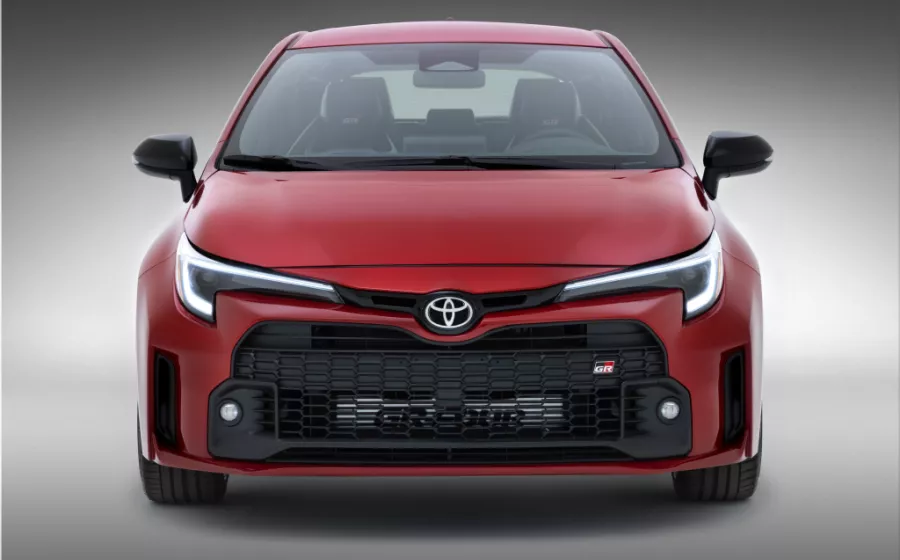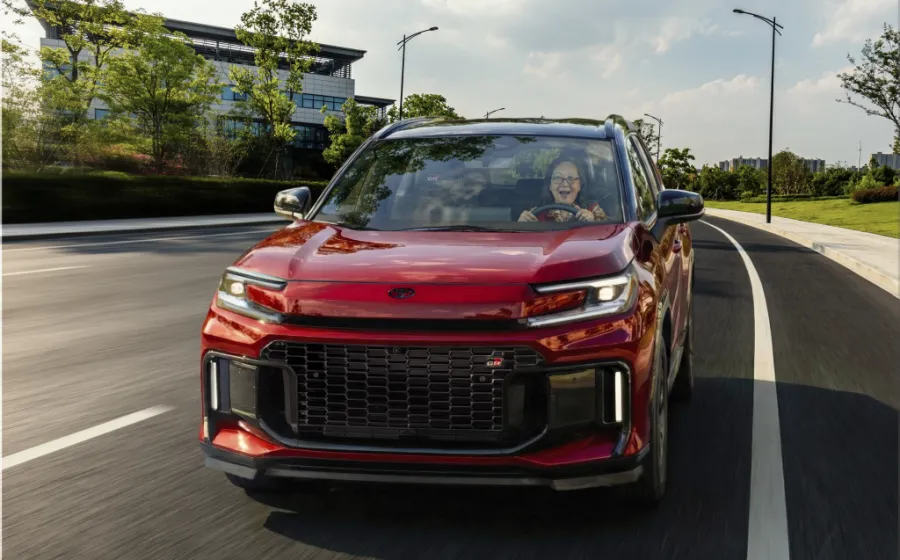
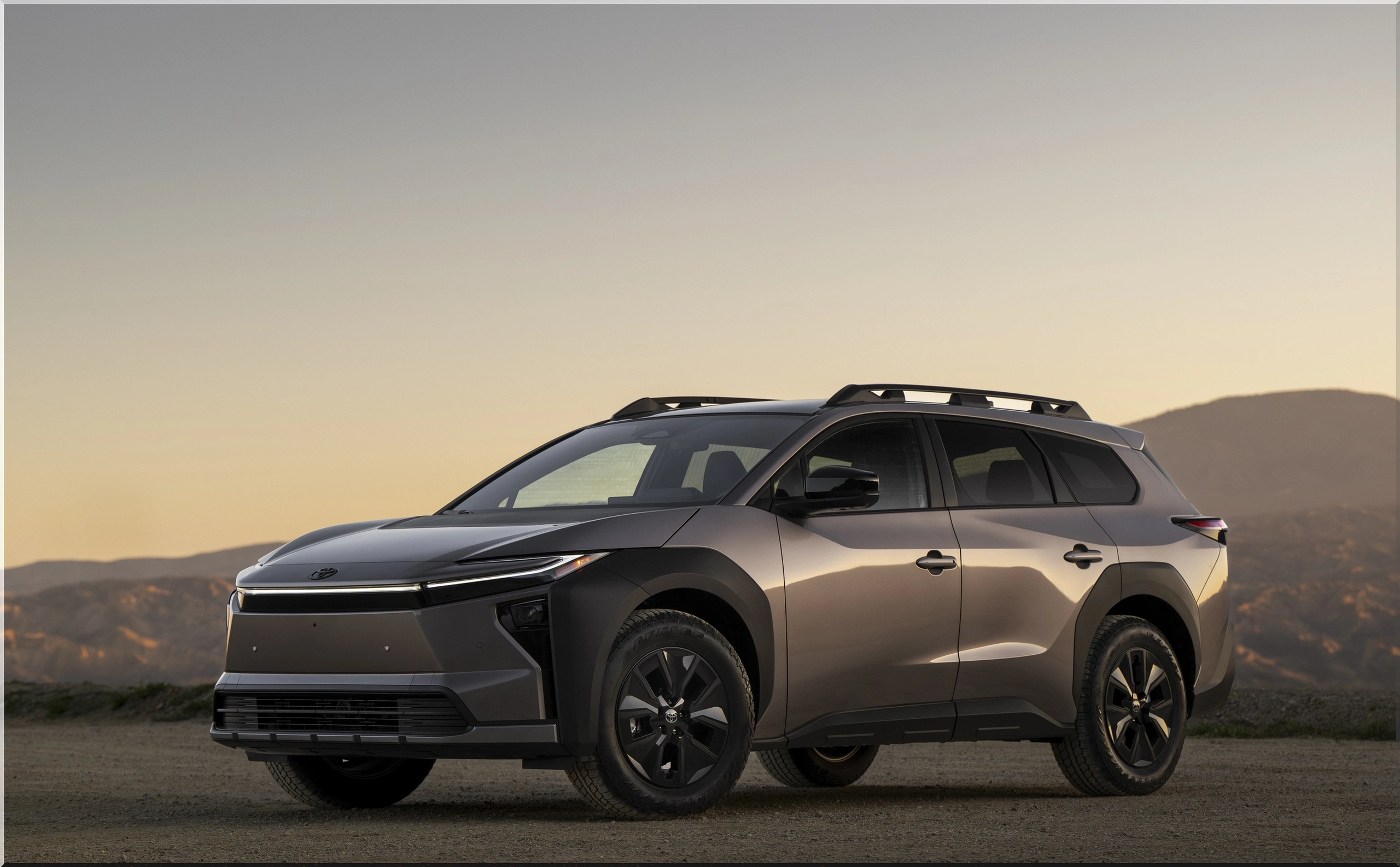
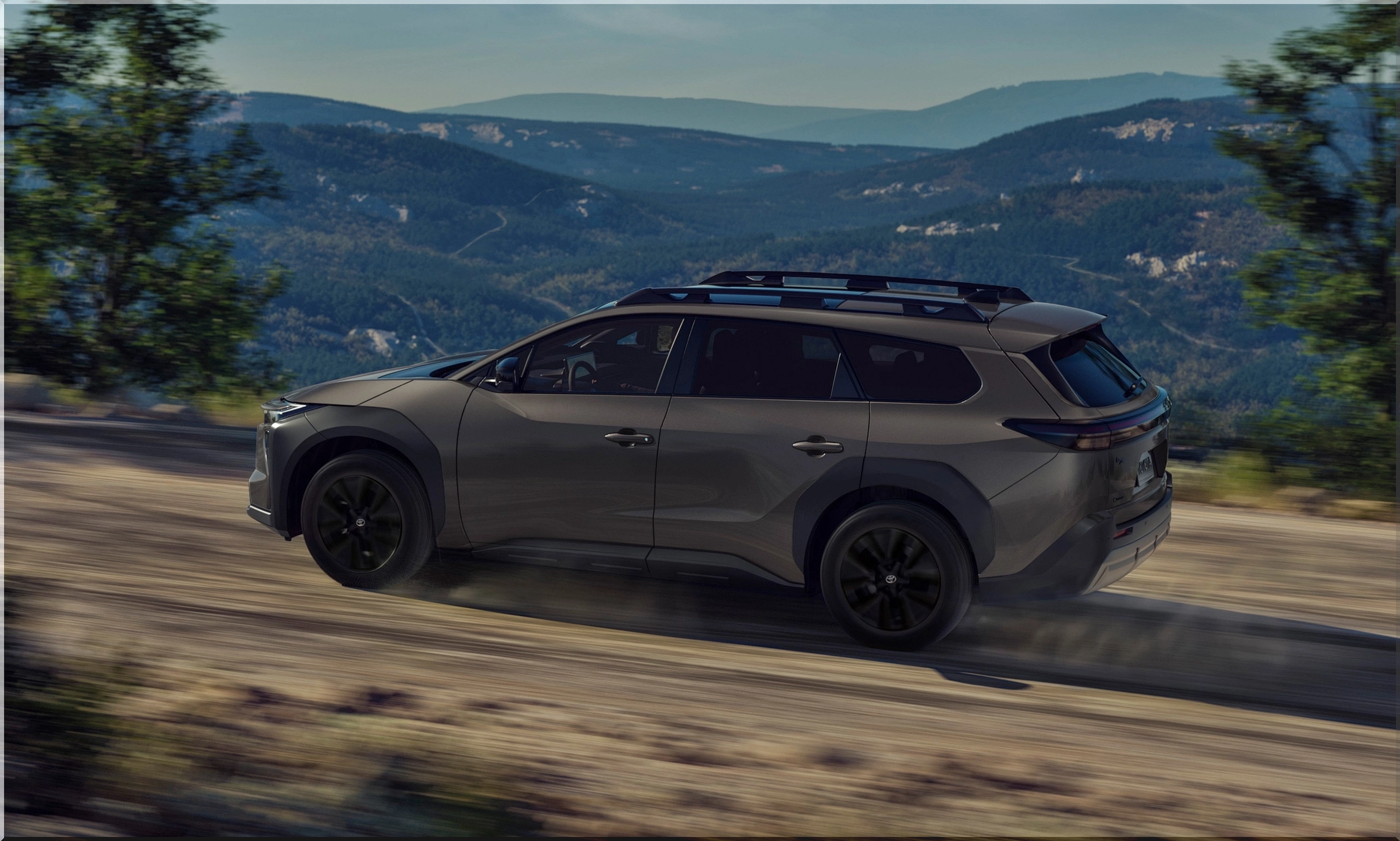
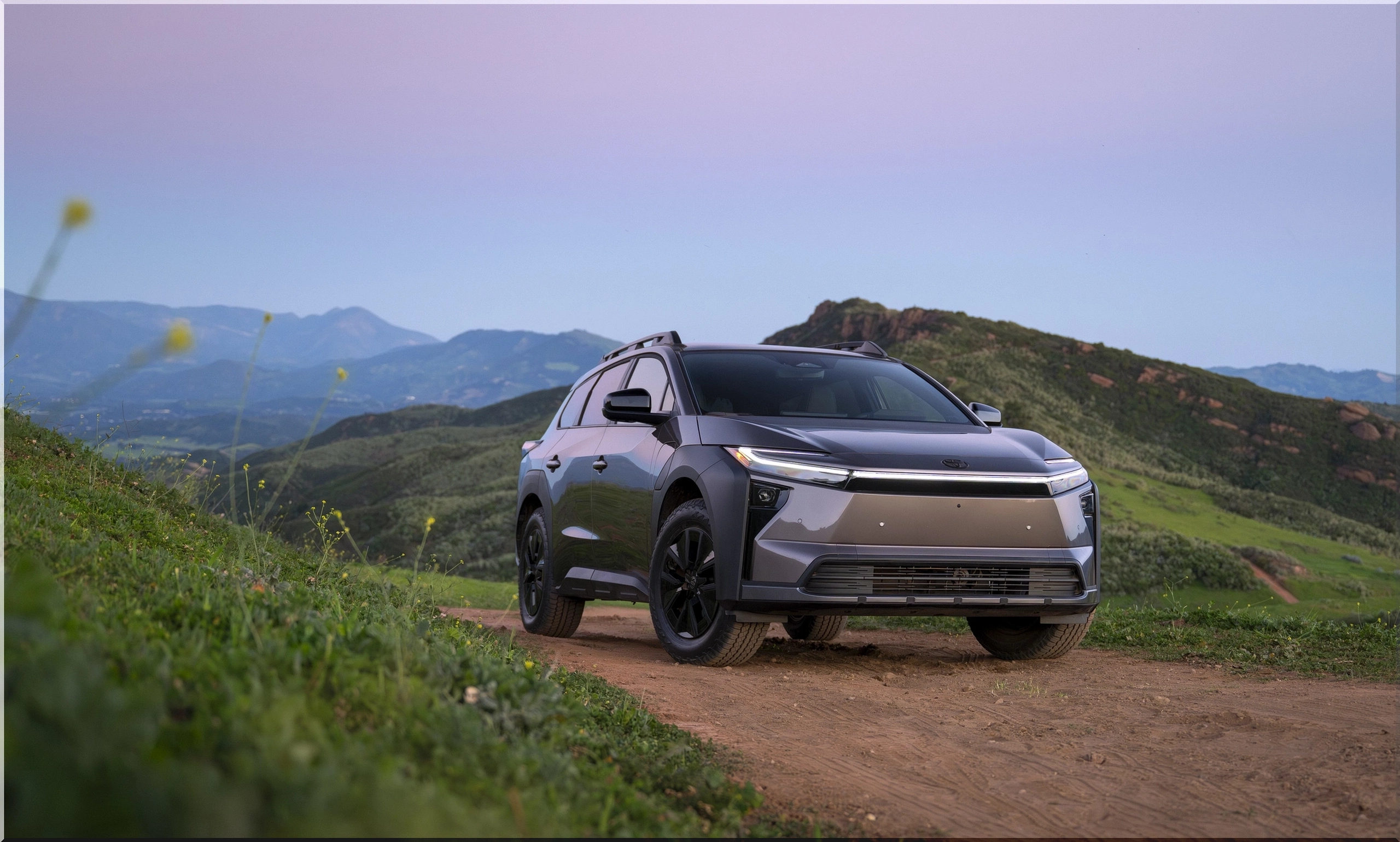
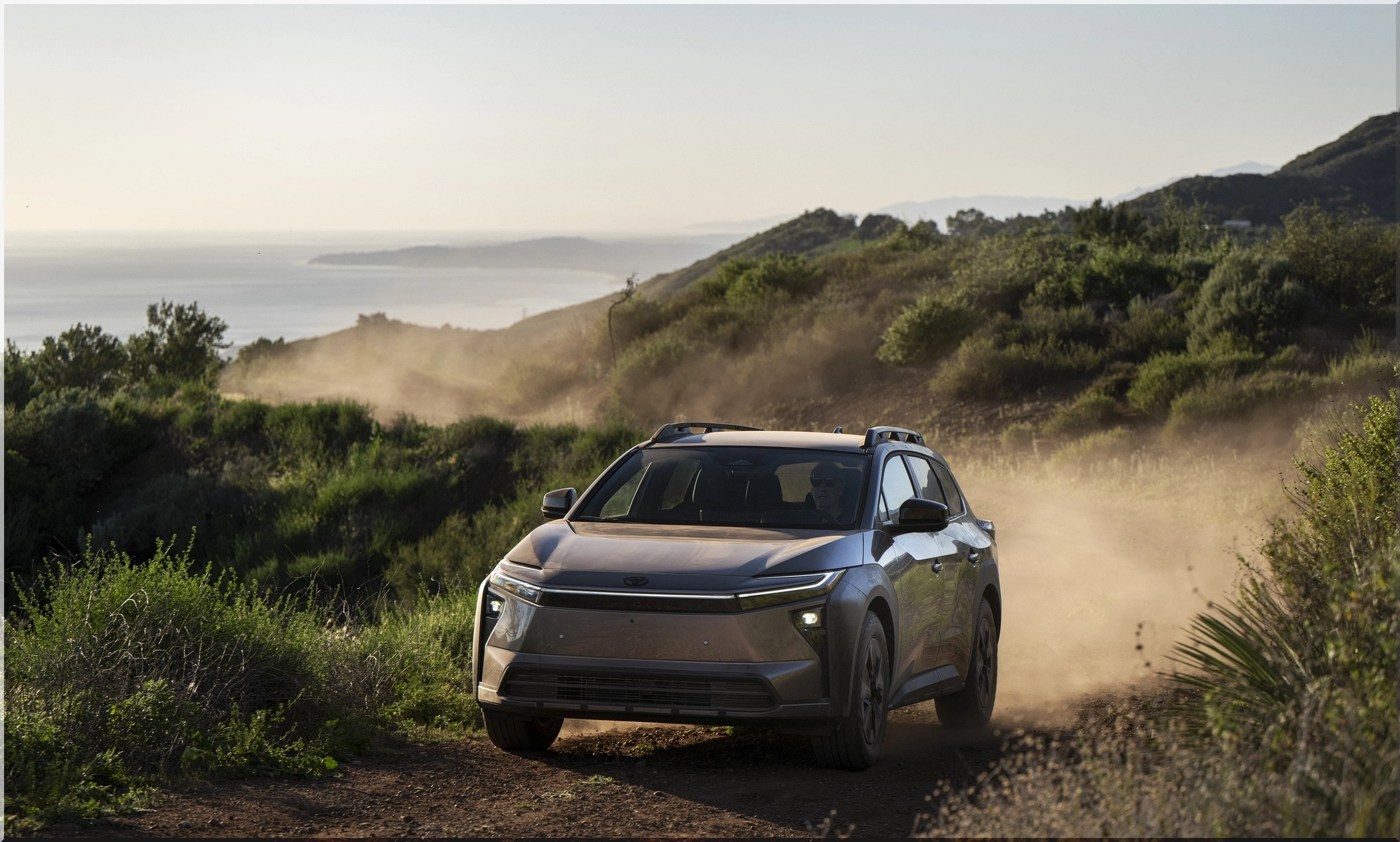
Toyota charges into the electric off-road segment with the 2027 Toyota bZ Woodland, an all-wheel-drive EV that pairs genuine trail capability with a 300-mile-plus range. The automaker builds this new model on the modular e-TNGA architecture, but the hardware diverges sharply from the pavement-focused bZ4X. A lifted suspension, underbody armor, and a dual-motor drivetrain that delivers 339 lb-ft of torque transform the bZ Woodland into a tool for reaching remote campsites without burning a drop of fuel. Starting at $45,000 for a well-equipped AWD configuration, Toyota aims to undercut luxury off-road EVs while delivering the durability that truck and SUV buyers expect.
Powertrain and Performance: Dual-Motor AWD Delivers Instant Torque
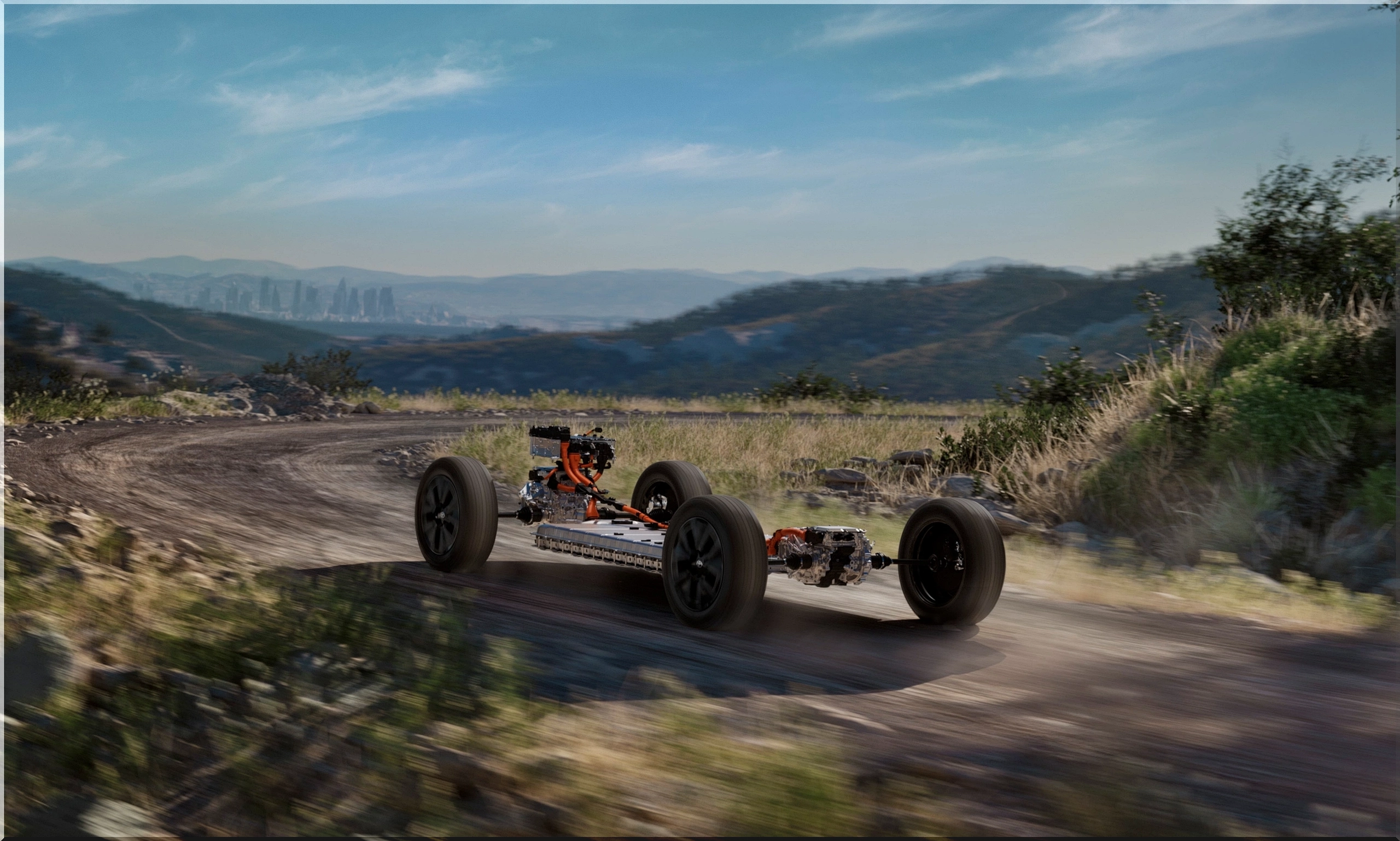
A dual-motor electric all-wheel-drive system sits at the core of the 2027 Toyota bZ Woodland’s capability. One permanent-magnet synchronous motor powers each axle, generating a combined 300 horsepower and 339 lb-ft of torque. That output reaches the ground through a direct-drive reduction gear, eliminating any lag from a conventional transmission. The zero-to-60-mph sprint takes an estimated 5.5 seconds, and the SUV pulls strongly through the midrange thanks to the immediate torque delivery that defines well-executed EVs.
Toyota engineered the bZ Woodland’s power electronics to prioritize low-speed control over outright dragstrip speed. The front and rear inverters modulate current with millisecond precision, enabling a crawl function that mimics a low-range transfer case. Drivers activate Toyota’s X-MODE with a dedicated console switch, which tailors throttle mapping, brake-based torque vectoring, and stability intervention for dirt, mud, deep snow, and sand. A driver-selectable Downhill Assist Control uses regenerative braking and friction brakes to hold a set speed on steep descents without the driver touching the pedal.
- Combined motor output: 300 hp / 339 lb-ft
- 0–60 mph: 5.5 seconds (manufacturer estimate)
- Electronically controlled AWD with independent front/rear motor modulation
- X-MODE with Multi-Terrain Select: Dirt, Mud, Deep Snow, Sand
- Downhill Assist Control and Crawl Control standard
From an expert perspective, the dual-motor layout eliminates the mechanical complexity of a center differential and transfer case, which reduces weight and long-term maintenance. The system continuously varies the torque split front to rear based on wheel slip data sampled every 50 milliseconds, adapting faster than any hydraulic coupling can react.
Battery and Range: 300+ Miles with Fast-Charging Capability
A 72.8-kWh lithium-ion battery pack supplies energy to the dual motors. The pack uses prismatic cells with a nickel-manganese-cobalt chemistry that Toyota has refined for thermal stability and long cycle life. The battery integrates into the e-TNGA platform as a structural element, lowering the center of gravity and contributing to the vehicle’s torsional rigidity.
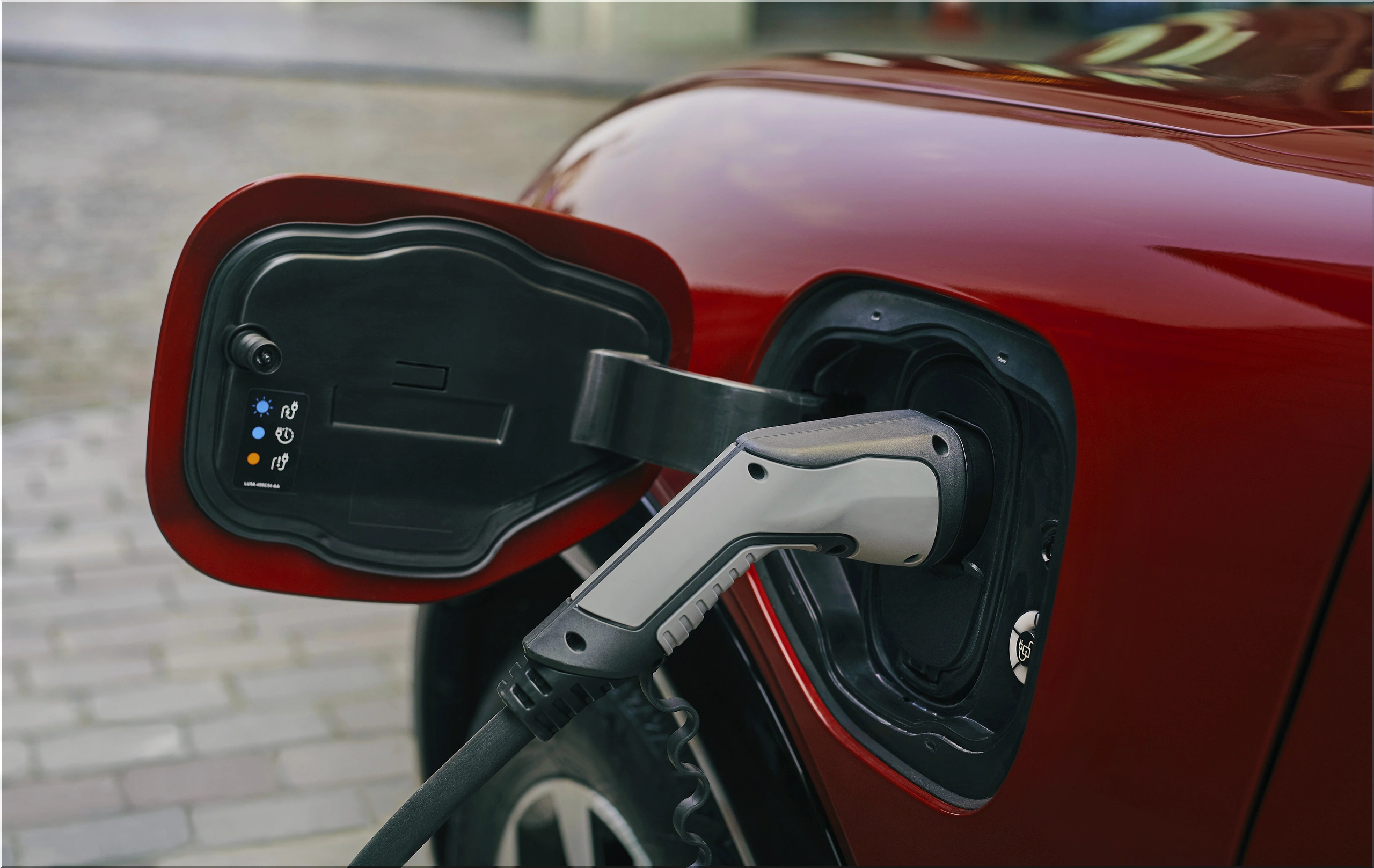
The EPA-rated range for the 2027 Toyota bZ Woodland lands at 304 miles on a single charge. In mixed city and highway driving, the vehicle’s efficiency averages 3.6 miles per kWh, a figure that benefits from careful aerodynamic shaping of the front fascia and underbody, despite the lifted stance and all-terrain tires. DC fast-charging capability peaks at 150 kW, allowing the battery to recover from 10 to 80 percent state of charge in 30 minutes under ideal conditions. A standard 6.6-kW onboard charger completes a full Level 2 recharge in roughly 12 hours, making overnight top-ups straightforward.
Battery and Charging Specifications
| Specification | Value |
|---|---|
| Battery Type | 72.8-kWh Lithium-Ion (NMC) |
| EPA Estimated Range | 304 miles |
| Efficiency | 3.6 miles/kWh |
| Peak DC Fast-Charging Power | 150 kW |
| 10–80% Charge Time (DC) | 30 minutes |
| Onboard Charger (Level 2) | 6.6 kW |
| Full Level 2 Charge Time | Approx. 12 hours |
Toyota includes a battery thermal management system that pre-conditions the pack when the navigation system targets a DC charger. The system heats or cools the battery to an optimal temperature window, preserving charging speed in cold-weather adventure conditions. A battery preservation mode limits maximum charge to 90 percent when the vehicle anticipates standing idle, reducing long-term degradation.
Off-Road Engineering: Ground Clearance, Approach Angles, and Chassis Reinforcement
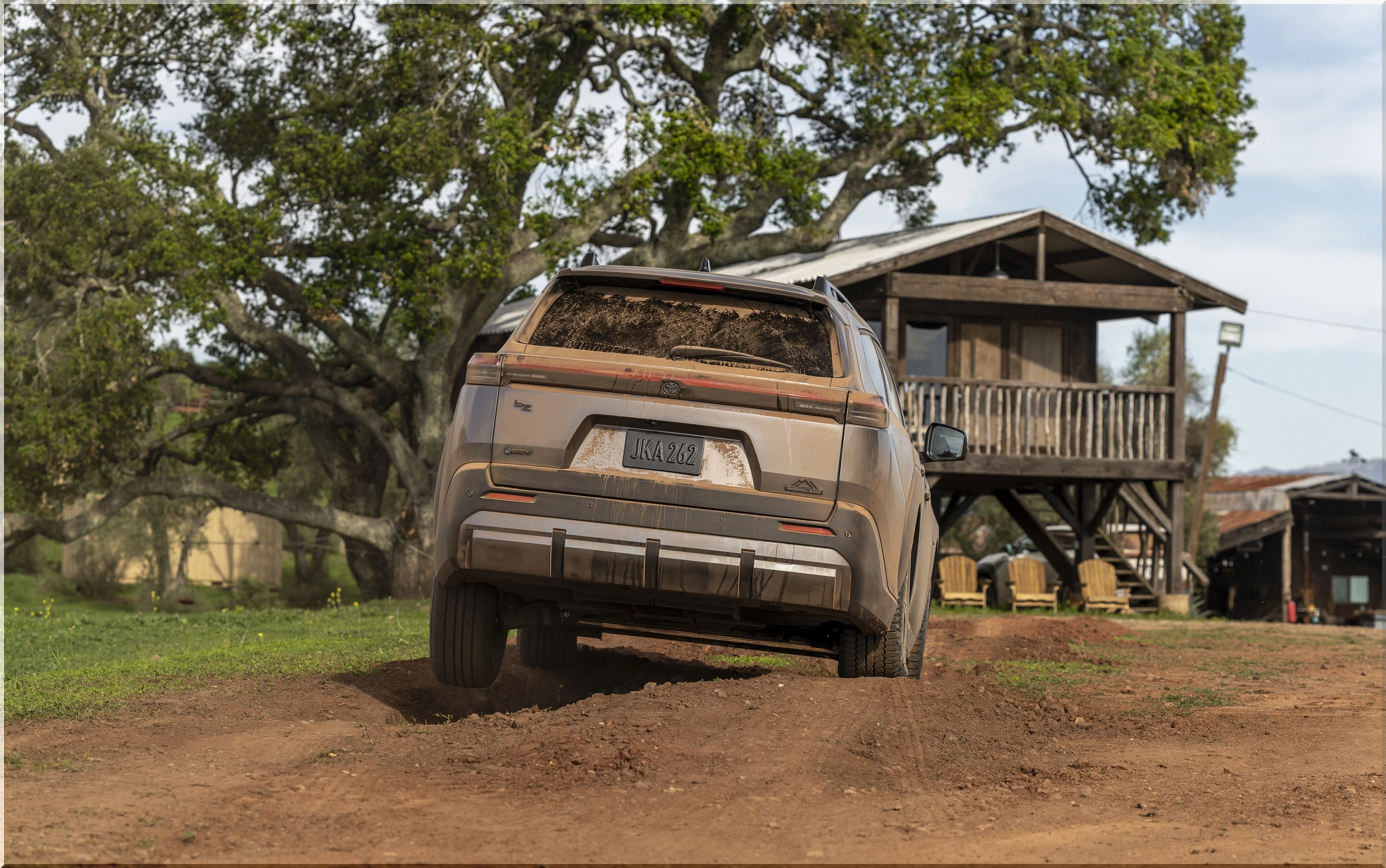
Toyota raised the suspension on the bZ Woodland to deliver 8.7 inches (221 mm) of ground clearance, providing critical clearance over rocks and ruts that would halt lower-riding crossovers. The front strut and rear multi-link suspension use longer springs and retuned dampers that prioritize wheel articulation without sacrificing on-road composure. Specific spring rates and jounce bumper tuning absorb the energy of a wheel dropping into a rut or hitting a rock ledge.
The SUV’s off-road geometry numbers reinforce its intent. The approach angle measures 25.5 degrees, the departure angle hits 29.8 degrees, and the breakover angle reaches 20.3 degrees. These figures place the bZ Woodland firmly above soft-roaders like the Subaru Solterra and closer to traditional body-on-frame SUVs.
- Ground clearance: 8.7 in (221 mm)
- Approach angle: 25.5 degrees
- Departure angle: 29.8 degrees
- Breakover angle: 20.3 degrees
A stamped steel front skid plate protects the battery’s cooling lines and the front motor housing. Additional armor covers the rear motor and the suspension mounting points. Toyota bonds the battery enclosure to the chassis and reinforces it with crossmembers that withstand impact loads from below, so the pack itself acts as a shield for the cabin.
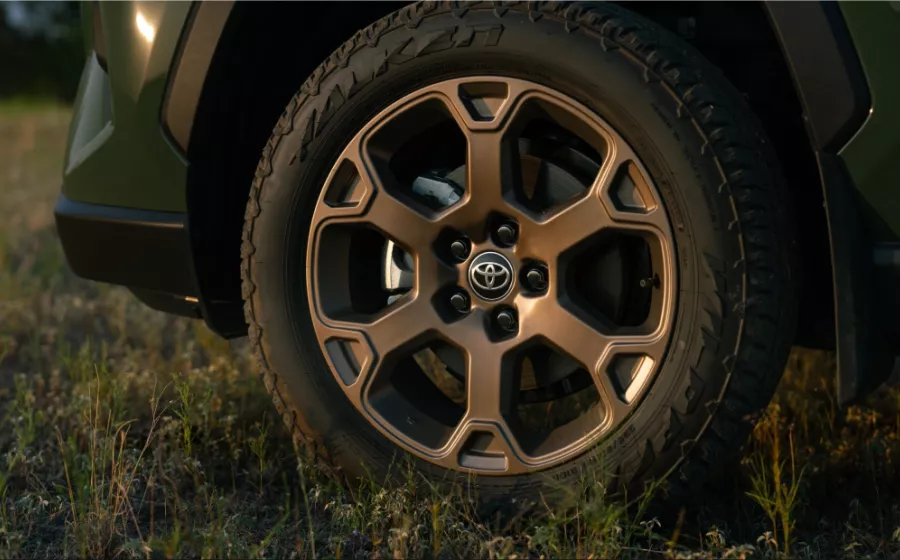
The 2027 Toyota bZ Woodland rides on 18-inch matte-black alloy wheels wrapped in 245/60R18 Falken Wildpeak A/T Trail tires, which were co-developed for this application. The tread compound maintains flexibility below freezing and the sidewall construction resists punctures on sharp gravel. Compared to the standard highway rubber on the bZ4X, these tires sacrifice approximately two percent of range but provide vastly more traction on loose surfaces.
Key Dimensions and Off-Road Capability
| Dimension | Measurement |
|---|---|
| Wheelbase | 112.2 in (2,850 mm) |
| Overall Length | 188.5 in (4,788 mm) |
| Width (without mirrors) | 74.2 in (1,885 mm) |
| Height | 68.5 in (1,740 mm) |
| Ground Clearance | 8.7 in (221 mm) |
| Curb Weight | 4,600 lbs (est.) |
| Max Towing Capacity | 3,500 lbs |
Exterior Design: Rugged Styling with Functional Upgrades
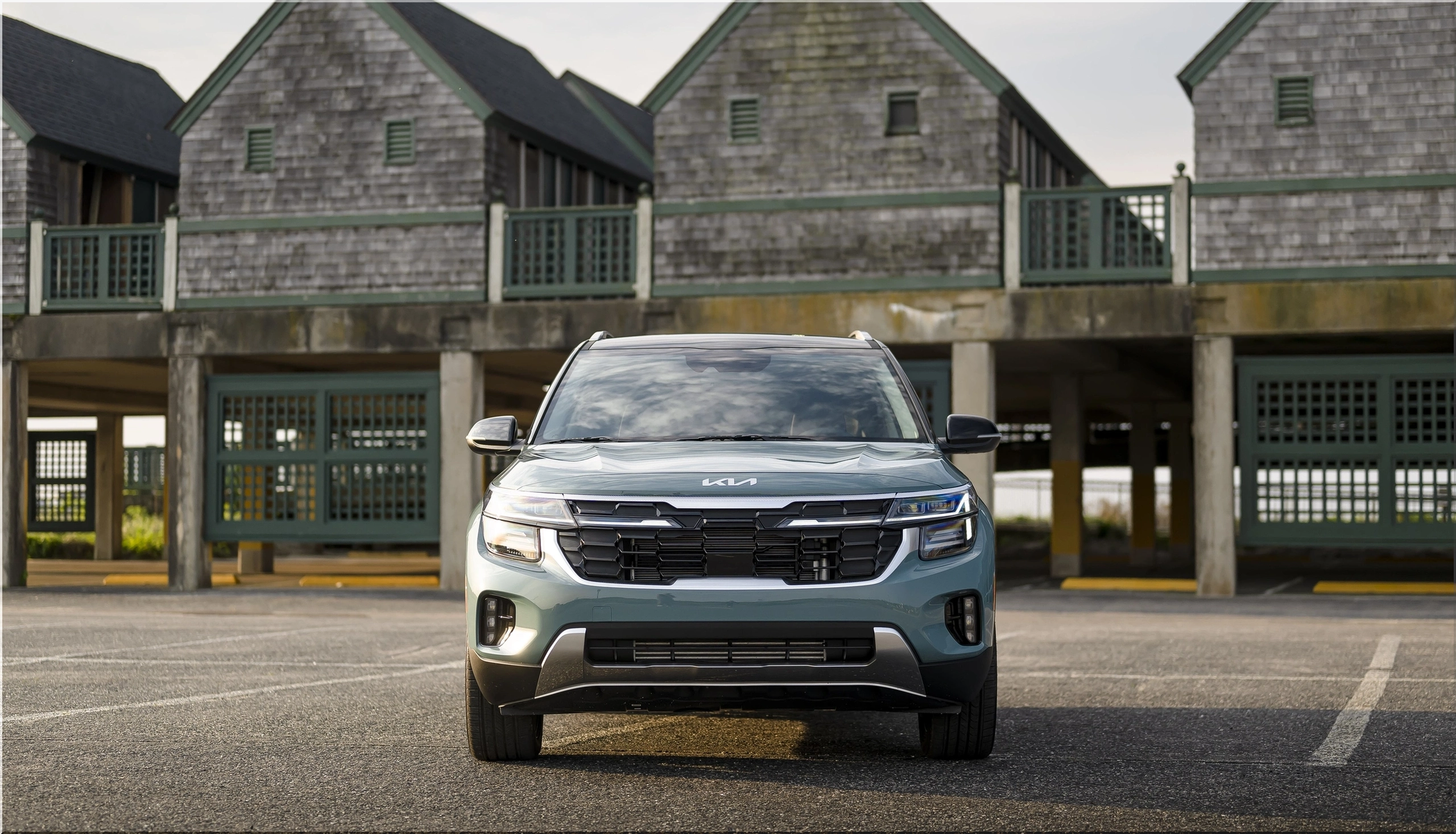
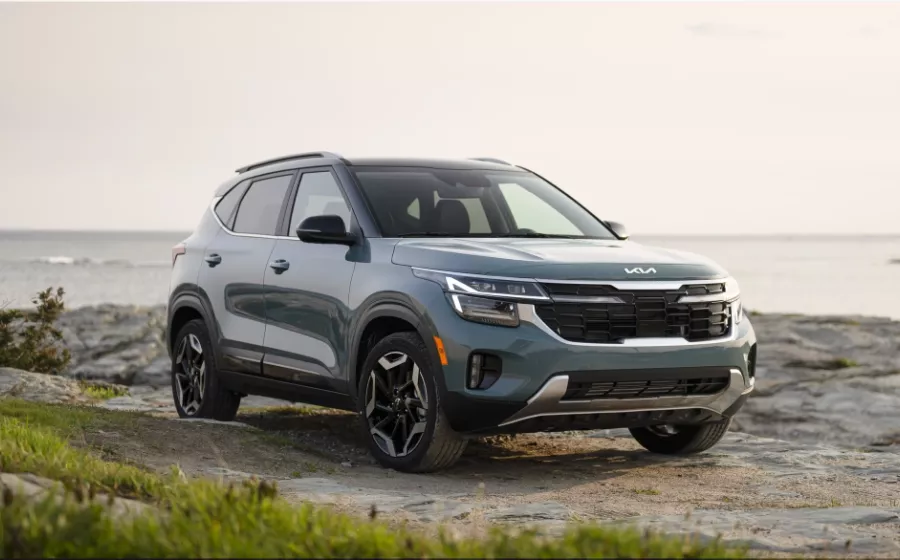
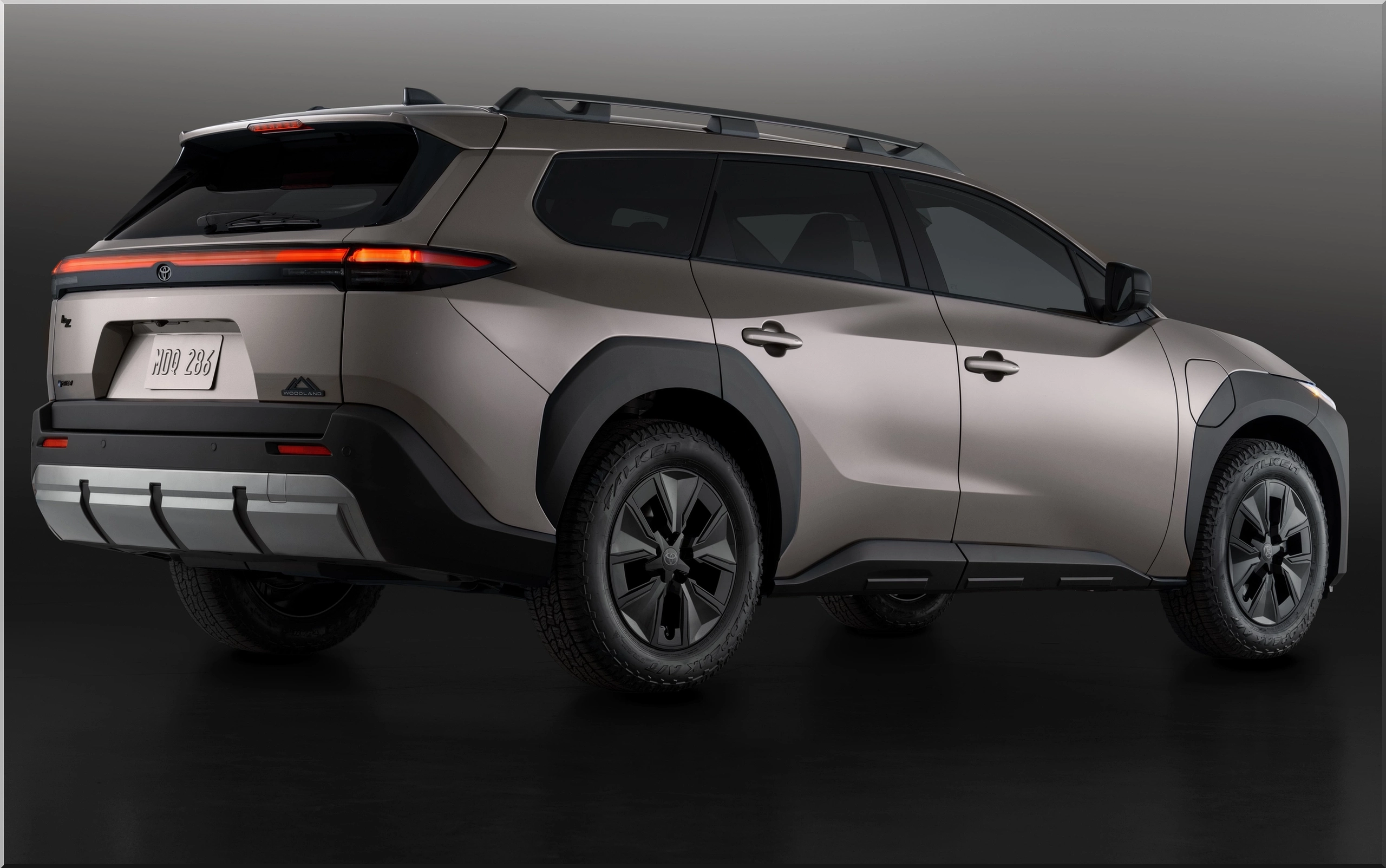
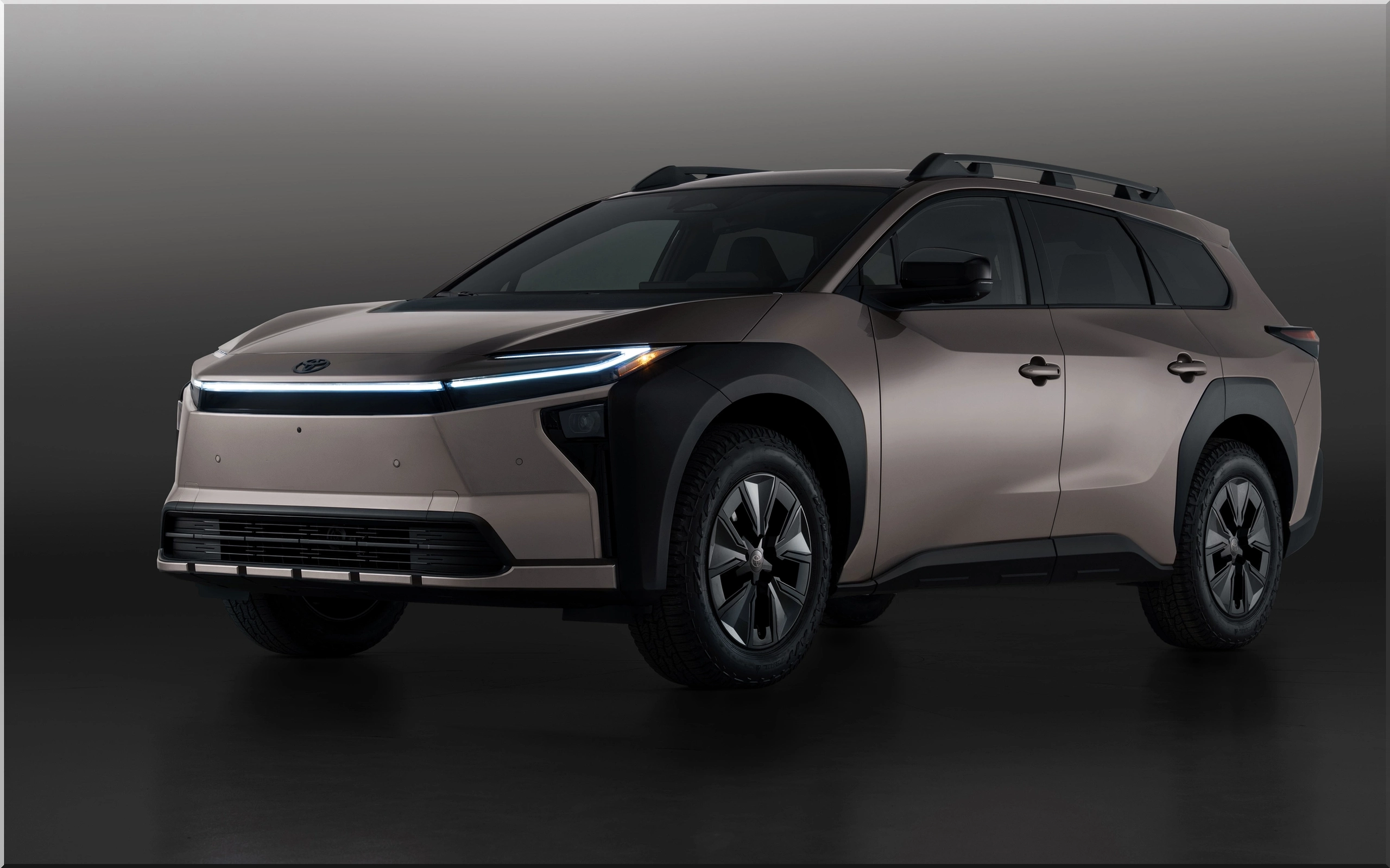
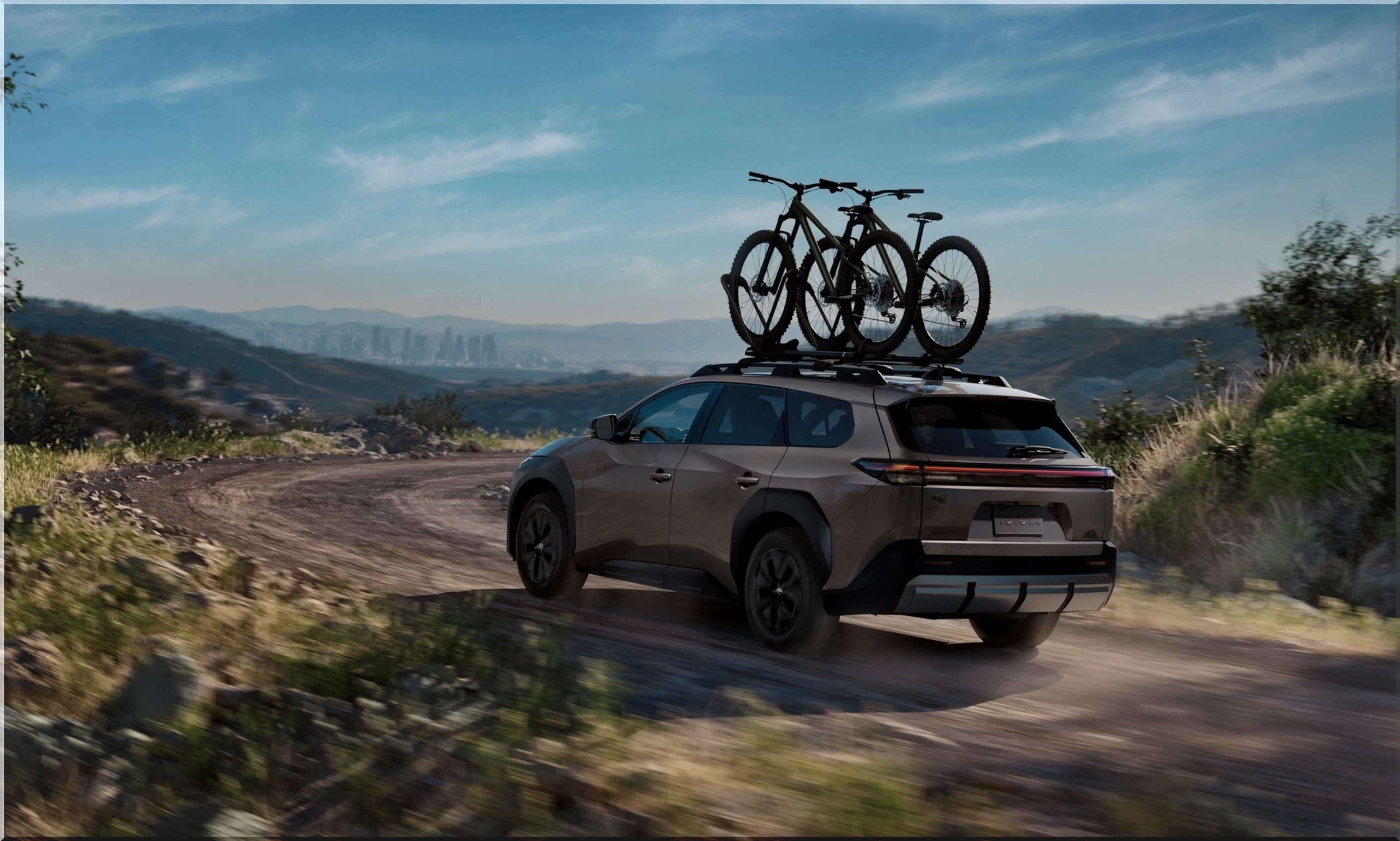
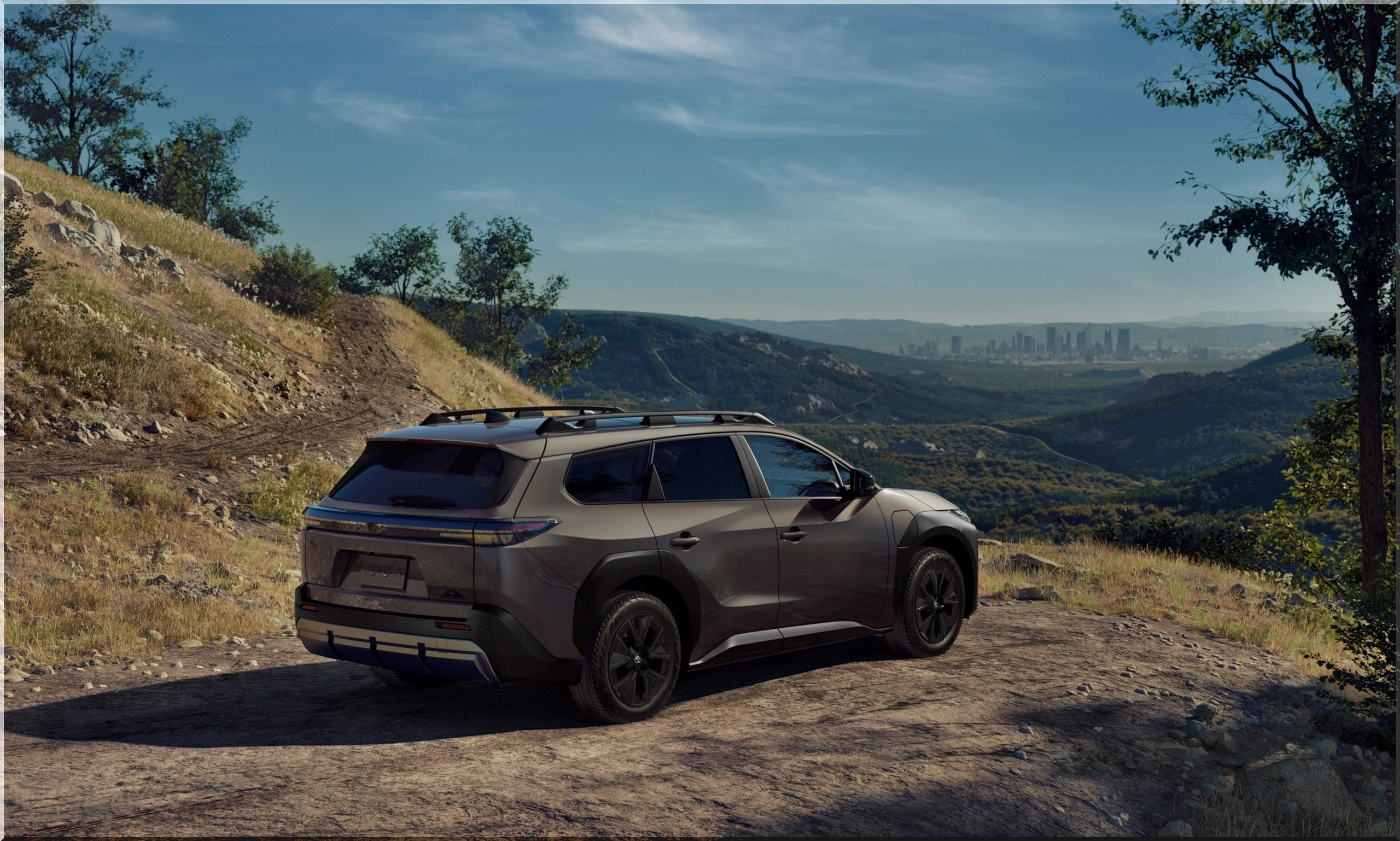
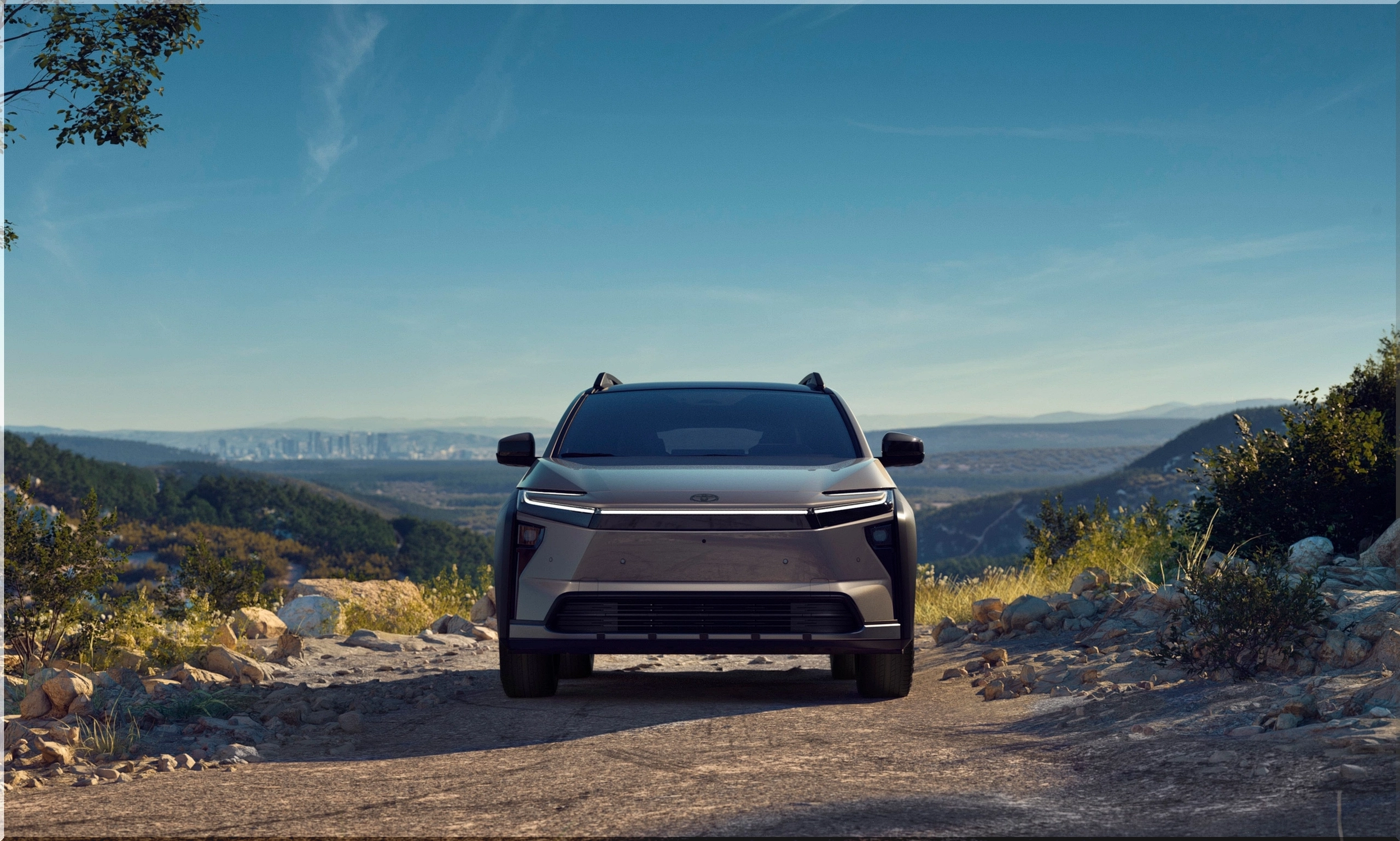
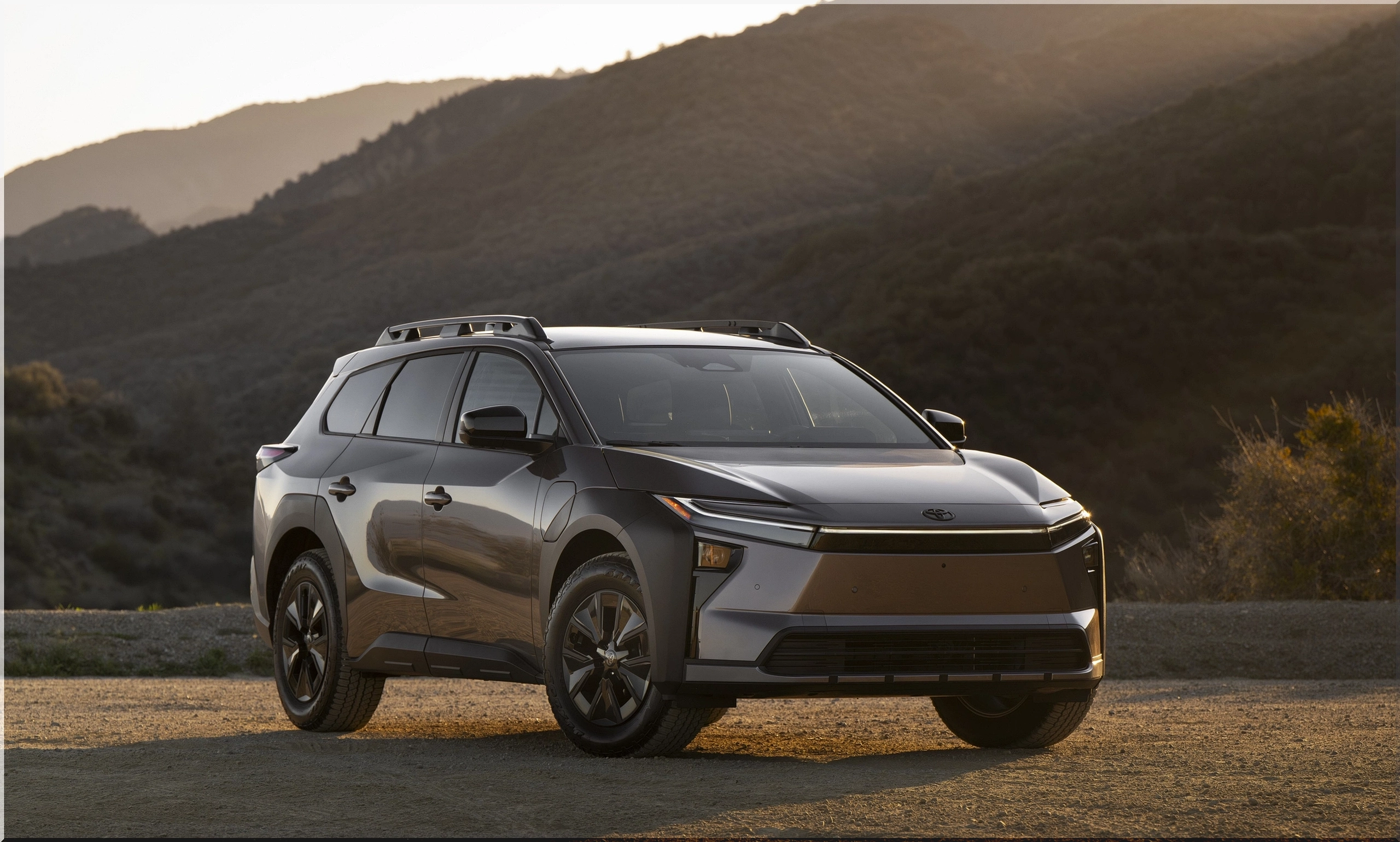
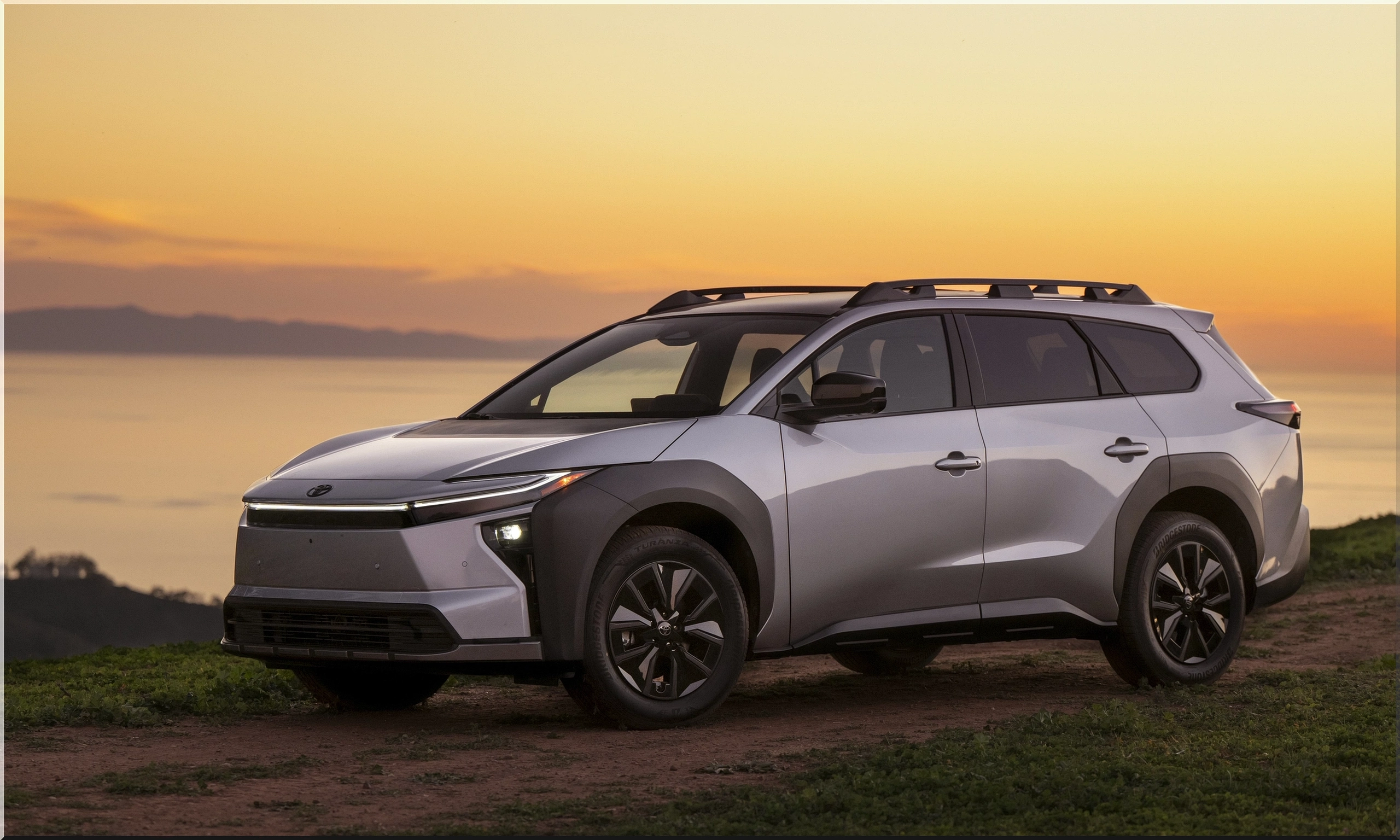
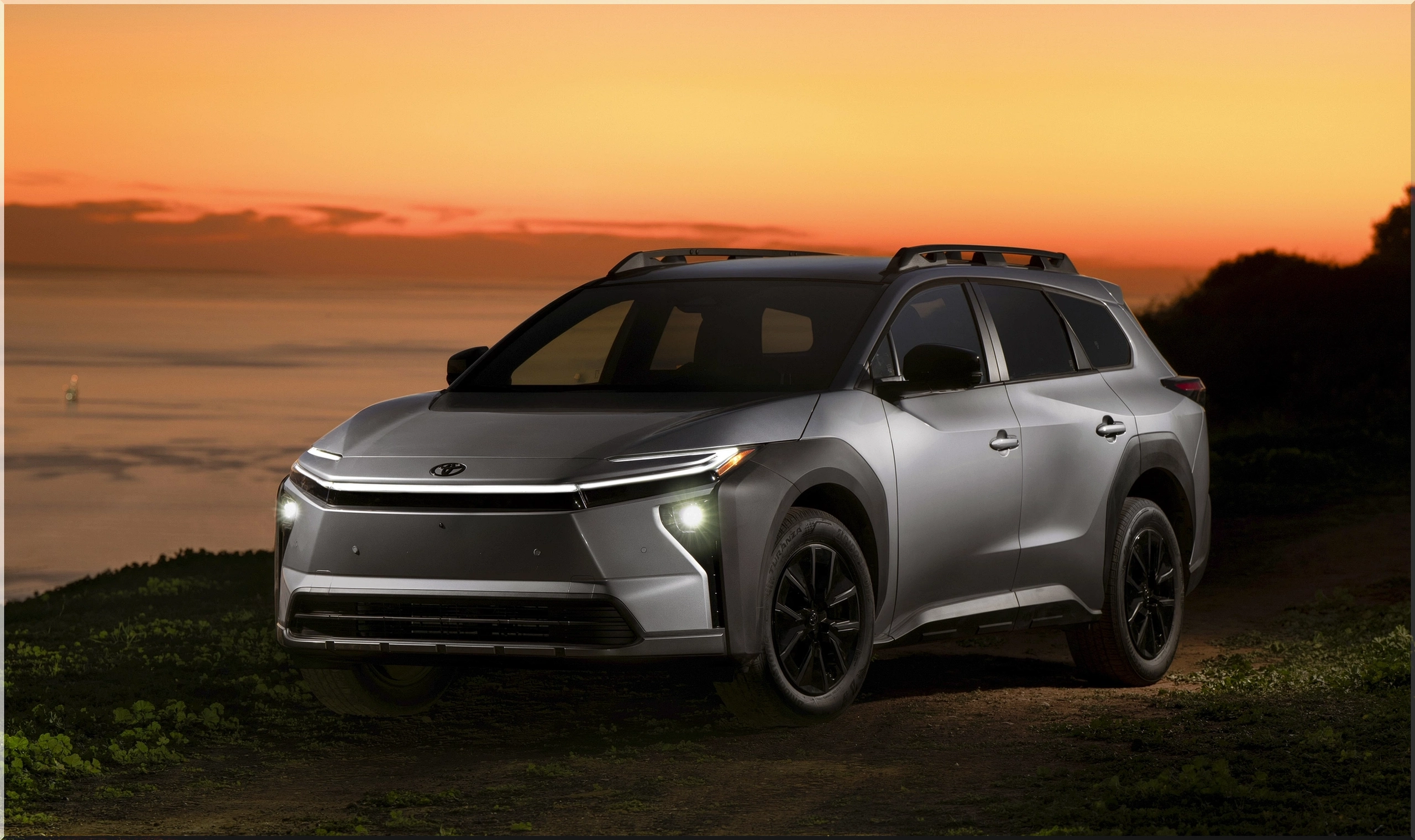
Toyota’s design team gave the bZ Woodland a distinct look that communicates capability while serving the vehicle’s off-road function. The front bumper features a redesigned lower fascia with a higher cut line, exposing more of the skid plate and improving the approach angle. Black fender flares add 1.2 inches (30 mm) of width per side to cover the wider all-terrain tires, while integrated mud flaps reduce rock spray along the body sides.
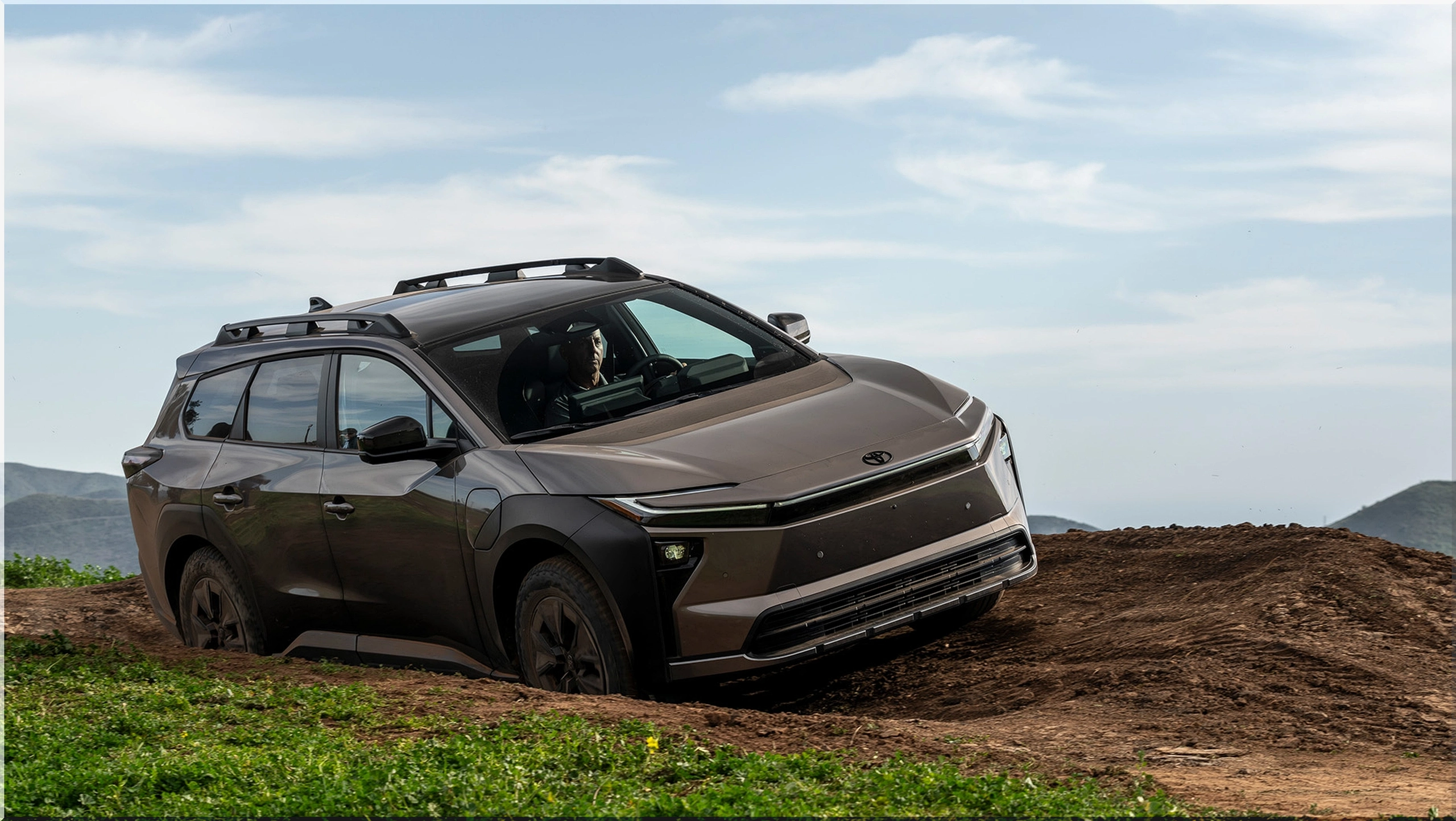
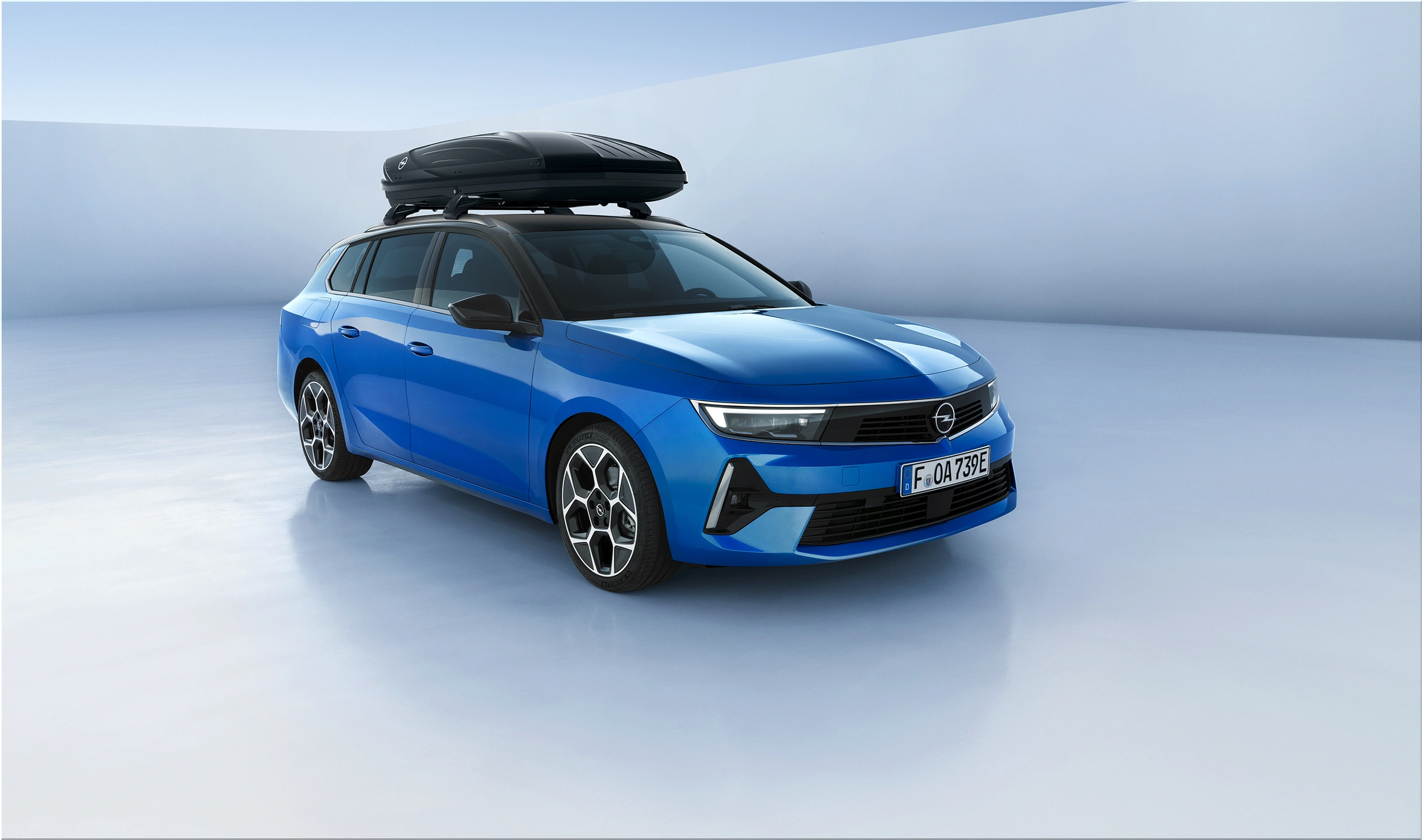
Roof rails with integrated crossbars support a dynamic load of 165 pounds, enough for a rooftop tent. Toyota reinforces the roof structure above the B-pillar to accommodate that static load when the vehicle is parked. LED projector headlights, fog lights, and a unique light signature give the face a wide, planted stance.
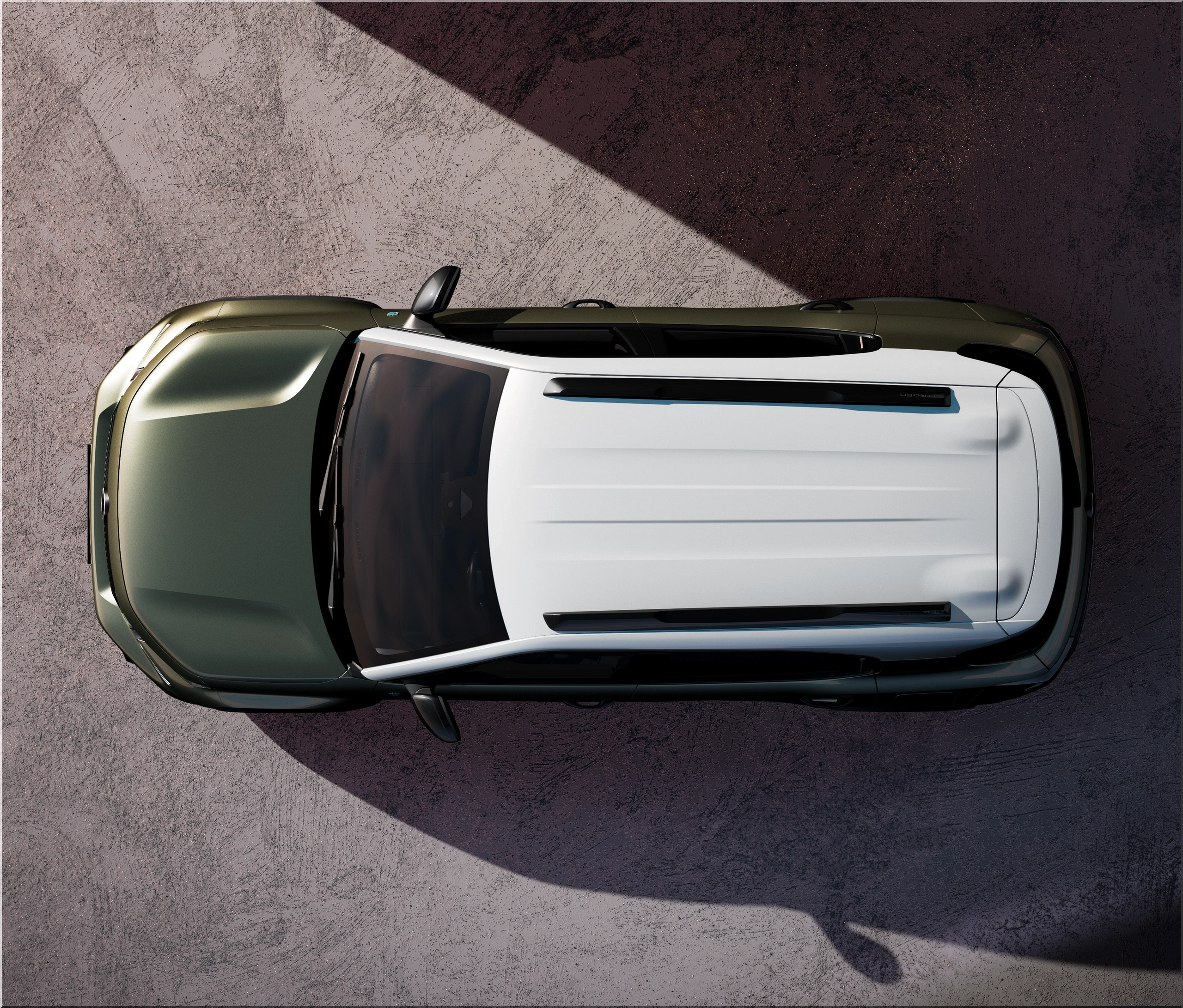
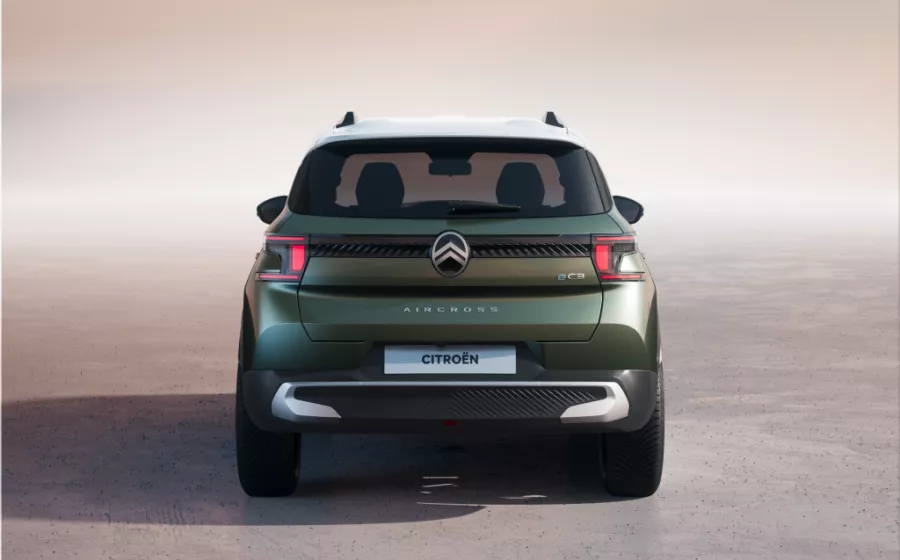
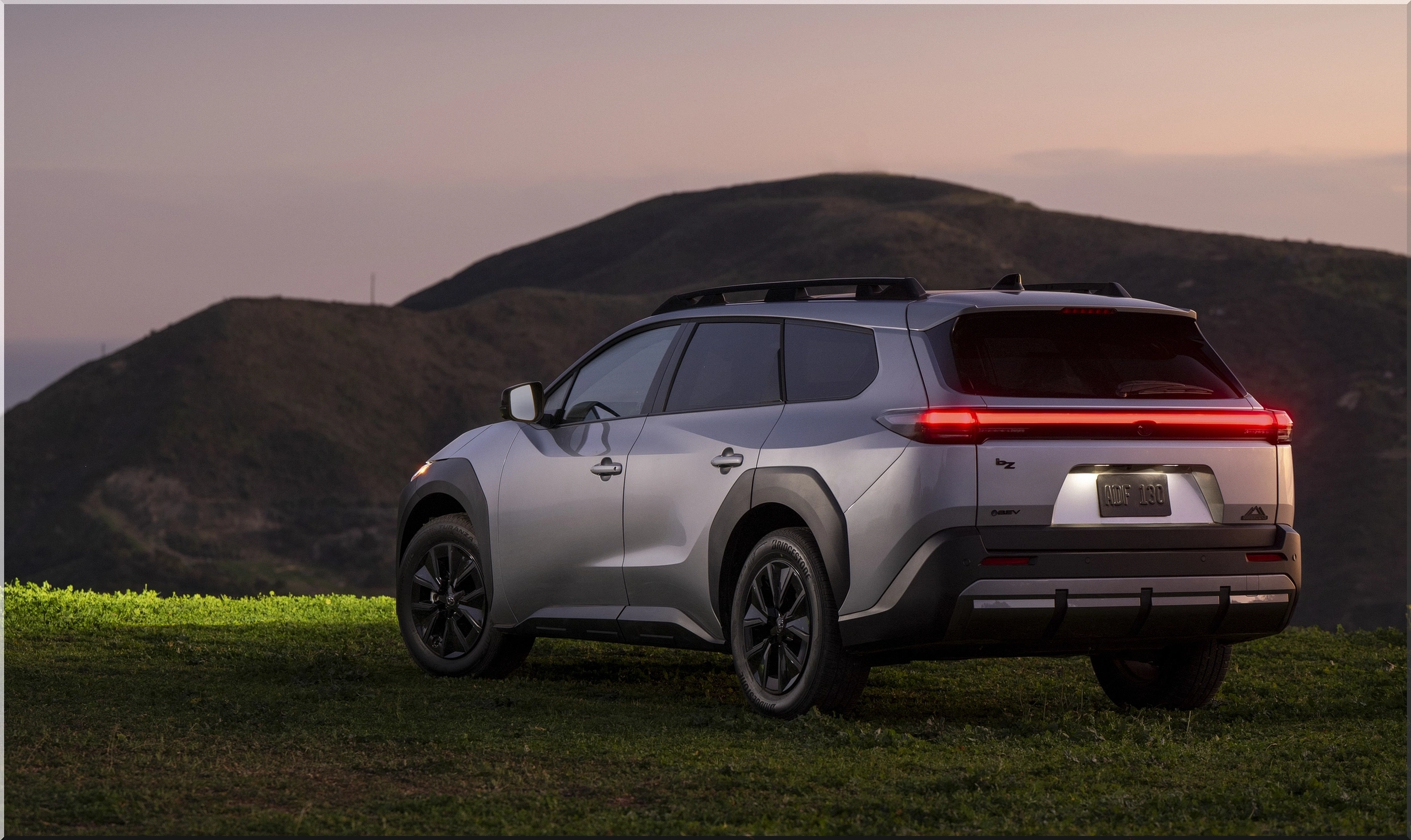
The rear hatch includes a power-operated liftgate with a kick sensor, and the bumper houses integrated recovery points rated for the vehicle’s gross vehicle weight rating. A two-tone paint scheme with a black roof emphasizes the elevated ride height, and the available Army Green exterior color draws a direct visual link to Toyota’s truck heritage.
Interior and Technology: Toyota’s Latest Multimedia and Space
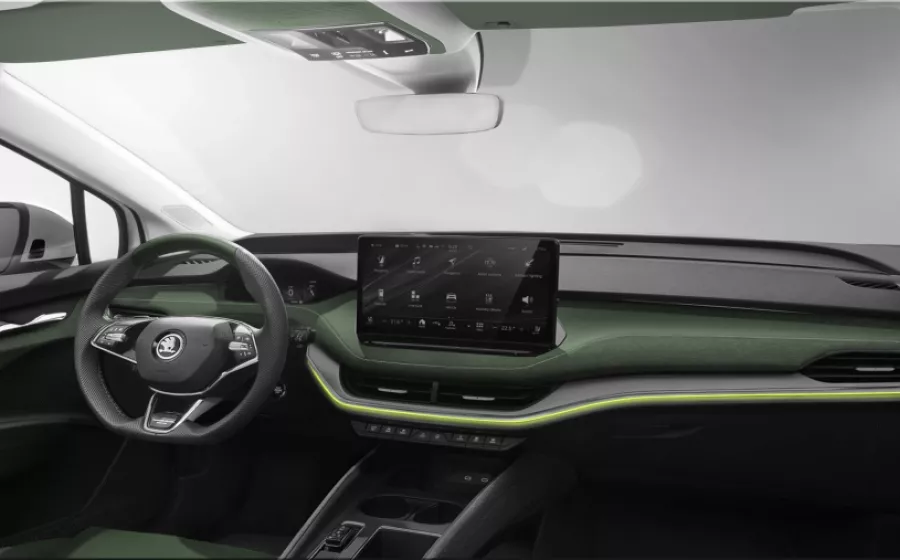
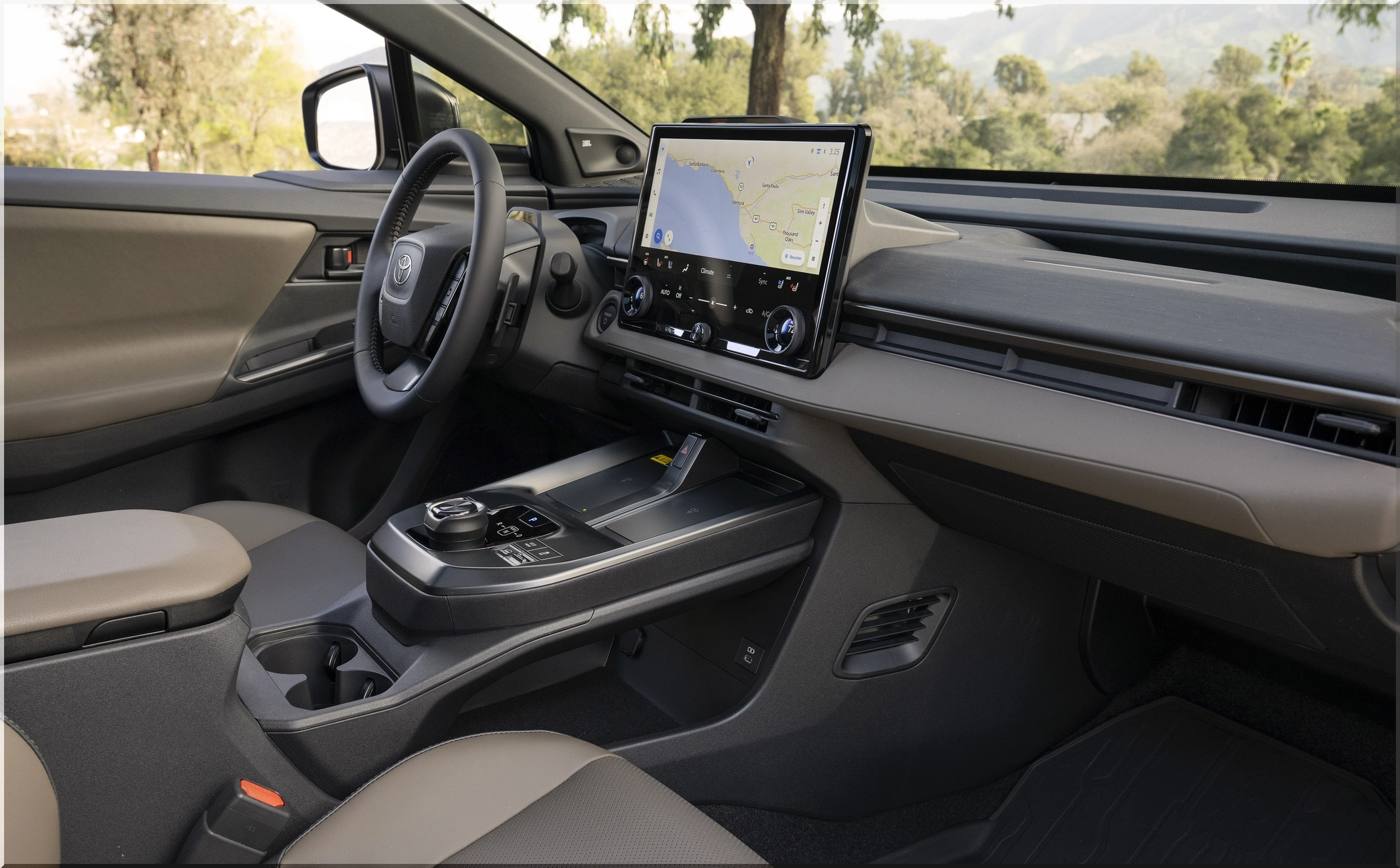
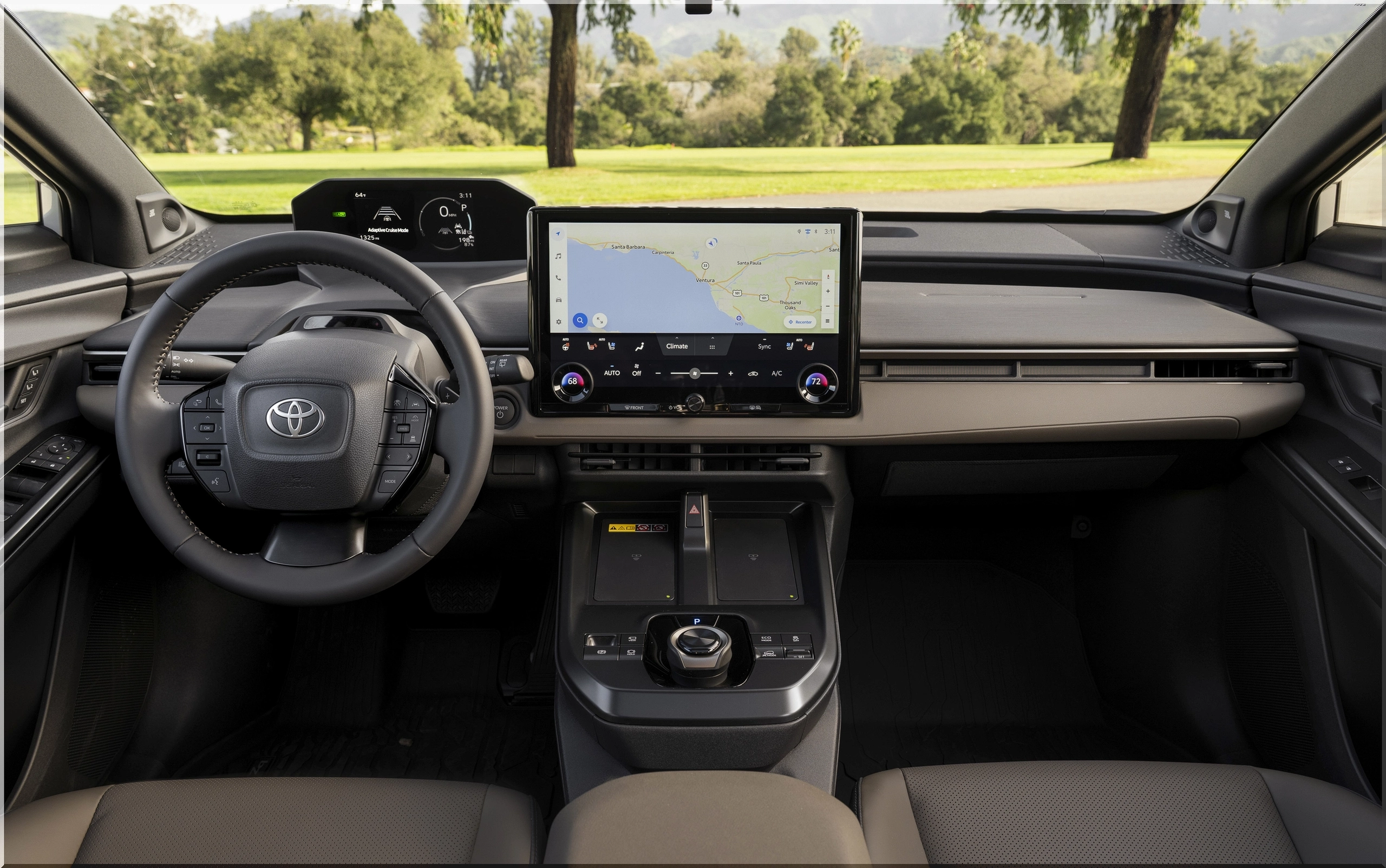
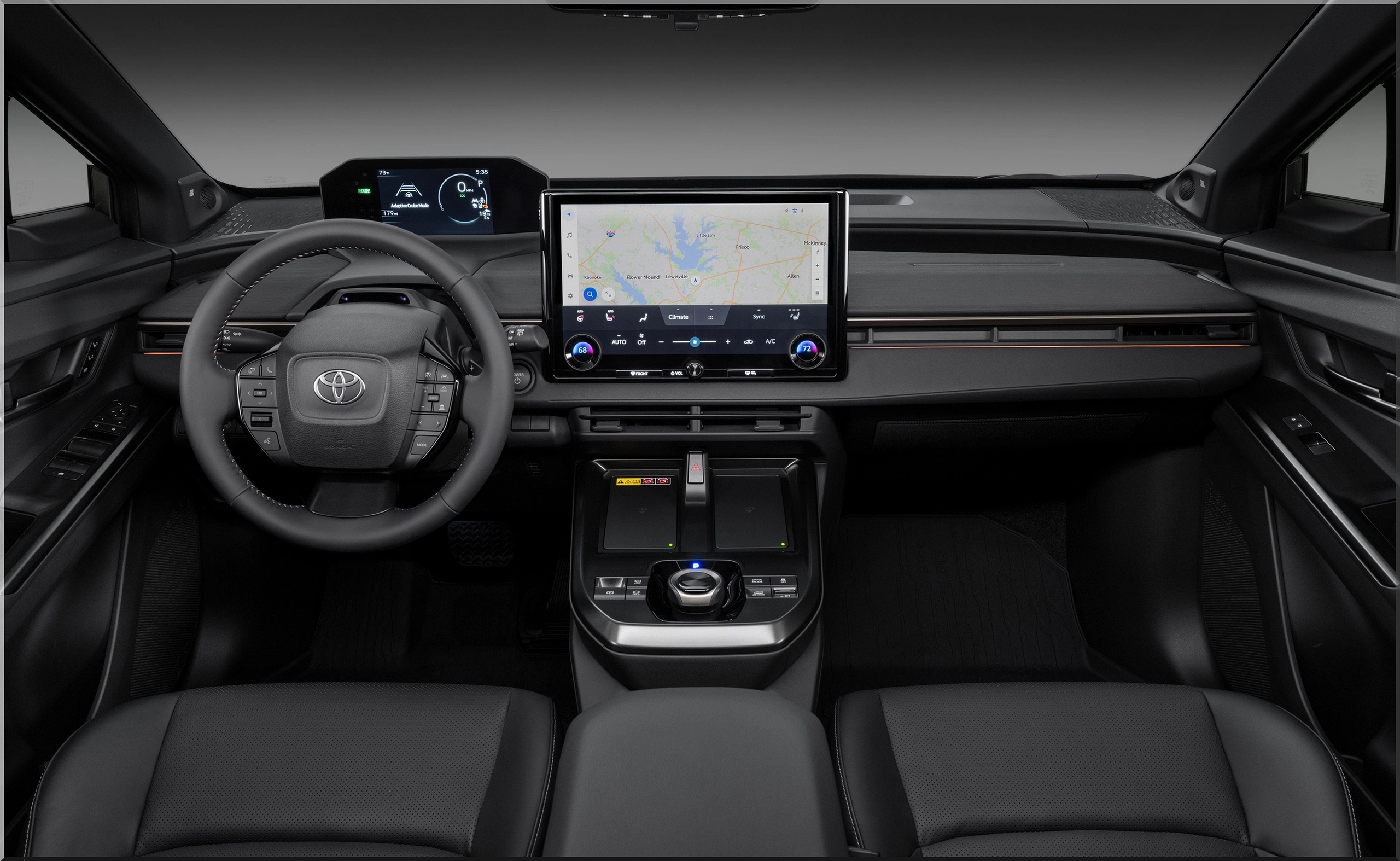
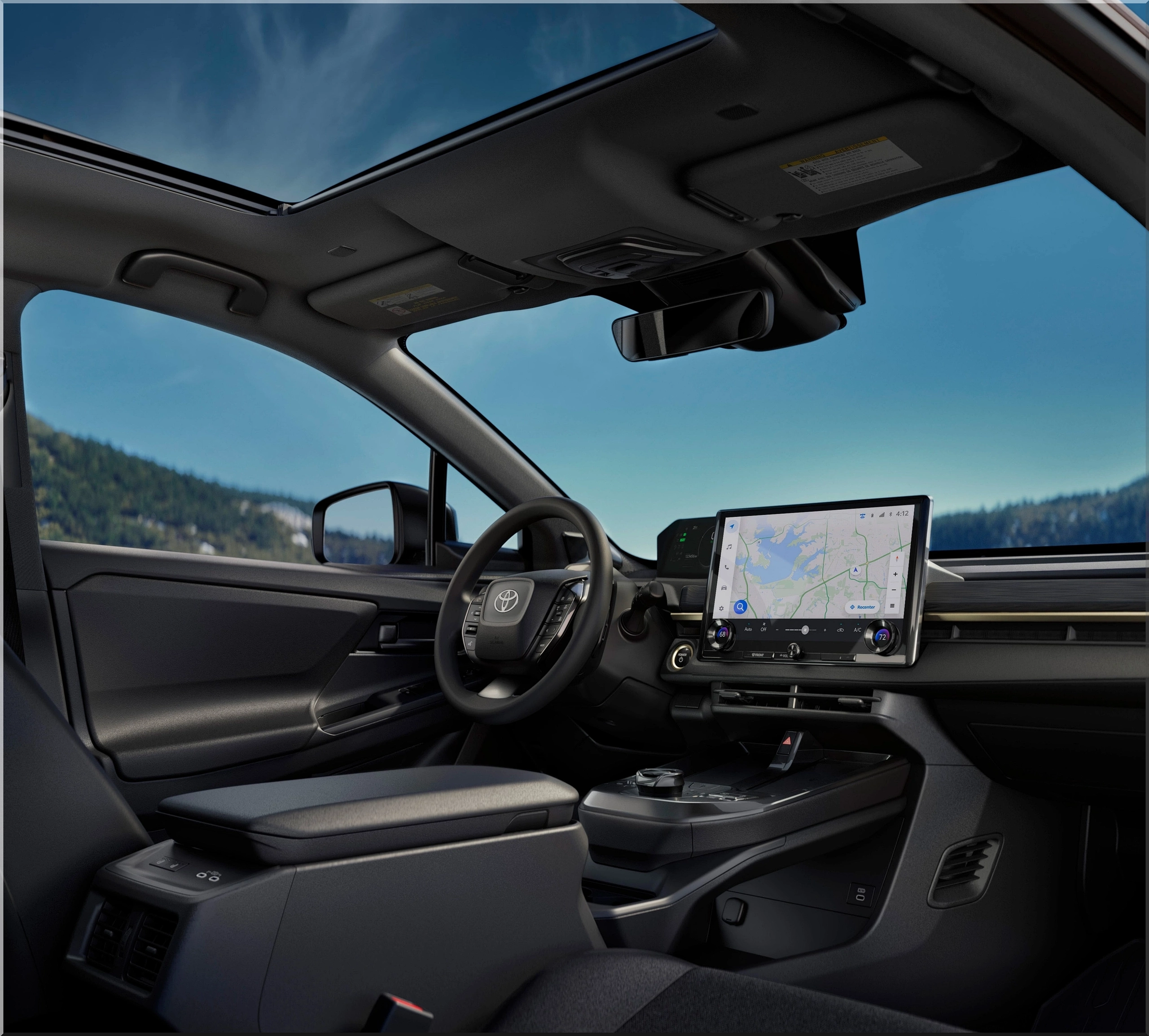
Inside the 2027 Toyota bZ Woodland, a horizontal instrument panel layout keeps forward visibility unobstructed, crucial when navigating tight trails. A 7.0-inch digital gauge cluster sits high on the dash in a binnacle that the driver views over the steering wheel, not through it. The standard 12.3-inch Toyota Audio Multimedia touchscreen runs the latest cloud-based navigation with trail maps, and it integrates wireless Apple CarPlay and Android Auto. Over-the-air updates keep the system current without a dealer visit.
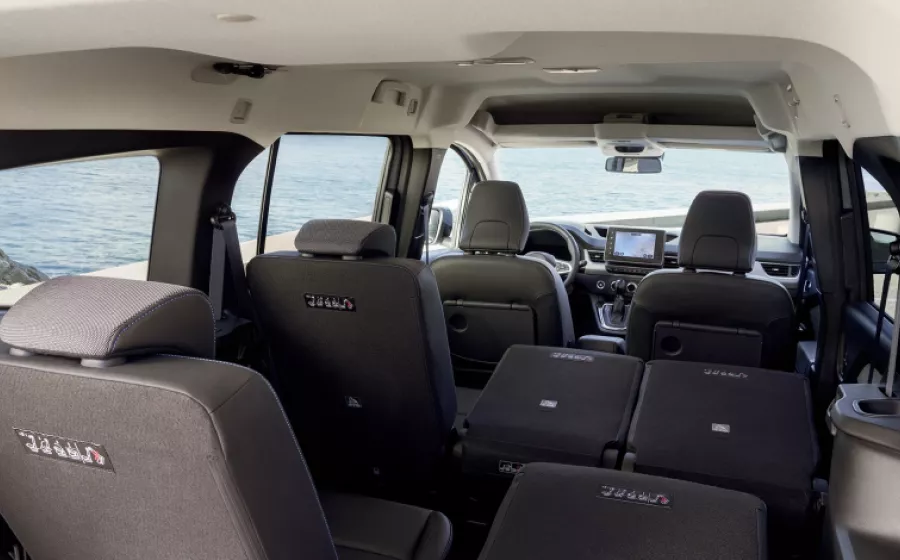
Toyota covers the seats in SofTex-trimmed upholstery that resists mud, moisture, and sunscreen. The front seats offer heating and ventilation, and the rear bench splits 60/40 with a fold-flat function that opens up 56.9 cubic feet of cargo space behind the front seats. A waterproof cargo floor with a raised lip contains melted snow or spilled water from gear.
- Cargo volume behind second row: 27.7 cu ft
- Cargo volume behind first row: 56.9 cu ft
- Waterproof cargo floor with drainable liner
- Standard 1,500-watt AC power outlet in cargo area
- Available 10-inch head-up display and digital rearview mirror
The cabin architecture reduces noise intrusion through acoustic laminated glass and additional insulation in the floor and wheel wells, a notable achievement given the aggressive tire tread. USB-C ports front and rear, a wireless charging pad, and multiple 12-volt outlets support the electronics that overlanding owners will bring along.
Safety and Driver Assistance: Toyota Safety Sense 3.0 Standard
Every bZ Woodland ships with Toyota Safety Sense 3.0, a suite that includes pre-collision system with pedestrian and cyclist detection, full-speed adaptive cruise control, lane departure alert with steering assist, lane tracing assist, road sign assist, and automatic high beams. Toyota calibrates the radar and camera systems to function accurately when the vehicle operates at high yaw angles on loose surfaces, preventing false activations on winding dirt roads.
Blind Spot Monitor with Rear Cross-Traffic Alert is standard, and the SUV offers a Panoramic View Monitor that stitches together a 360-degree overhead image. The camera system includes a dedicated off-road view that displays the front wheel trajectories and the ground immediately ahead of the tires, reducing the likelihood of rock strikes.
Pricing and Trim Levels: Starting at $45,000 for AWD Model
The 2027 Toyota bZ Woodland launches with a single, well-equipped grade that includes dual-motor AWD, the Off-Road Package (suspension lift, skid plates, all-terrain tires), Toyota Safety Sense 3.0, and the 12.3-inch multimedia system as standard. The manufacturer’s suggested retail price starts at $45,000, not including destination charges. That figure undercuts the Rivian R1S and the electric Mercedes-Benz G-Class by tens of thousands of dollars while delivering genuine trail-rated capability.
- bZ Woodland AWD: $45,000 (standard equipment as described)
- Available options: two-tone paint ($500), Panoramic View Monitor ($800), head-up display ($600), digital rearview mirror ($300)
Toyota expects the bZ Woodland to qualify for the full federal EV tax credit, lowering the effective entry point for many buyers. The company backs the battery with an 8-year/100,000-mile warranty and offers complimentary scheduled maintenance for two years.
Pro-Tip: To maximize range when traveling to a trailhead, lower the tire pressure only after arriving at the off-road staging area. The Falken tires have enough sidewall compliance to perform well at street pressures on graded gravel, and dropping pressure only where needed preserves energy on the highway.
- Add new comment
- 30 views