Nissan sales in the U.S. and Japan grew in September 2026, with gains of 10.4% and 17.7%, respectively. Global sales still fell 10.2%. The results show a recovery with clear regional limits, rather than a company-wide return to growth.
The distinction matters. Retail demand, rental fleet deliveries, factory output, and customer orders measure different parts of the business, and Nissan's latest figures point in different directions across those measures.
July to September: Japan Builds Momentum, U.S. Sales Rebound
Looking at the data, Nissan Japan sales gained pace across three monthly comparisons. The U.S. followed a less even path, with an August decline interrupting July and September growth.
| Monthly sales measure | July 2026 | August 2026 | September 2026 |
|---|---|---|---|
| Japan: change from previous year | +3.6% | +9.7% | +17.7% |
| U.S.: change from previous year | +2.3% | -7.1% | +10.4% |
| Global vehicle sales | 219,495 | 207,162 | 249,759 |
| Global sales: change from previous year | -16.5% | -17.5% | -10.2% |
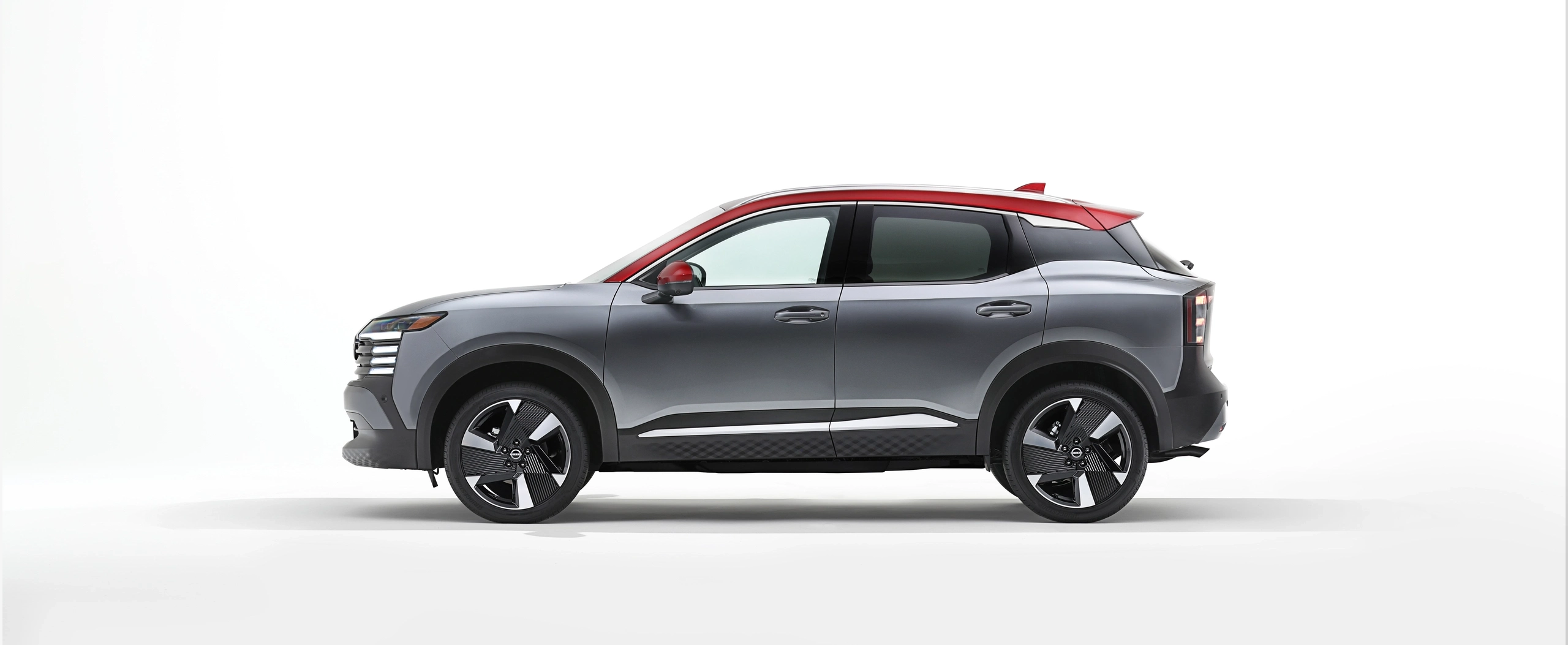
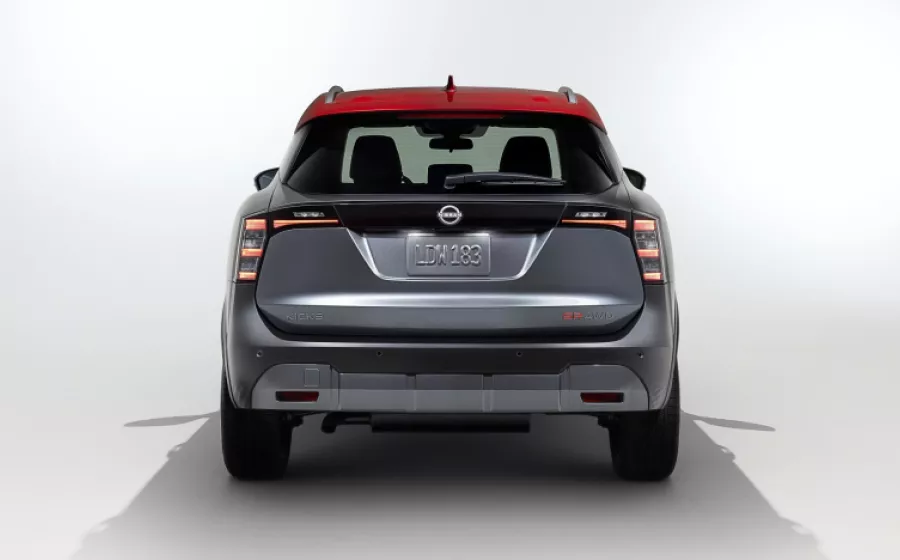
July's report linked Japanese demand to the recently launched Kicks and Elgrand, while Rogue helped the U.S. business. August brought another Japanese gain, with Roox reaching 6,093 sales and taking tenth place in the country's monthly vehicle ranking, including kei cars.
By comparison, August U.S. sales reached 75,147 vehicles but trailed the previous August. That decline does not contradict Nissan's reported retail growth streak: total sales also capture fleet business. A manufacturer can sell more vehicles to individual customers while delivering fewer vehicles overall if it cuts fleet orders enough.
Avoid treating successive monthly totals as a clean demand forecast. Selling calendars and delivery timing can change the comparison; matching each month against the same month a year earlier gives readers a more useful starting point.
U.S. Retail Growth Outruns Total Sales
Nissan U.S. sales tell a stronger story at the dealership retail level. The official July-September report separates consumer-facing demand from the broader delivery count.
| U.S. third-quarter measure | 2025 | 2026 | Year-over-year change |
|---|---|---|---|
| Nissan Group total sales | 223,377 | 226,474 | +1.4% |
| Nissan Group retail sales | 181,802 | 196,018 | +7.8% |
| Nissan division retail sales | 169,072 | 180,619 | +6.8% |
| INFINITI total sales | 13,151 | 15,839 | +20.4% |
| INFINITI retail sales | 12,730 | 15,399 | +21.0% |
Nissan also cut quarterly rental fleet sales by 45%. That helps explain why retail growth exceeded total growth. The report counts 77 selling days in both quarters, so an extra selling day does not explain the quarterly increase.
Retail sales track deliveries through the retail channel, while total sales also include fleet transactions. Always check the reporting scope before comparing a brand's growth claim with a group-wide table.
For shoppers, three checks matter more than a national growth slogan:
- Compare the exact trim and drivetrain across competing dealer quotes.
- Separate the negotiated vehicle price from financing and trade-in allowances.
- Check local stock before assuming national sales growth means limited availability.
INFINITI Adds Volume Through Its SUV Lineup
The quarterly report identifies QX60 as INFINITI's volume leader and credits QX80 with record September and third-quarter retail performances. QX65 sales rose 22% from August to September.
Those figures use different comparison periods. A monthly increase tracks launch progress; a year-over-year quarterly result tests performance against a longer benchmark. Readers should keep those measures separate before judging whether one model can sustain the brand's gains.
Japan's Recovery Has More Than One Moving Part
September marked Japan's fourth consecutive month of year-over-year sales growth. Roox exceeded 10,000 sales, while cumulative Elgrand orders passed 10,000 after its July debut.
Orders and sales do different jobs. An order book signals customer interest and future delivery work; completed sales measure vehicles that have already entered the reported sales count. Adding the two would inflate the apparent result.
August's category breakdown adds useful context. Registered-vehicle sales rose 10.1%, while minivehicles gained 9.2%. Both categories helped that month's improvement, so readers should avoid assigning the entire Japanese rebound to one small-car nameplate.
Frontier Shows the Product Behind the Sales Pitch
The 2026 Nissan Frontier provides a concrete example of the hardware supporting Nissan's U.S. truck business. Its naturally aspirated 3.8-liter V6 produces 310 horsepower at 6,400 rpm and 281 lb-ft at 4,400 rpm, working through a nine-speed automatic transmission.
Peak torque describes one operating point, rather than the full torque curve. Buyers who tow should also check gearing, payload, trailer tongue weight, and the selected truck's rating instead of choosing from horsepower alone.
Nissan lists a starting MSRP of $32,150, excluding destination, taxes, licensing, and options. Its specification sheet gives the S King Cab a 126.0-inch wheelbase, about 3,200 mm, and a 210.2-inch overall length, about 5,339 mm. These measurements help buyers assess garage fit and parking space.
The lineup reaches a maximum towing rating of 7,150 pounds, but configuration changes the limit. PRO-4X adds an electronic locking rear differential: locking the rear wheels together helps maintain drive when one rear tire loses grip. That hardware offers a clear purchase reason, although sales figures alone cannot prove which feature persuaded buyers.
Global Weakness Still Sets the Recovery's Limits
China sales fell 61.6% in September. Global production dropped 17.8% to 222,615 vehicles, reinforcing the gap between regional sales gains and the wider business.
A sales release cannot establish financial recovery on its own. Investors and industry observers still need margins, incentives, inventory, and cash-flow figures before judging the commercial return from higher retail demand.
Pro-Tips: Should Buyers Act on Nissan's Sales Growth?
Use sales momentum to guide your research, then let the vehicle and written quote decide the purchase. A popular truck can still offer poor value at one dealership, while a slower-selling model can suit your needs at another.
- Request an itemized out-the-door quote. Include dealer accessories and fees before comparing offers.
- Price the exact configuration. Cab, bed, drivetrain, and equipment can change both capability and cost.
- Test your actual use case. Check child-seat fit, cargo access, parking clearance, or towing requirements during the visit.
- Compare financing totals. A lower monthly payment can conceal a longer repayment term.
National demand gives context. Your local price, ownership costs, and vehicle requirements determine whether a Nissan makes financial sense.
- 2 views