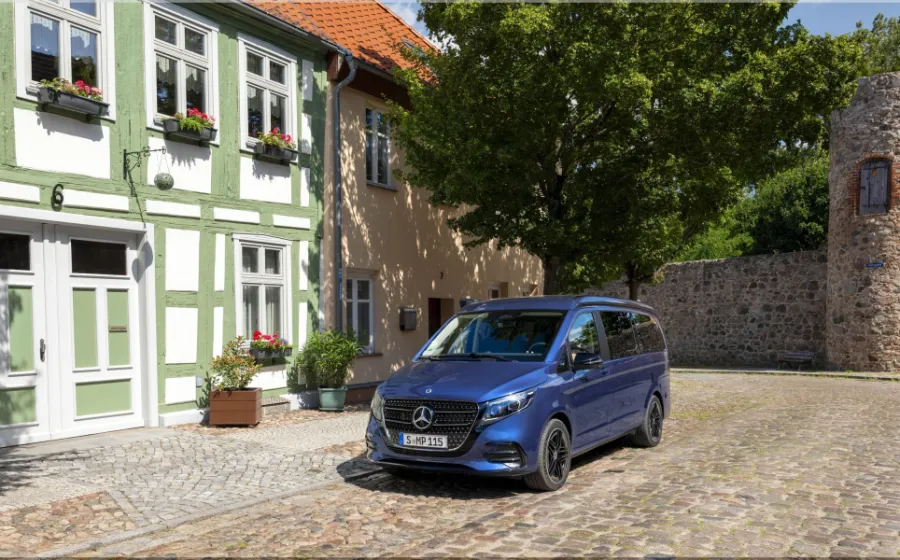
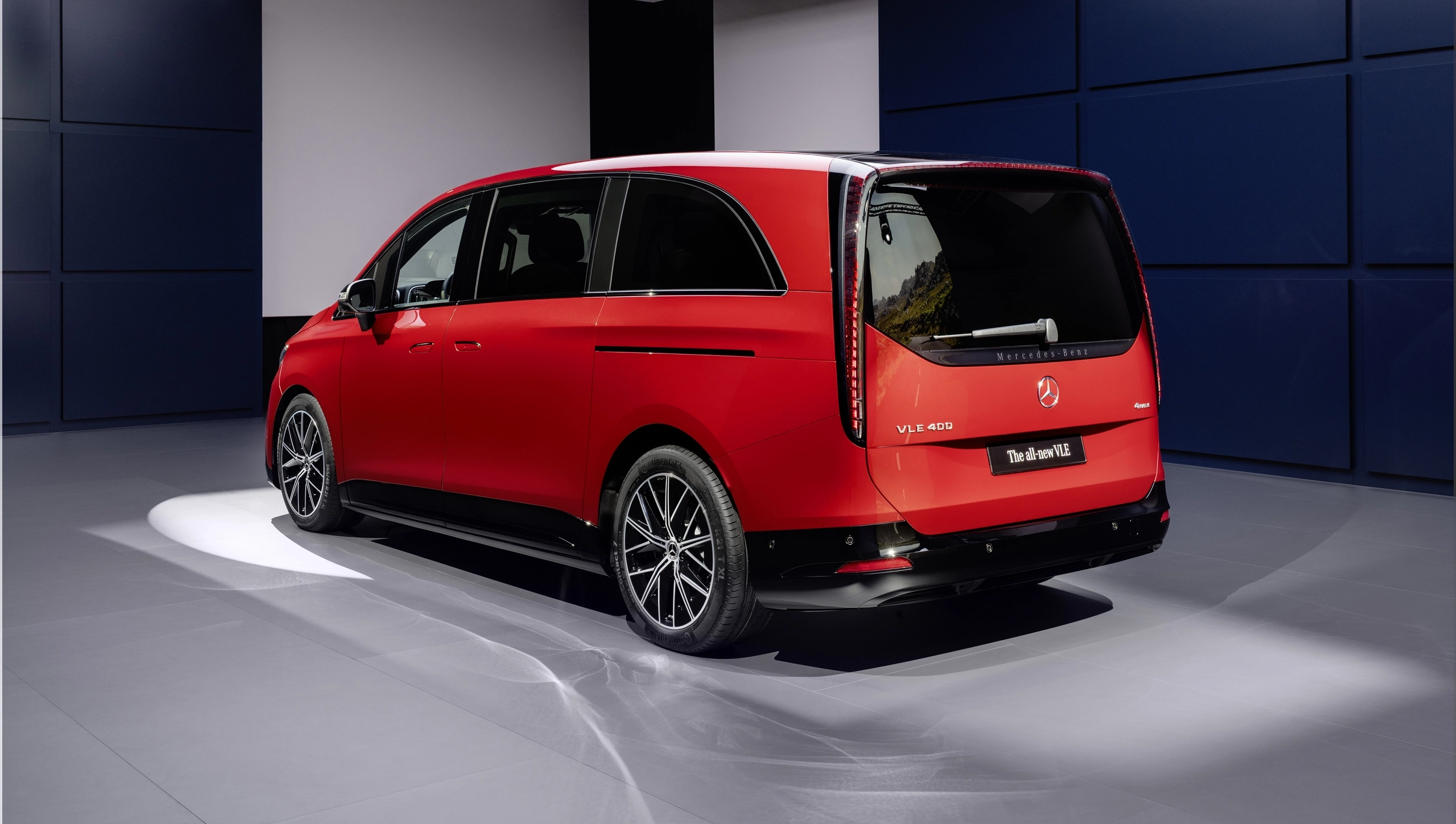
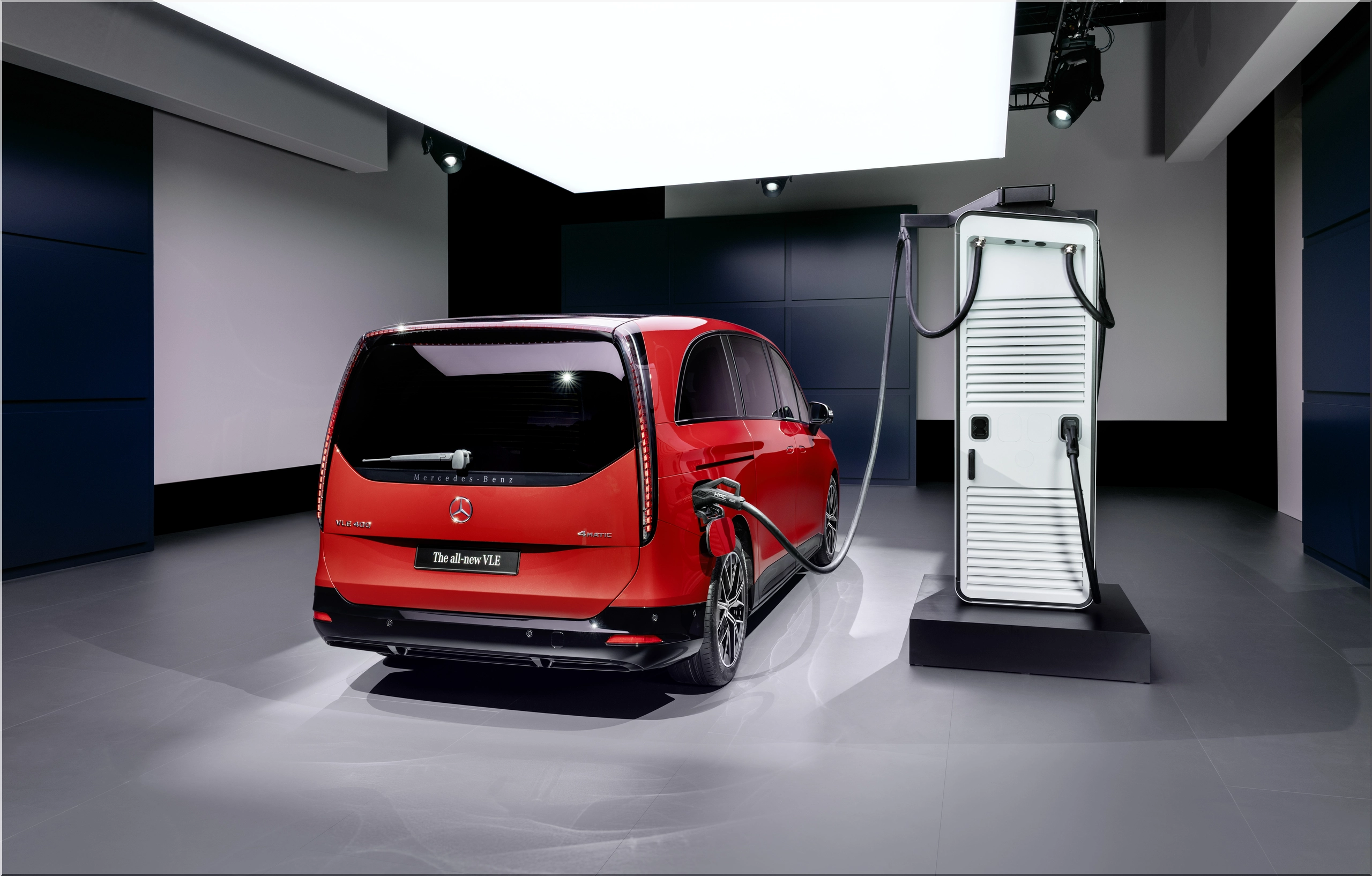
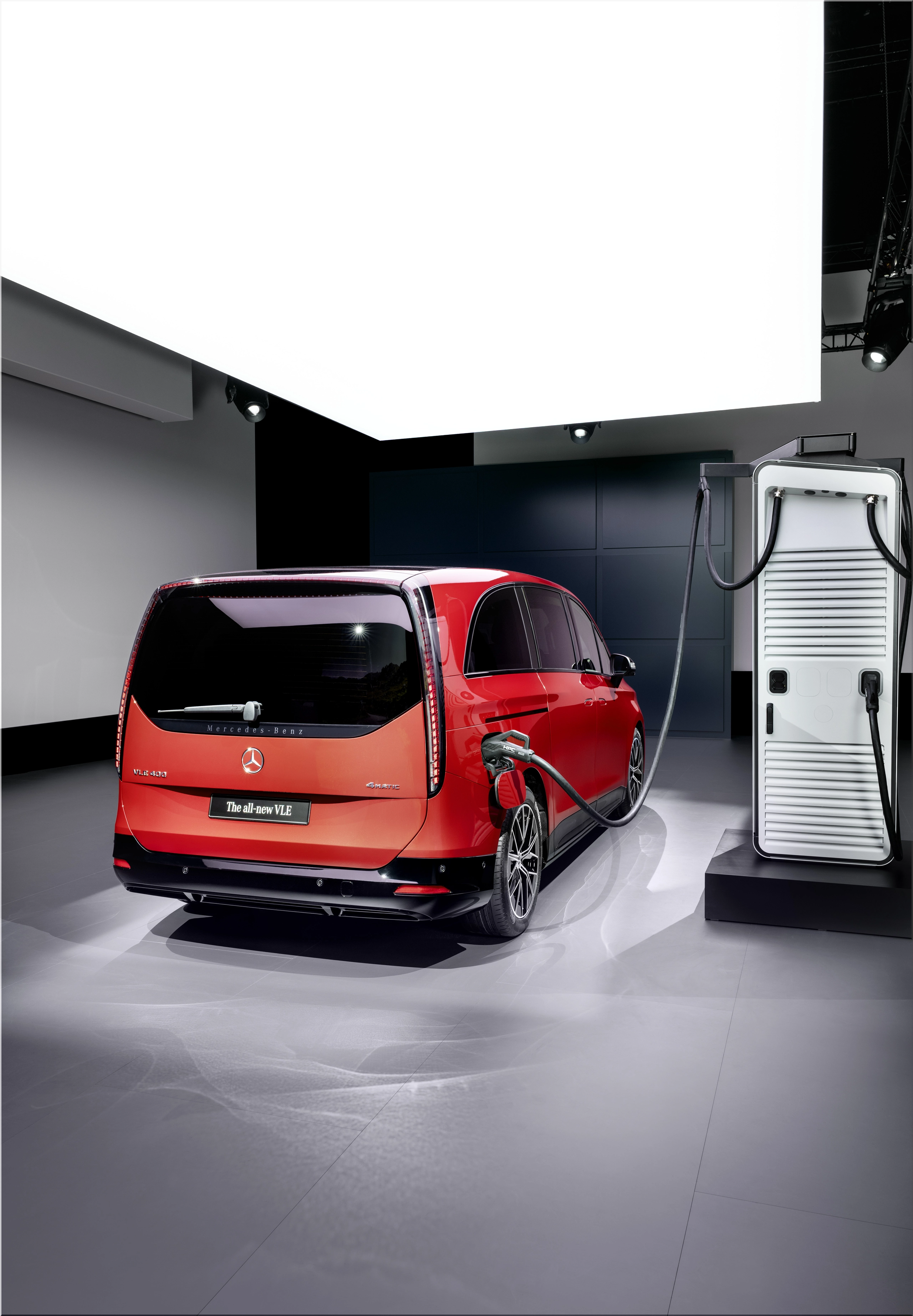
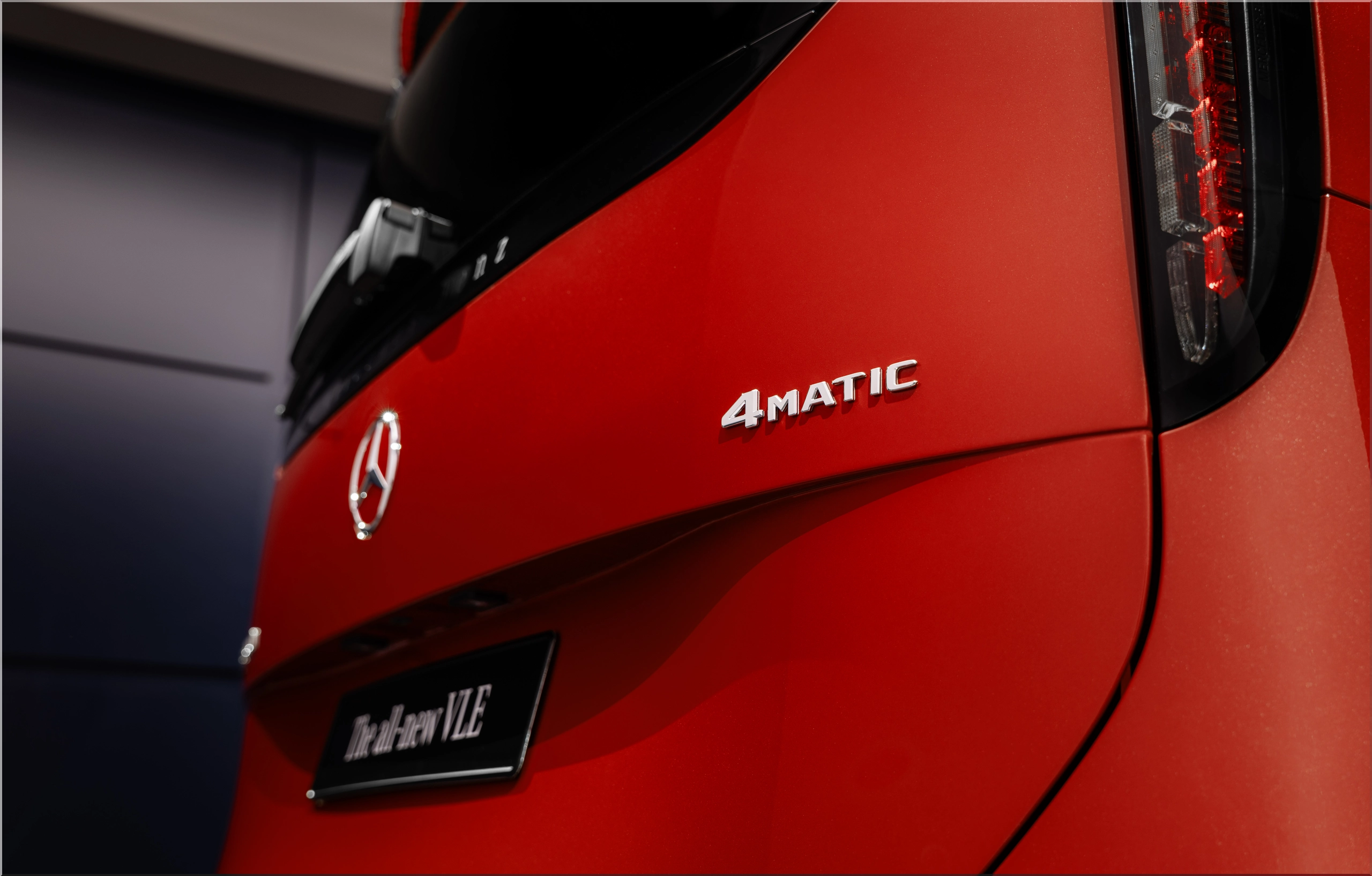
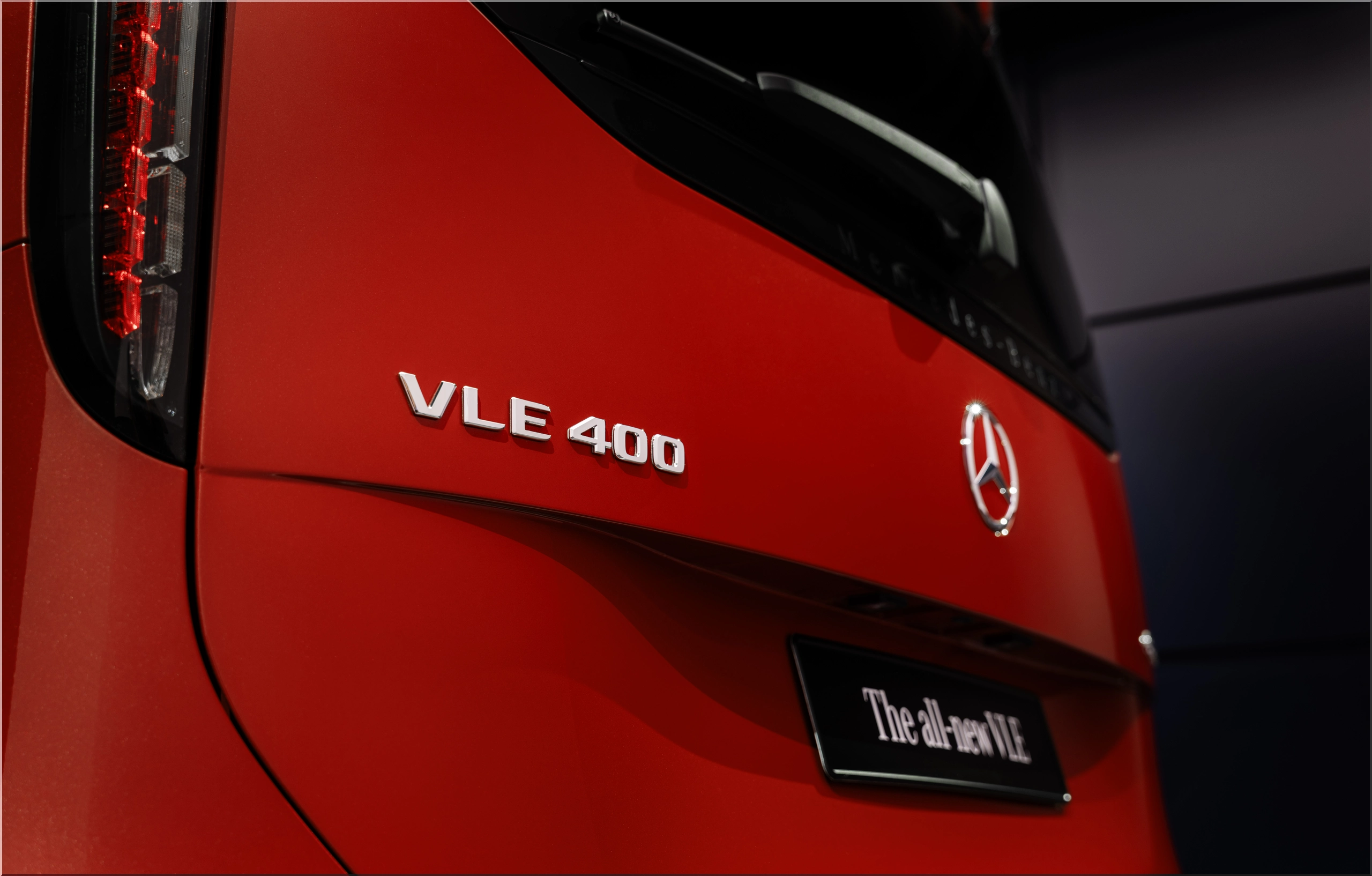
Mercedes-Benz has a new idea for premium family transport, and for once it does not involve pretending a three-row SUV can solve every problem known to modern parenting. The all-new electric Mercedes-Benz VLE takes the opposite route. It uses van packaging, luxury-car tech, and EV hardware that actually suits long-distance passenger duty.
That makes sense. A large, boxy people-mover with a low floor, proper sliding-door access, and seating for up to eight passengers solves real problems faster than another leather-lined high-riding wagon with a heroic grille and a third row best suited to diplomatic luggage. Mercedes knows this. The VLE exists because the brand sees a premium market for buyers who want space, comfort, and charging speed without the circus act of folding themselves into the back seat.
What the Mercedes-Benz VLE Actually Is
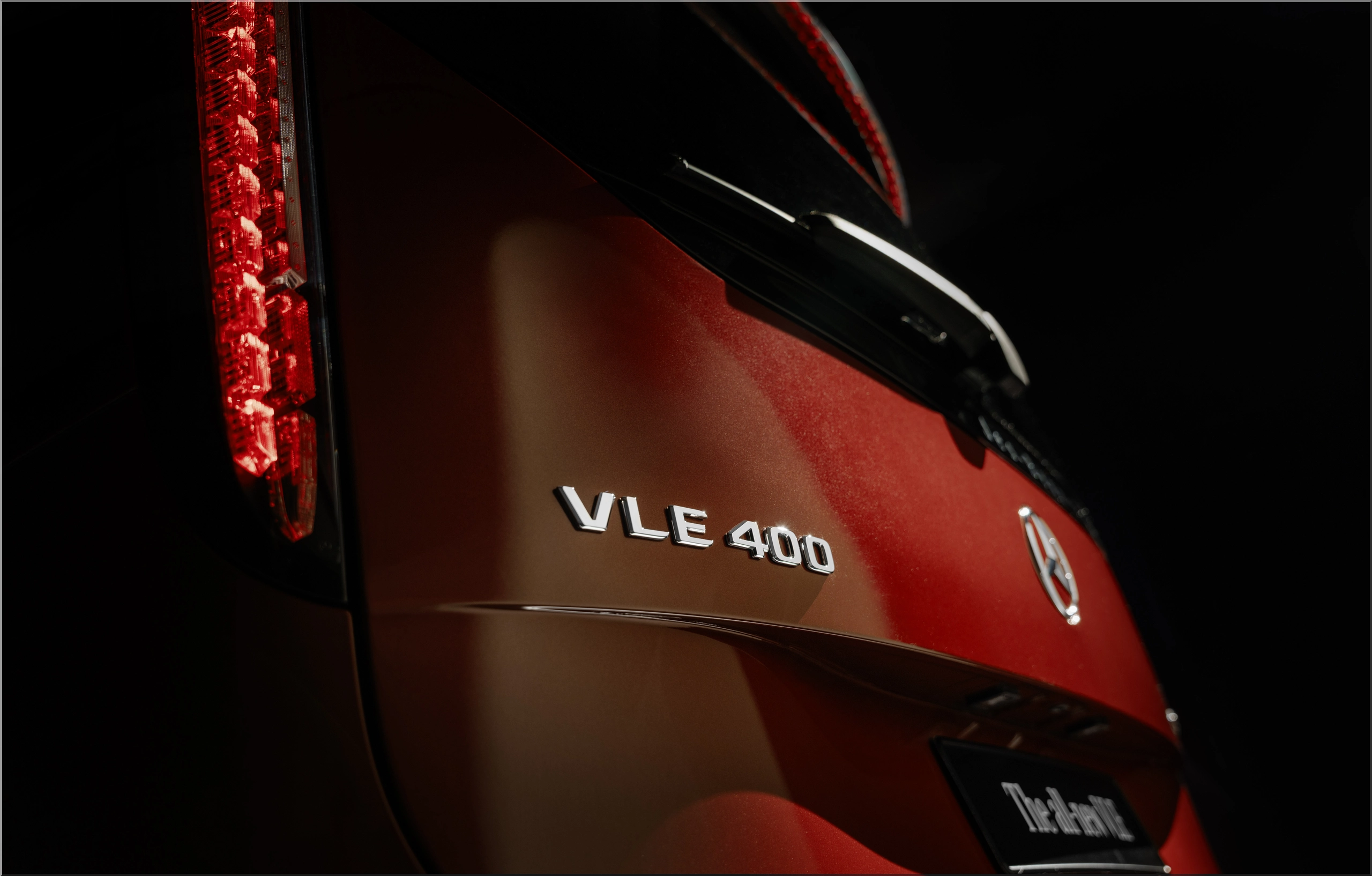
The Mercedes-Benz VLE is a new all-electric luxury van built on the brand's upcoming modular van platform. It sits below the future VLS in Mercedes' new large-van family, but that does not make it basic. It makes it the practical one. In luxury terms, practical can be a compliment.
Looking at the data, Mercedes engineered the VLE around three clear goals:
- Long electric range
- Fast charging
- Premium passenger comfort
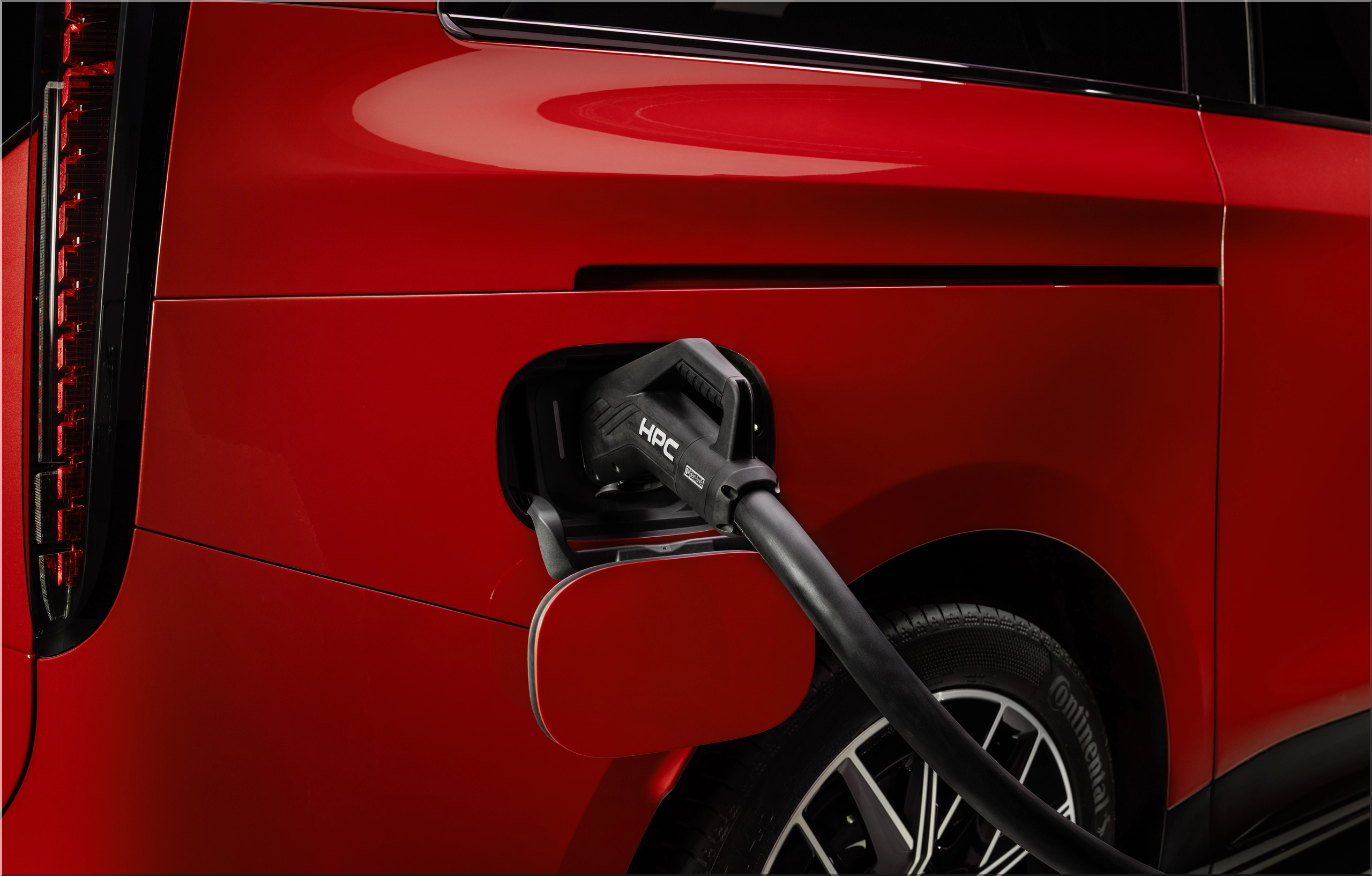
Specifically, Mercedes says the VLE will offer more than 700 km of WLTP range, which works out to roughly 435 miles. It also uses an 800-volt architecture and a 115 kWh usable battery, with the ability to add up to 355 km, or about 221 miles, in 15 minutes under the right fast-charging conditions. That is serious hardware for a vehicle whose job description includes hauling children, executives, suitcases, and the kind of carry-on bags that should have been checked hours ago.
Why Mercedes Built the VLE This Way
Mercedes did not build the VLE to chase novelty. It built it to address a hole in the market that luxury SUVs keep circling but never fully close.
A proper electric luxury van gives Mercedes packaging advantages an SUV cannot match. The floor can stay flatter. Passenger access improves. The second and third rows become usable by adults who enjoy having knees. Entry height stays friendlier. Cargo logic improves. By comparison, most three-row luxury SUVs still ask buyers to accept some combination of awkward third-row access, compromised luggage space, or ride quality tuned to make everyone feel sportier than necessary.
From an expert perspective, the VLE gives Mercedes a product with strong logic for several buyer groups:
- Large families that want real passenger room
- Chauffeur and hotel fleets that care about access and comfort
- Premium shuttle operators that want lower running costs
- Luxury buyers who have grown tired of pretending every school run requires an off-road image
The VLE does not need to act tough. It needs to work. That is a much harder job.
Mercedes-Benz VLE Key Specifications
The current official details already paint a clear picture of what Mercedes prioritizes.
| Specification | Mercedes-Benz VLE |
|---|---|
| Powertrain | Battery-electric |
| Architecture | 800-volt |
| Usable battery capacity | 115 kWh |
| WLTP range | More than 700 km / 435+ miles |
| Fast-charge gain | Up to 355 km / 221 miles in 15 minutes |
| Seating capacity | Up to 8 passengers |
| Turning circle | 10.9 m / 35.8 ft |
| Rear-axle steering | Optional |
| Air suspension | Optional AIRMATIC |
| Digital platform | MB.OS |
Consequently, the VLE looks less like an experiment and more like a targeted strike. Mercedes focused on the variables that matter in daily use: space, turning radius, charging speed, and ride composure. Horsepower headlines can wait their turn in the lobby.
The Chassis Tech Deserves Attention
Luxury vans live or die by how they behave in tight spaces and how they treat passengers over bad pavement. Mercedes appears to understand that better than most.
The VLE offers optional rear-axle steering, which cuts the turning circle to 10.9 meters, or 35.8 feet. That figure matters because long vehicles usually punish drivers in parking garages, hotel entrances, and urban drop-off lanes. Mercedes instead claims a turning circle in the same conversation as much smaller passenger cars. A large van that can maneuver without turning every parking maneuver into a public performance deserves respect.
In addition, Mercedes offers AIRMATIC air suspension and a navigation-linked ride-height strategy. That system can lower the body when conditions allow, improving aerodynamics and reducing energy demand. That is smart engineering. A van has the frontal elegance of an upscale refrigerator, so every aerodynamic gain counts.
Pro-Tips
- Watch charging speed, not only battery size. Big batteries sound impressive, but range added in 15 minutes affects real travel time.
- Watch turning circle figures. Large luxury vehicles become much easier to live with when they stop behaving like freight equipment.
- Watch seat flexibility. Up to eight seats gives the VLE stronger day-to-day value than many premium SUVs.
Cabin Strategy: Space First, Drama Second
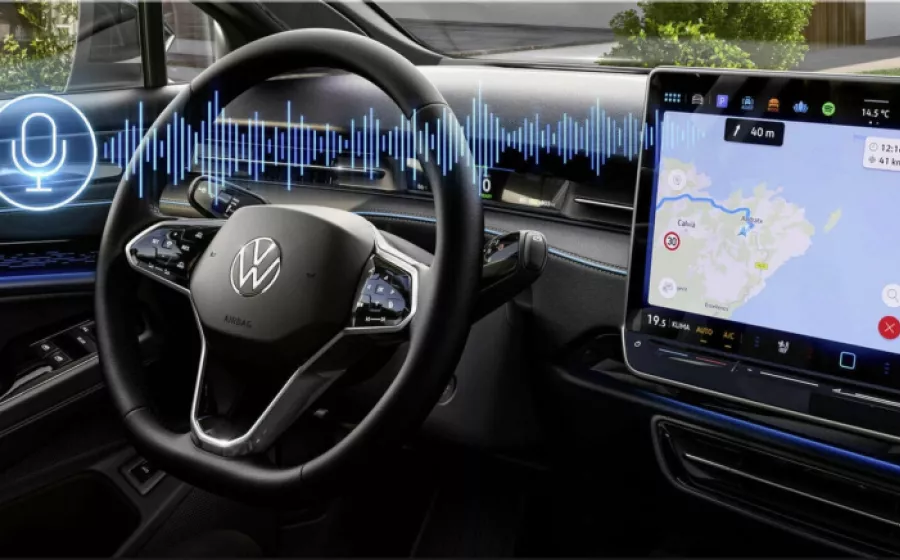
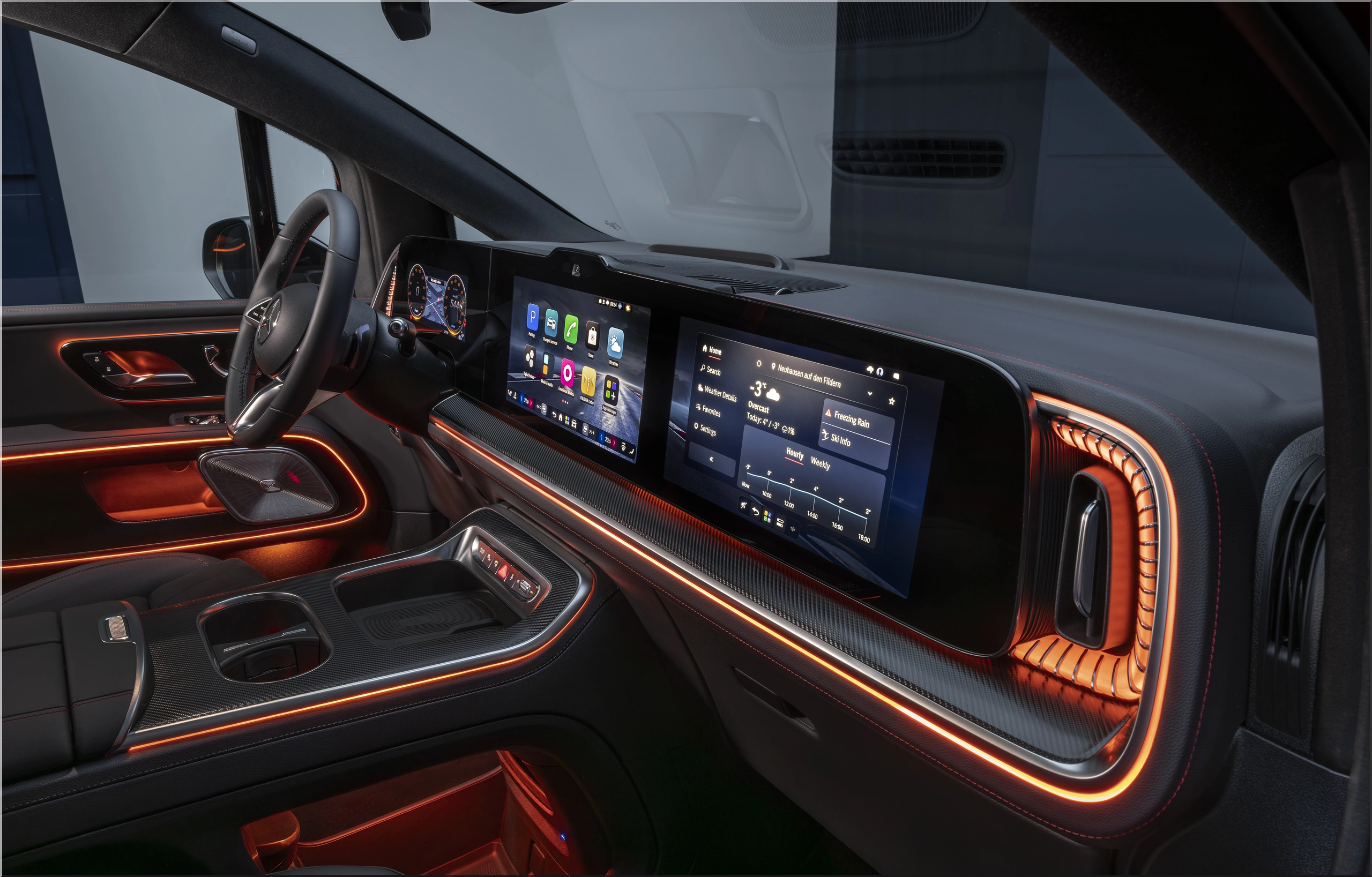
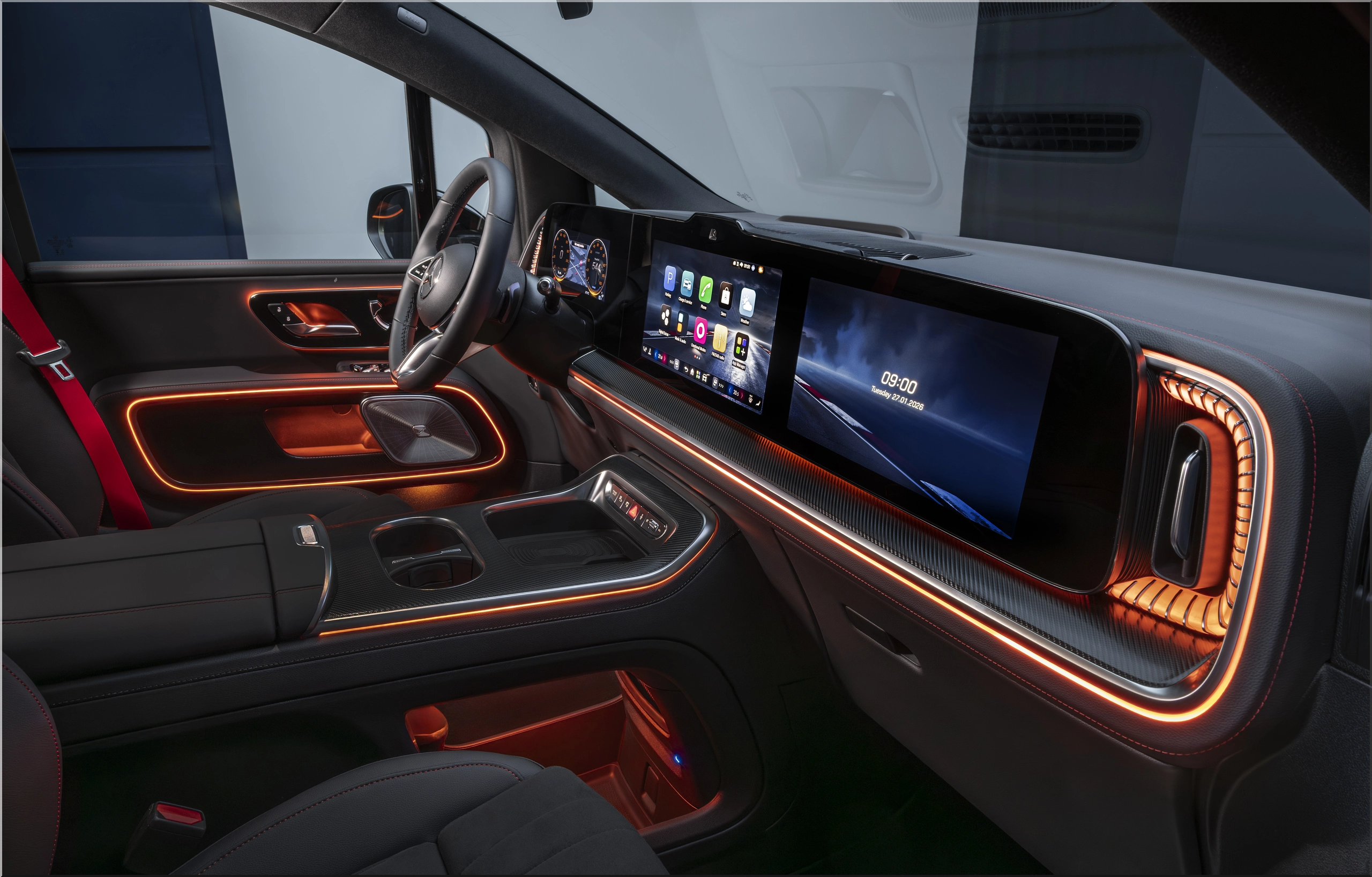
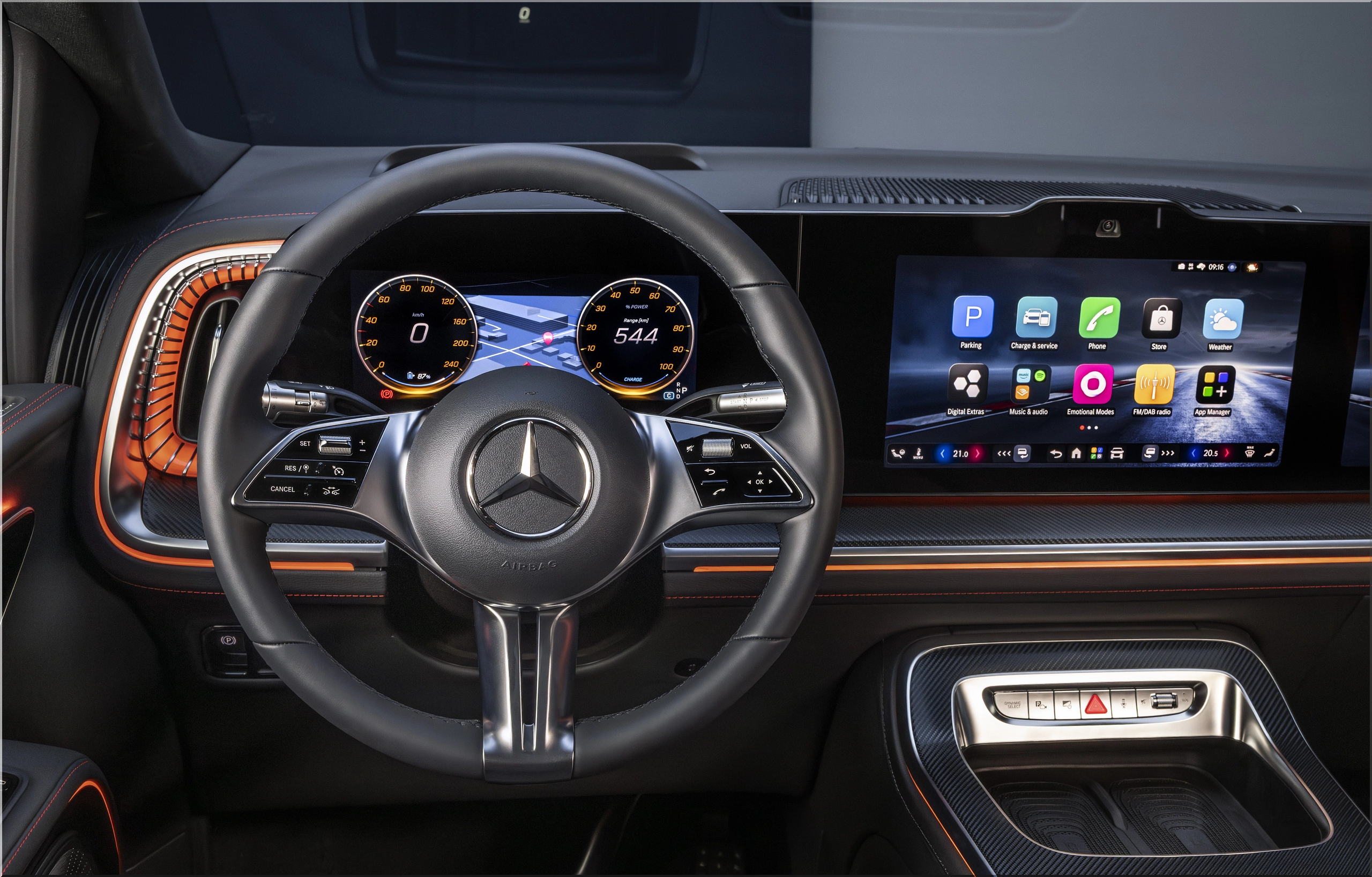
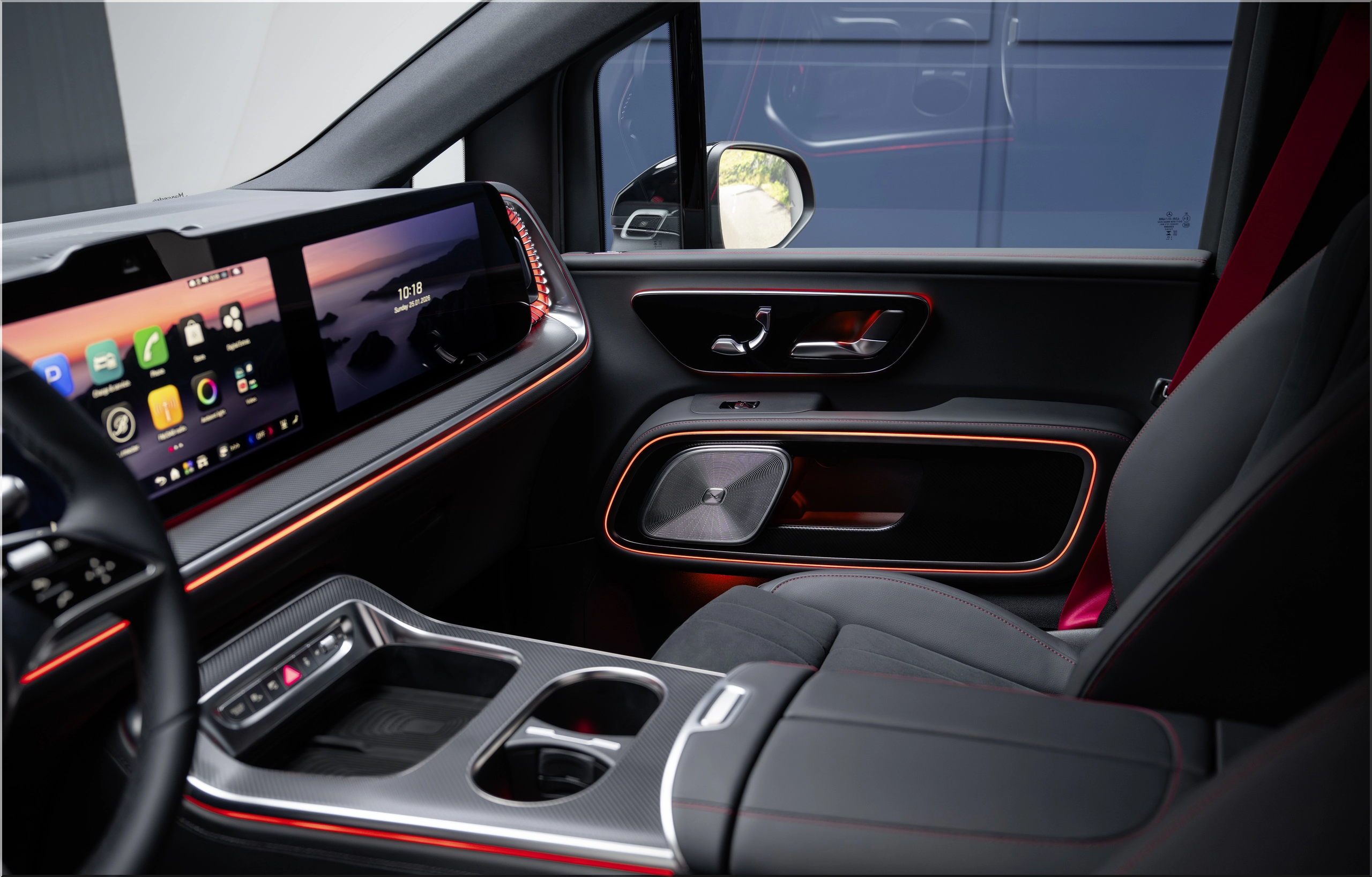
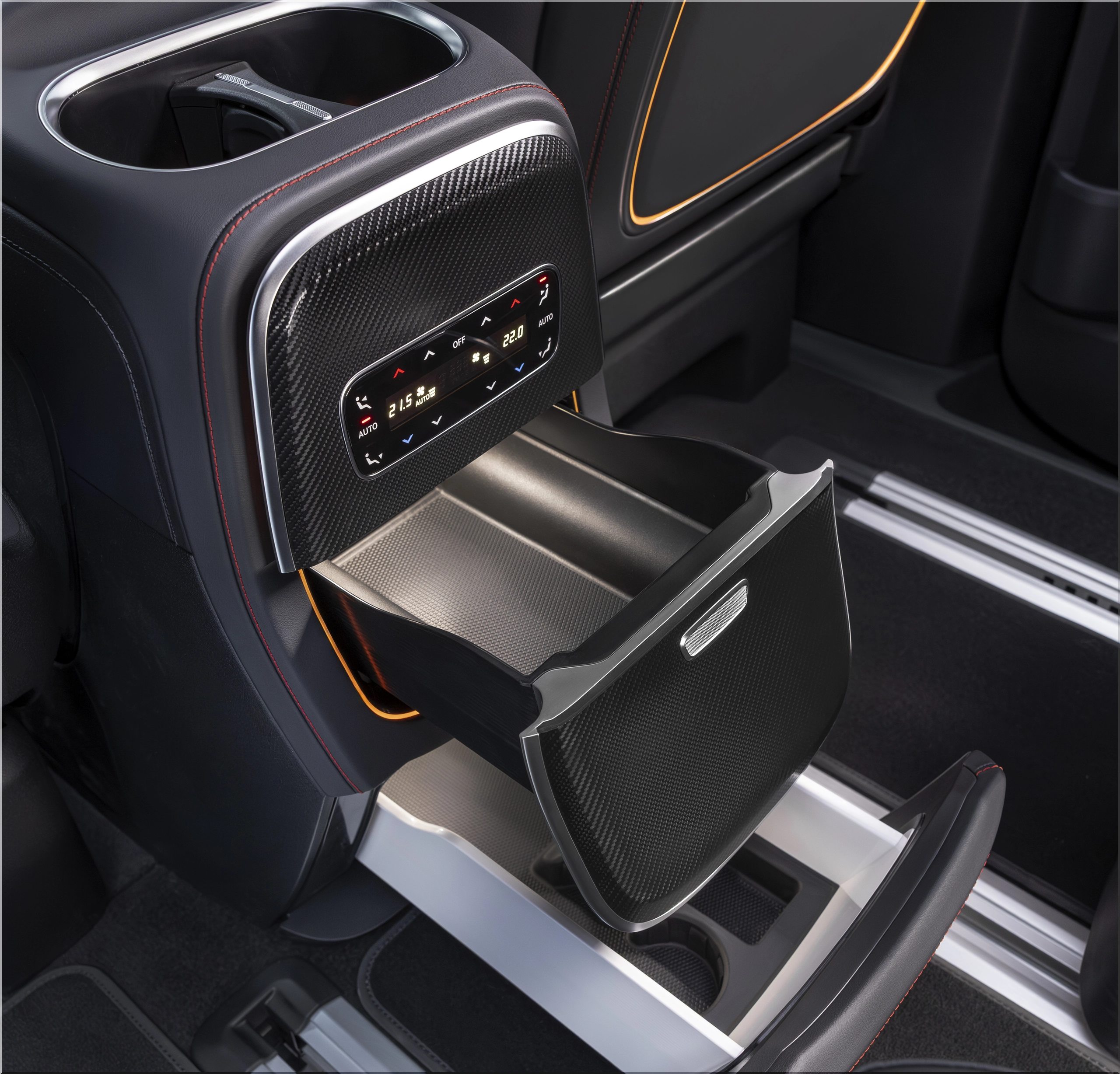
Mercedes plans to give the VLE the brand's latest digital treatment, including MB.OS and a large-screen layout that mirrors its newer premium models. That matters, but the packaging matters more.
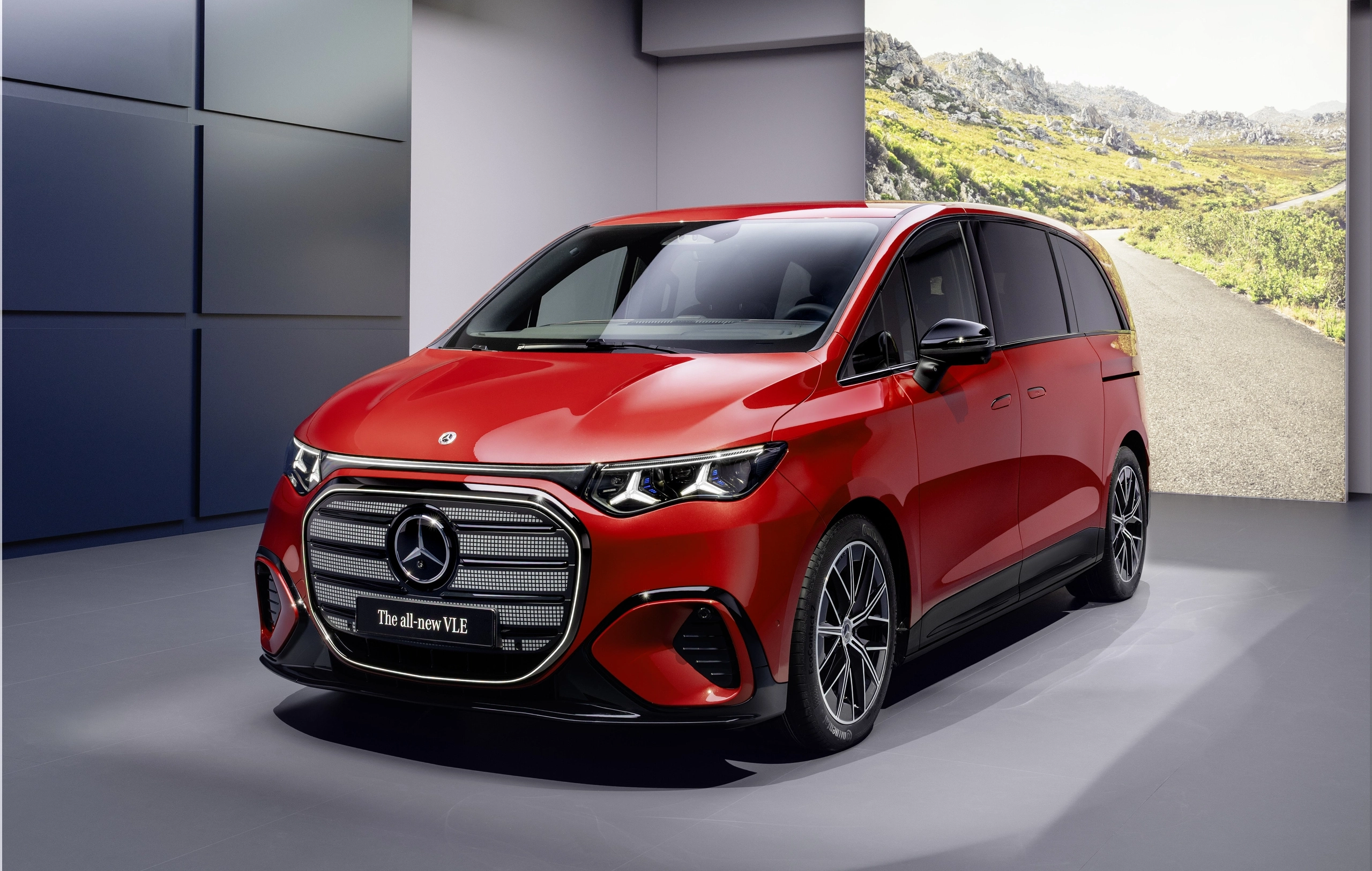
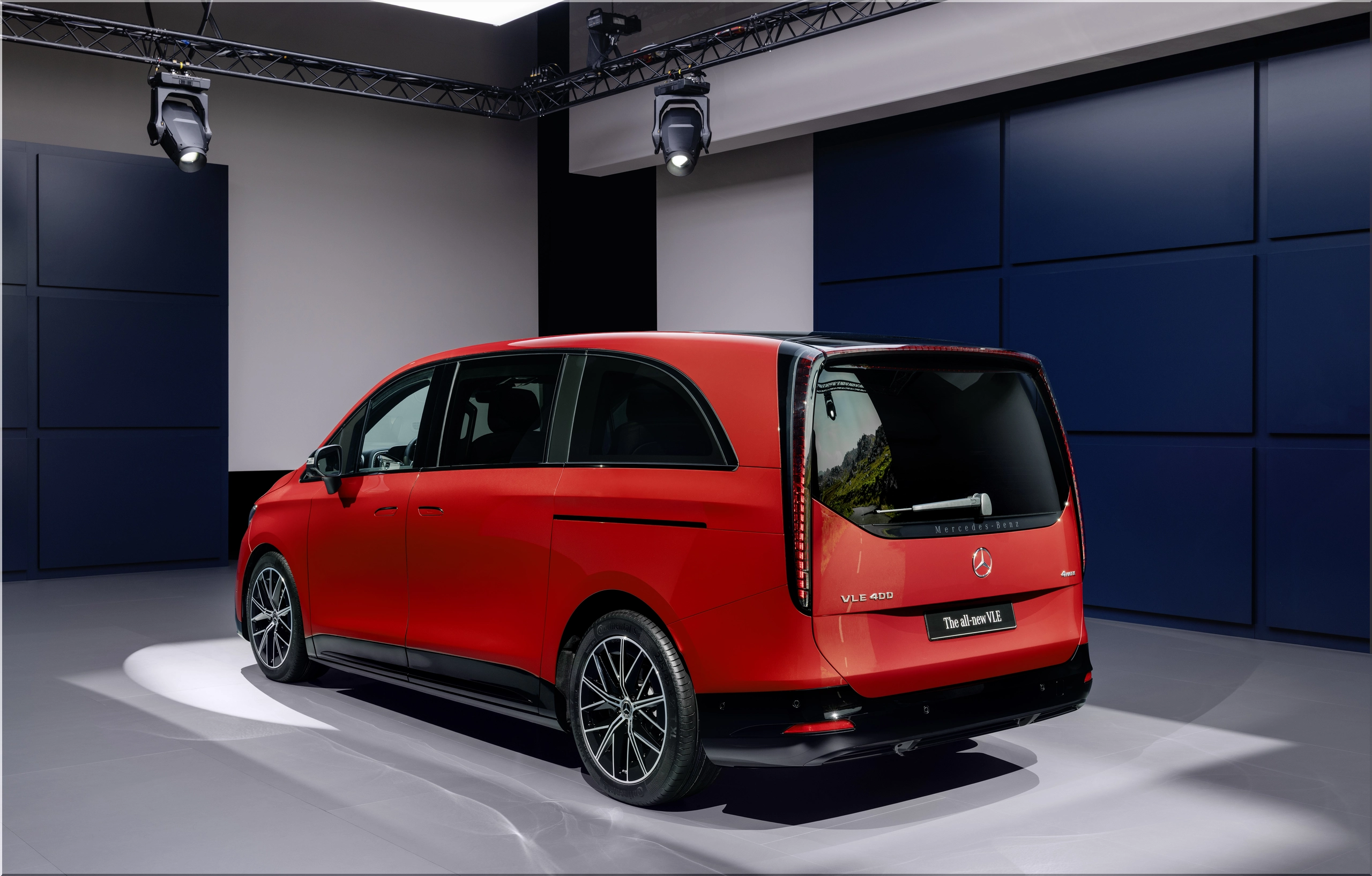
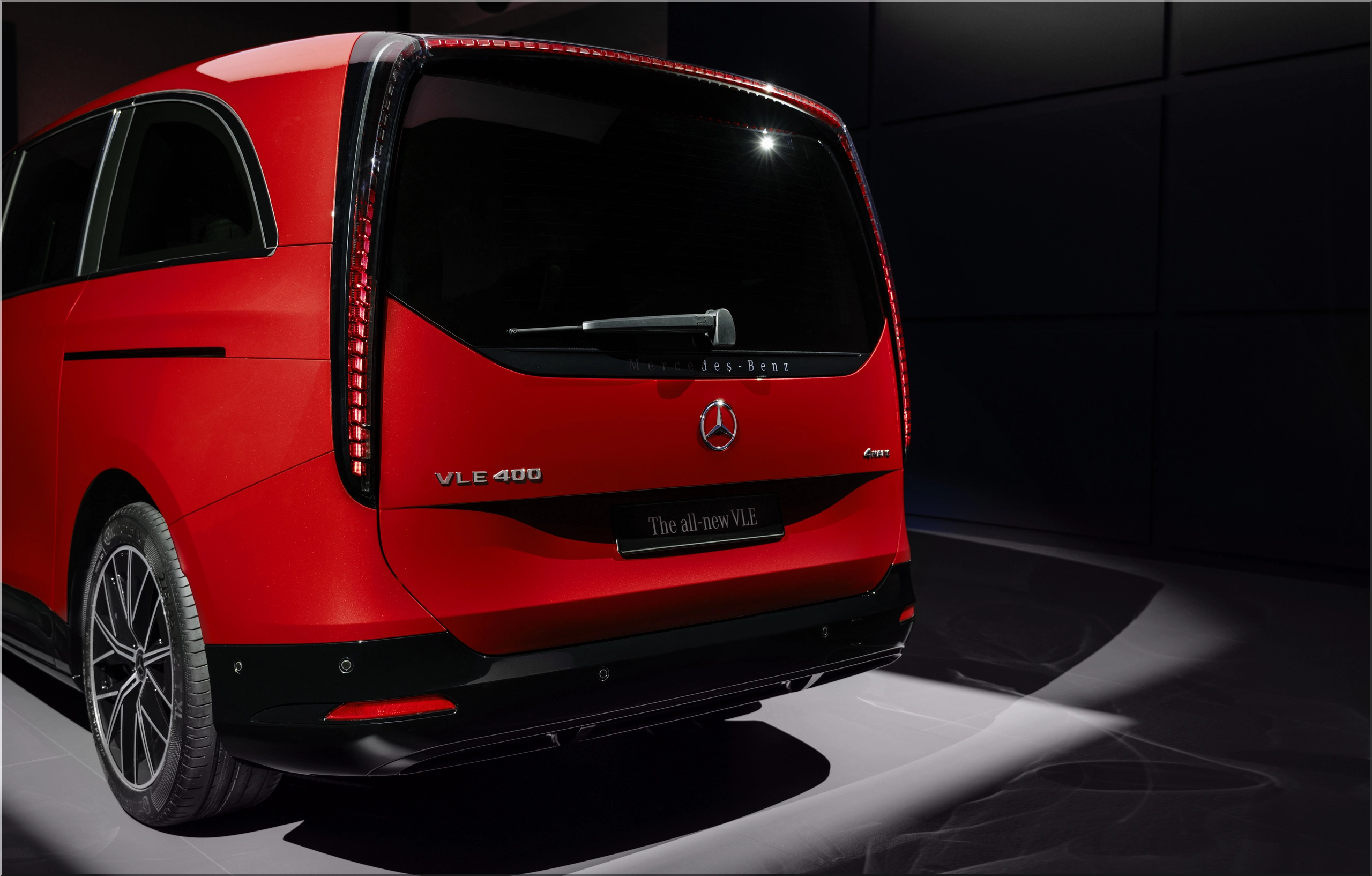
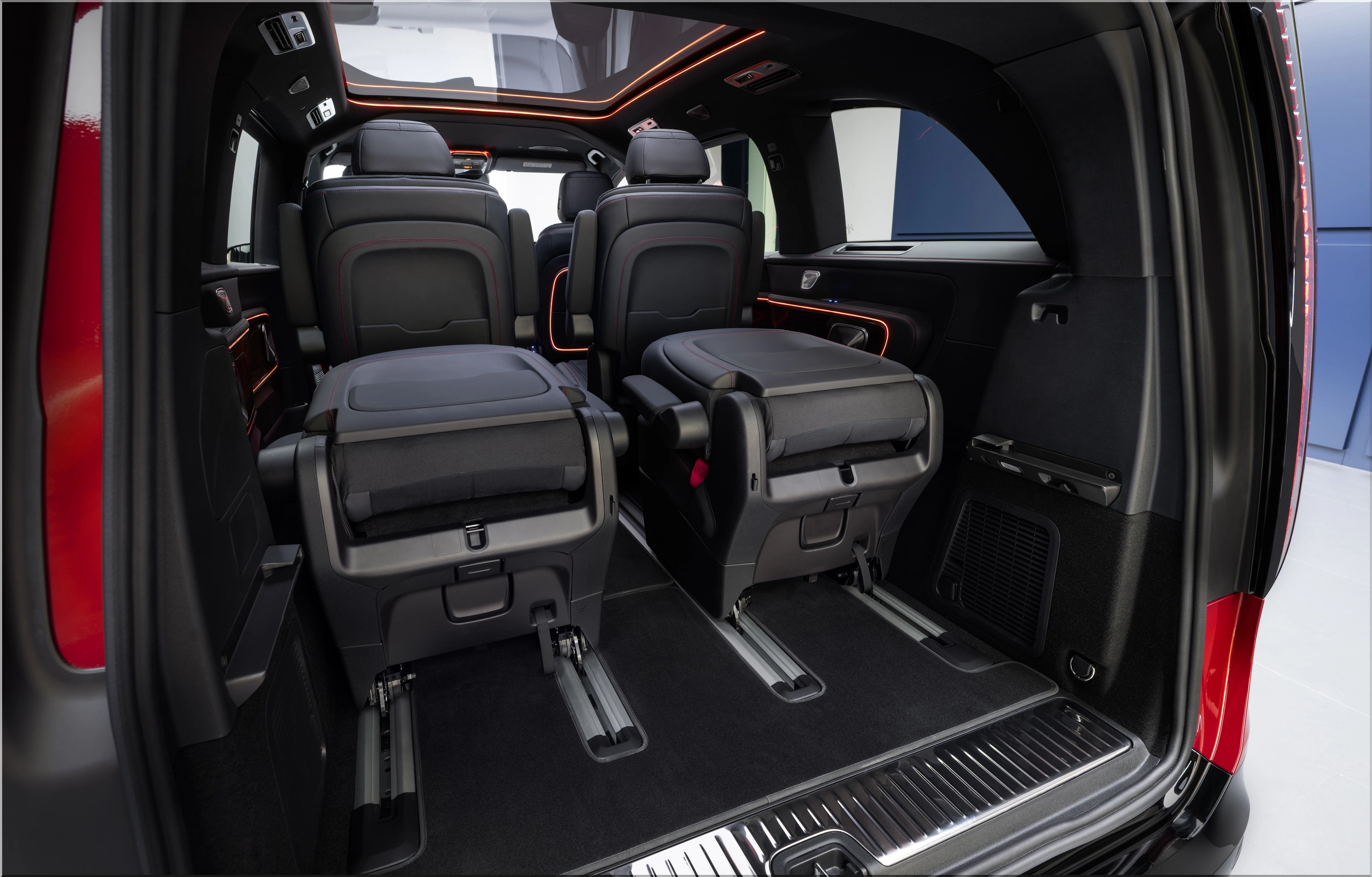
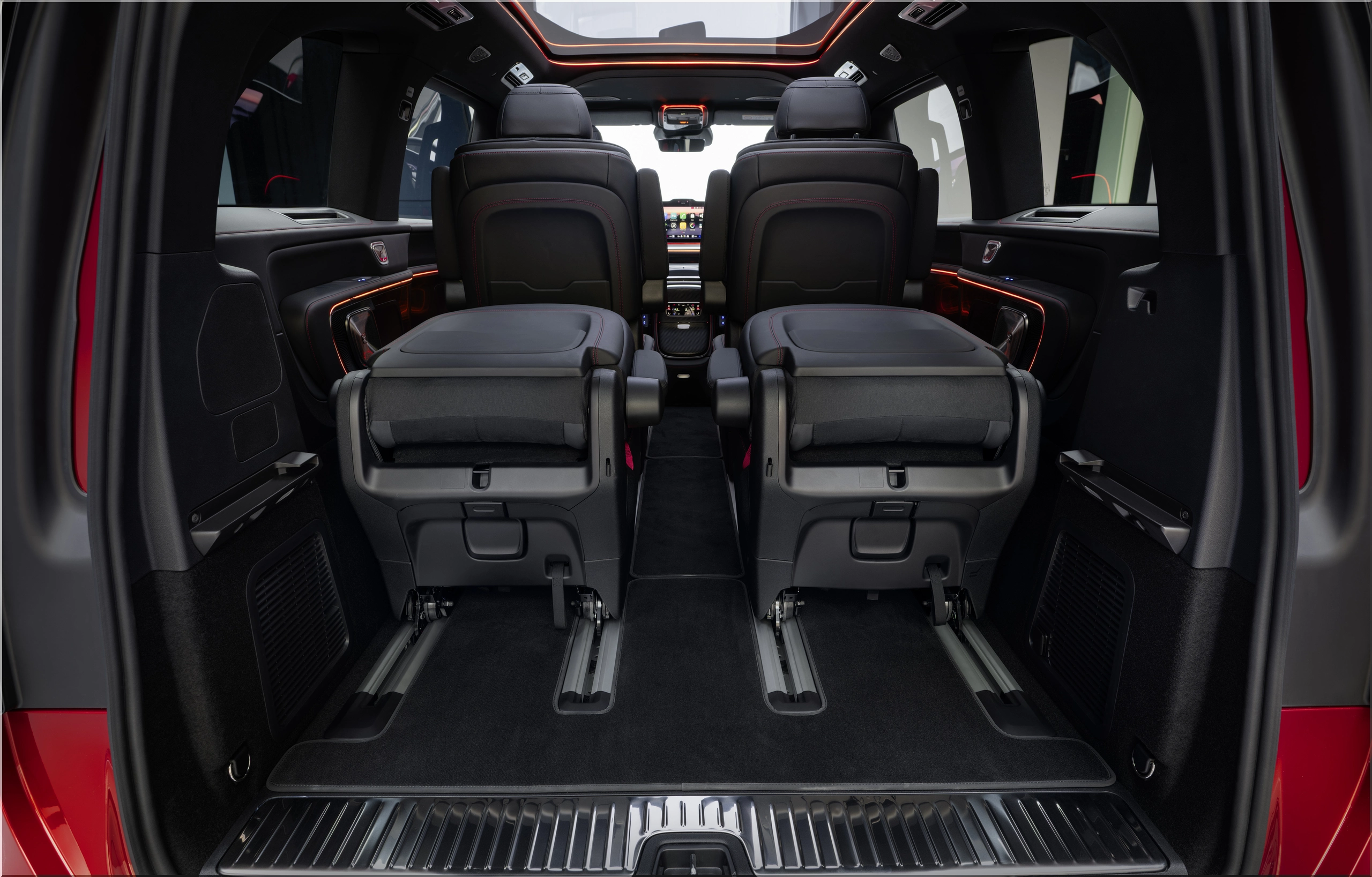
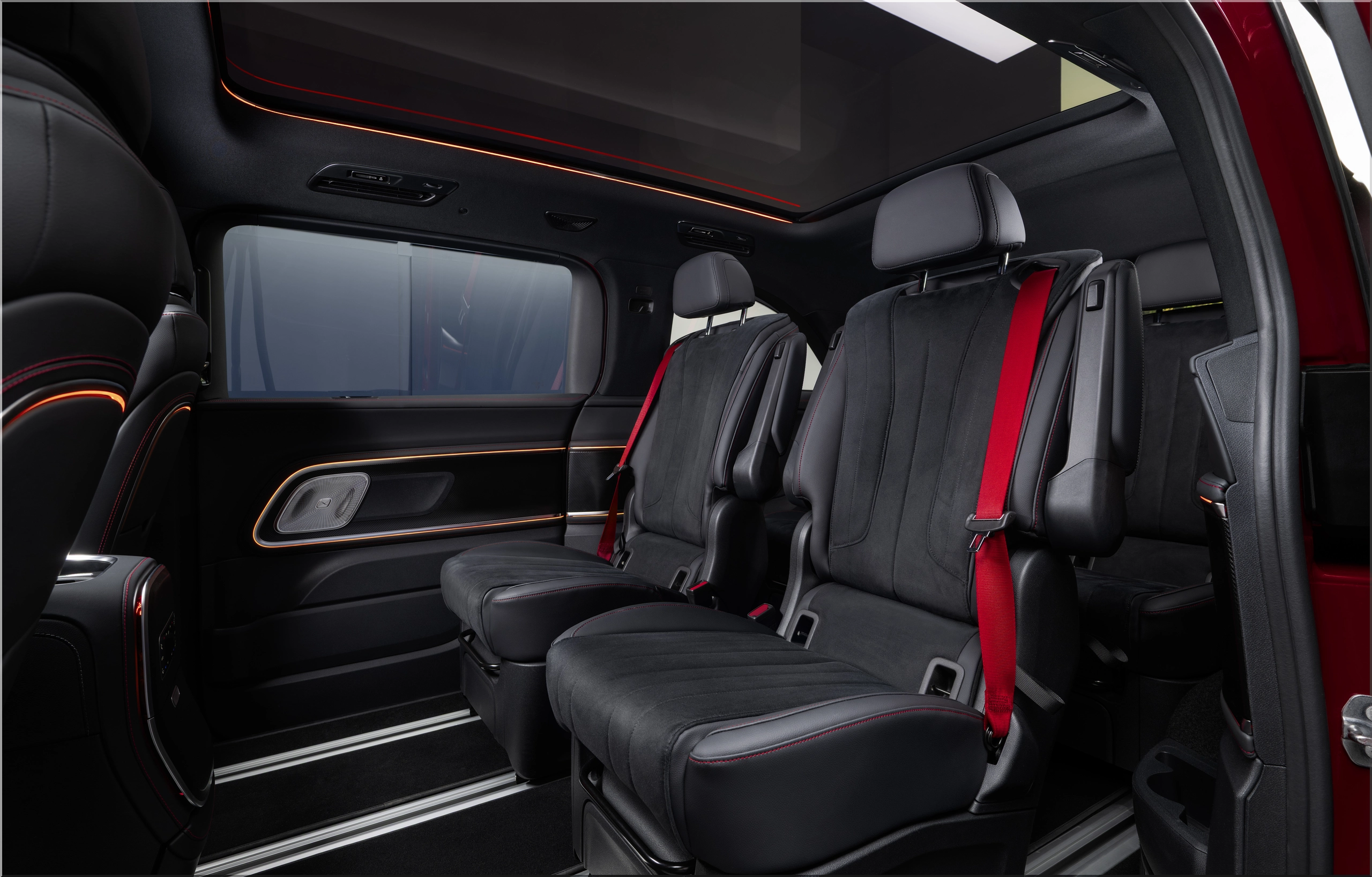
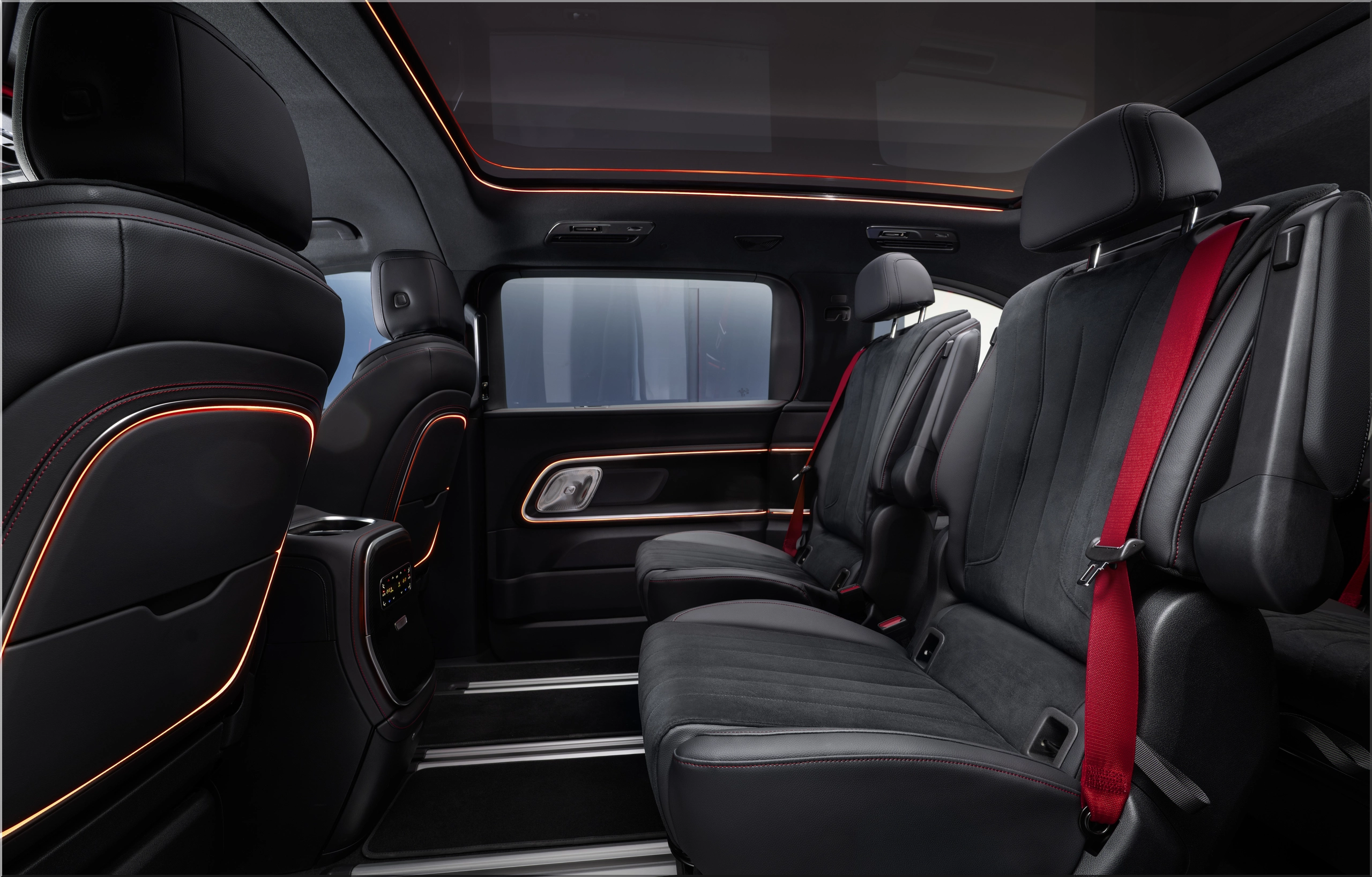
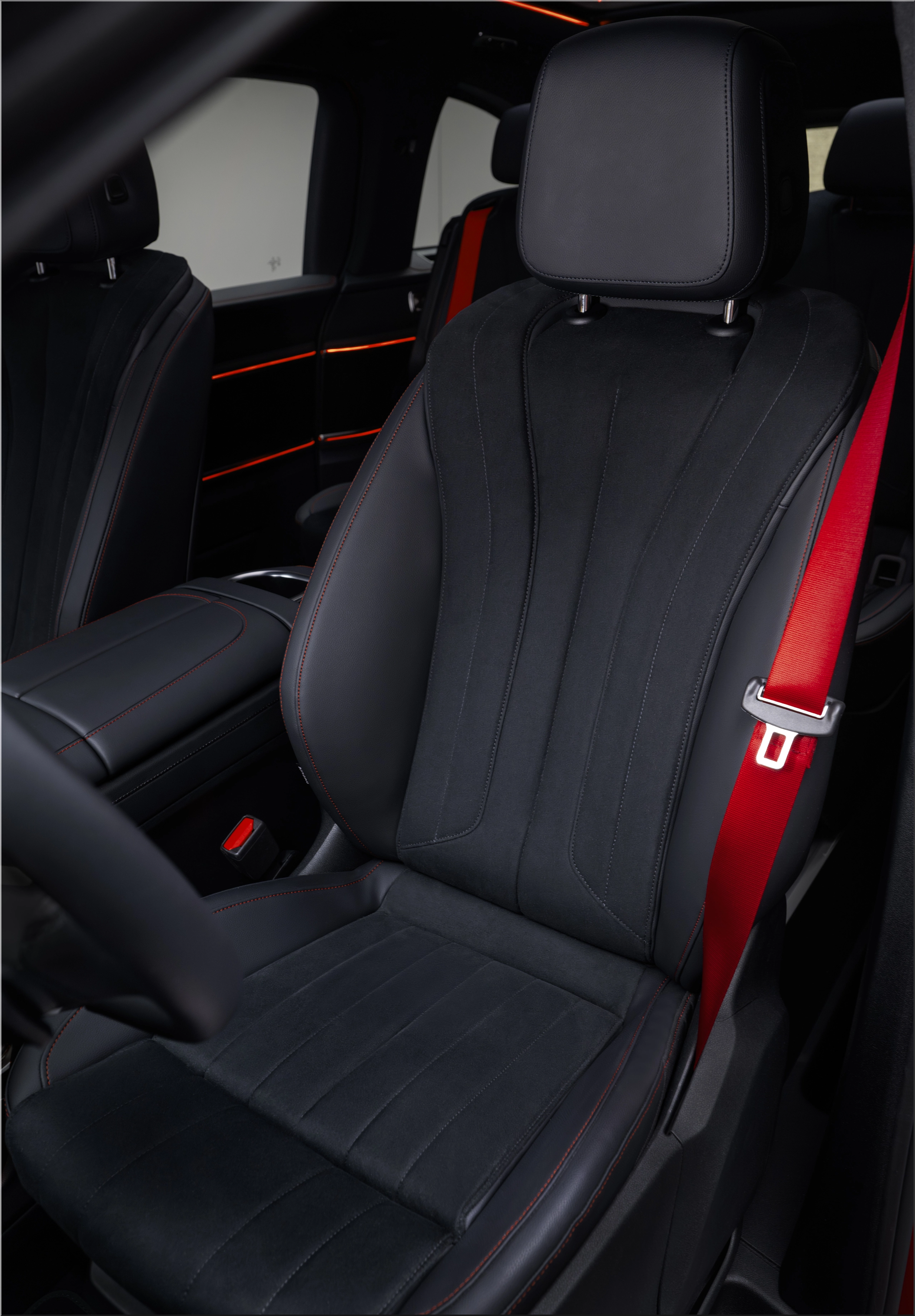
A van body gives the VLE a better foundation for passenger comfort than most SUVs. Sliding side doors make access cleaner in tight spaces. The floor height stays lower. Third-row usability improves. The cabin can support lounge-like layouts without eating cargo space alive. The result should feel less like a compromise and more like an honest luxury tool.
That is where the Mercedes VLE luxury van may score its biggest win. Buyers who spend time in the second and third rows rarely ask for a fake skid plate or an upright hood line. They ask for legroom, easy access, and a suspension that does not react to potholes like a courtroom objection.
Mercedes-Benz VLE vs Key Premium Alternatives
| Model | Powertrain | Seats | Range Type | Key Advantage | Key Weakness |
|---|---|---|---|---|---|
| Mercedes-Benz VLE | EV | Up to 8 | 435+ miles WLTP | Fast charging, luxury van packaging, advanced chassis tech | Full market specs still pending |
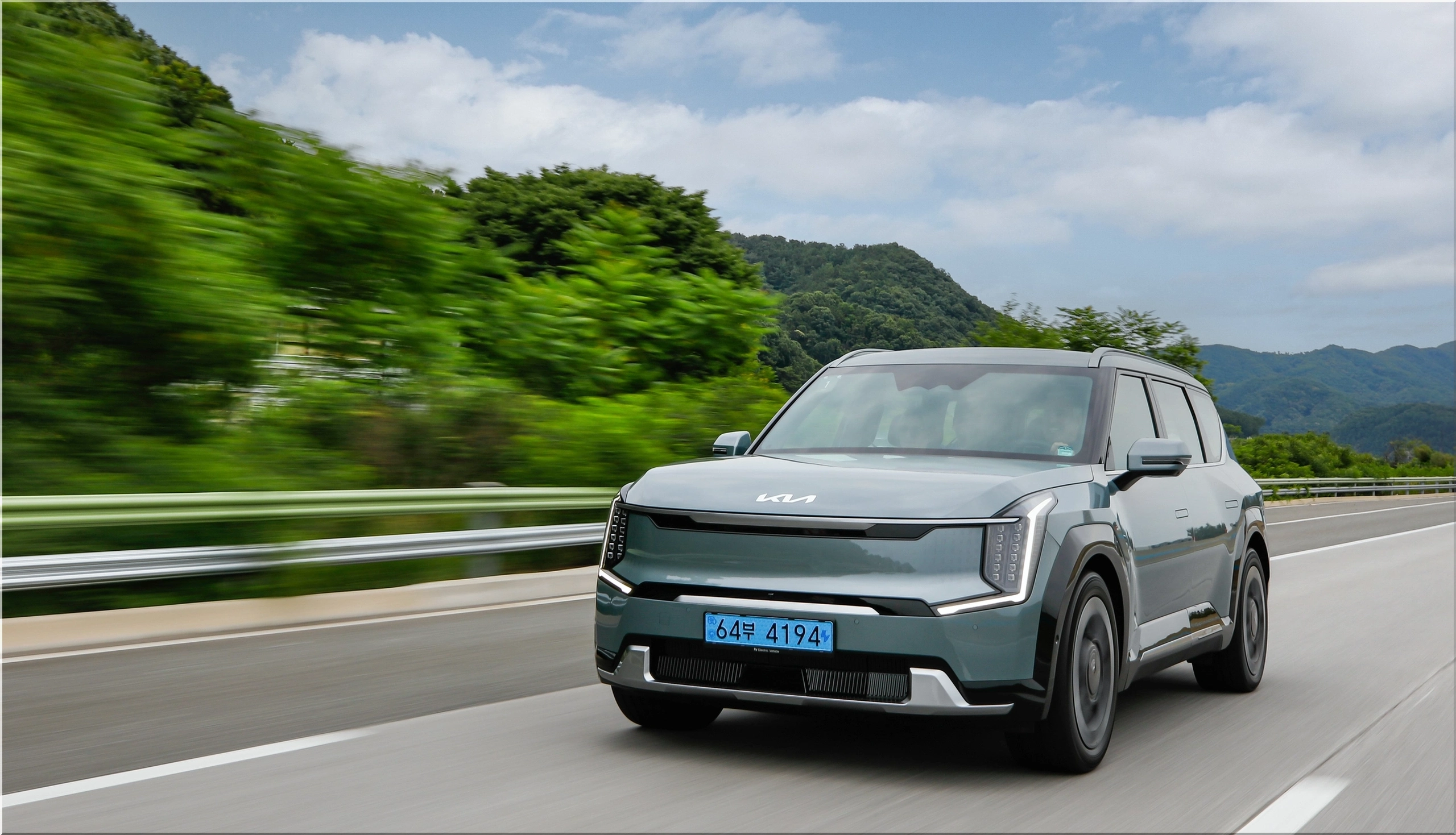
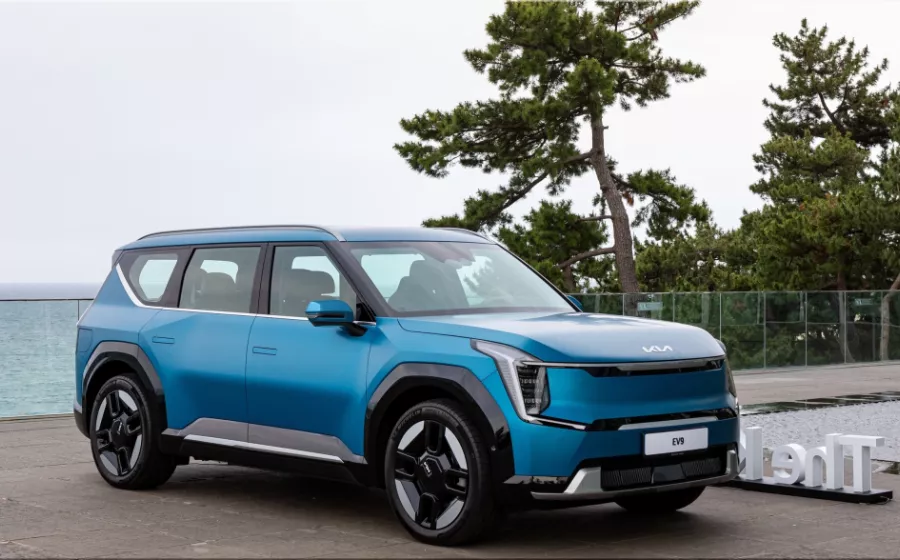
| Volkswagen ID. Buzz LWB | EV | 7 | Lower in available official figures | Character, family appeal, EV van layout | Less premium and less ambitious on luxury tech |
| Lexus LM | Hybrid | 4-7 | Hybrid efficiency | Rear-cabin comfort and executive focus | No full EV package |
| BMW ALPINA XB7 MANUFAKTUR | Mild-hybrid V8 | 7 | Gasoline | Power, brand cachet, luxury SUV image | Worse access, less efficient passenger packaging |
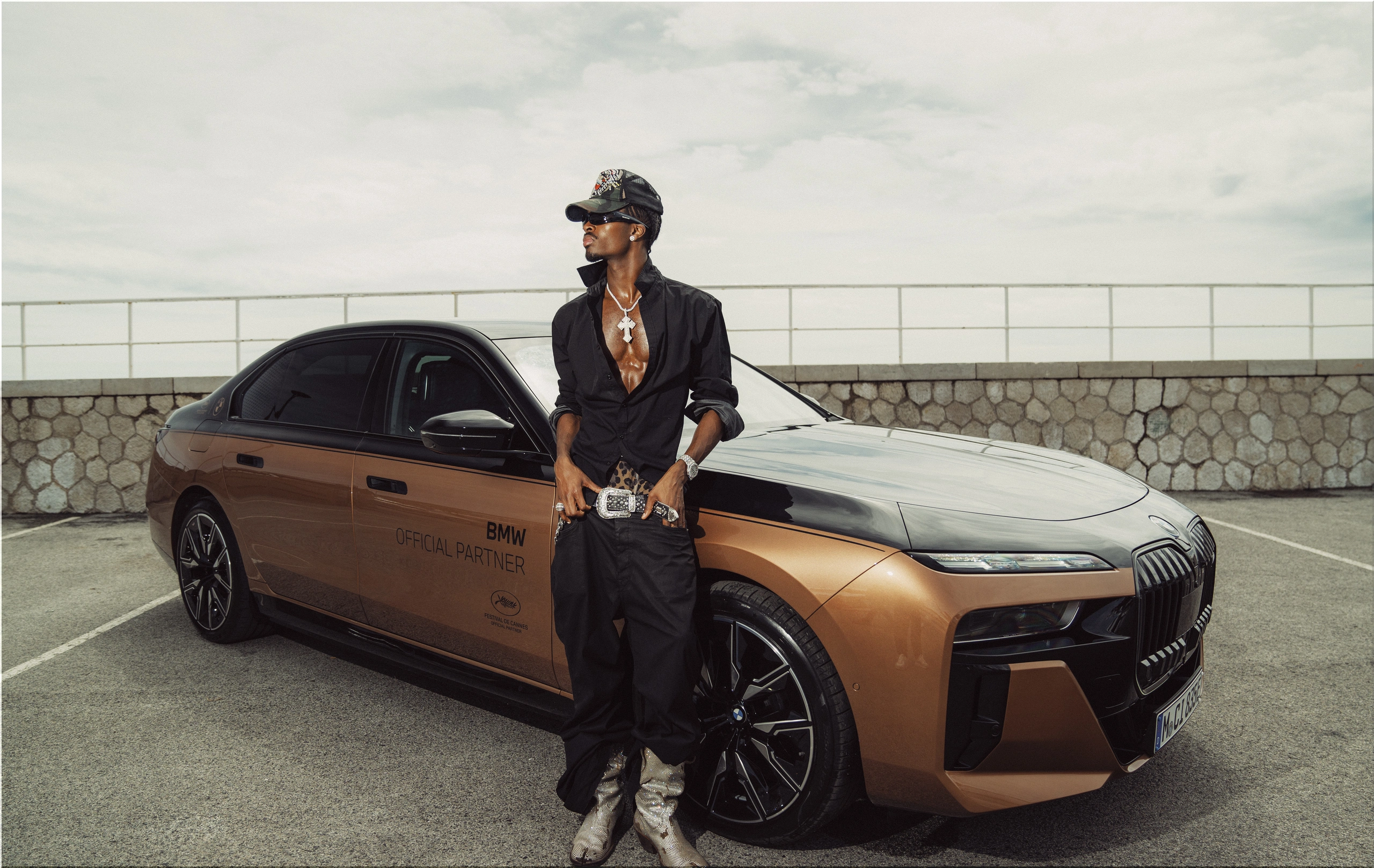
By comparison, the BMW ALPINA XB7 MANUFAKTUR plays a very different game. It offers big power, imposing style, and the usual high-performance SUV swagger. It also uses a tall SUV layout that cannot match a true van for ingress, cabin flexibility, or shuttle efficiency. The XB7 is a fine answer for buyers who want to arrive quickly and loudly. The VLE looks better suited to buyers who want everyone to arrive comfortably, on time, and without needing a chiropractor by the second charging stop.
The Lexus LM remains a strong luxury MPV reference point, but it does not bring the same EV-first hardware. The Volkswagen ID. Buzz understands charm and space, though Mercedes appears intent on operating at a much higher level of refinement and tech sophistication.
Why the VLE Could Change Buyer Behavior
Luxury buyers have spent years being told that the SUV is the answer to every transport question. Need family space? SUV. Need executive transport? SUV. Need seven seats and a sense of occasion? Also SUV. The VLE politely suggests that this script may have run a bit long.
Looking at the data, Mercedes now has a strong case for returning premium buyers to the van format. Not the bare-bones commercial van. The well-executed luxury van. One with 800V charging, real passenger space, modern software, and chassis systems designed to take the stress out of urban driving. That formula has sharper logic than yet another oversized SUV trying to play five roles at once.
What Now?
The all-new electric Mercedes-Benz VLE already looks like one of the most useful premium EVs on the horizon. It combines long range, fast charging, up to eight seats, and luxury-focused chassis tech in a package that treats passenger space as a priority instead of a side effect.
Buyers should keep an eye on three things as more details arrive:
- Final market dimensions and trim levels
- Charging performance in real conditions
- Interior seating layouts and second-row options
If Mercedes gets those pieces right, the VLE could pull buyers away from large luxury SUVs for one simple reason: it solves the job with less theater and more intelligence. In a segment full of vehicles trying very hard to look important, that feels refreshingly confident.
- Add new comment
- 41 views