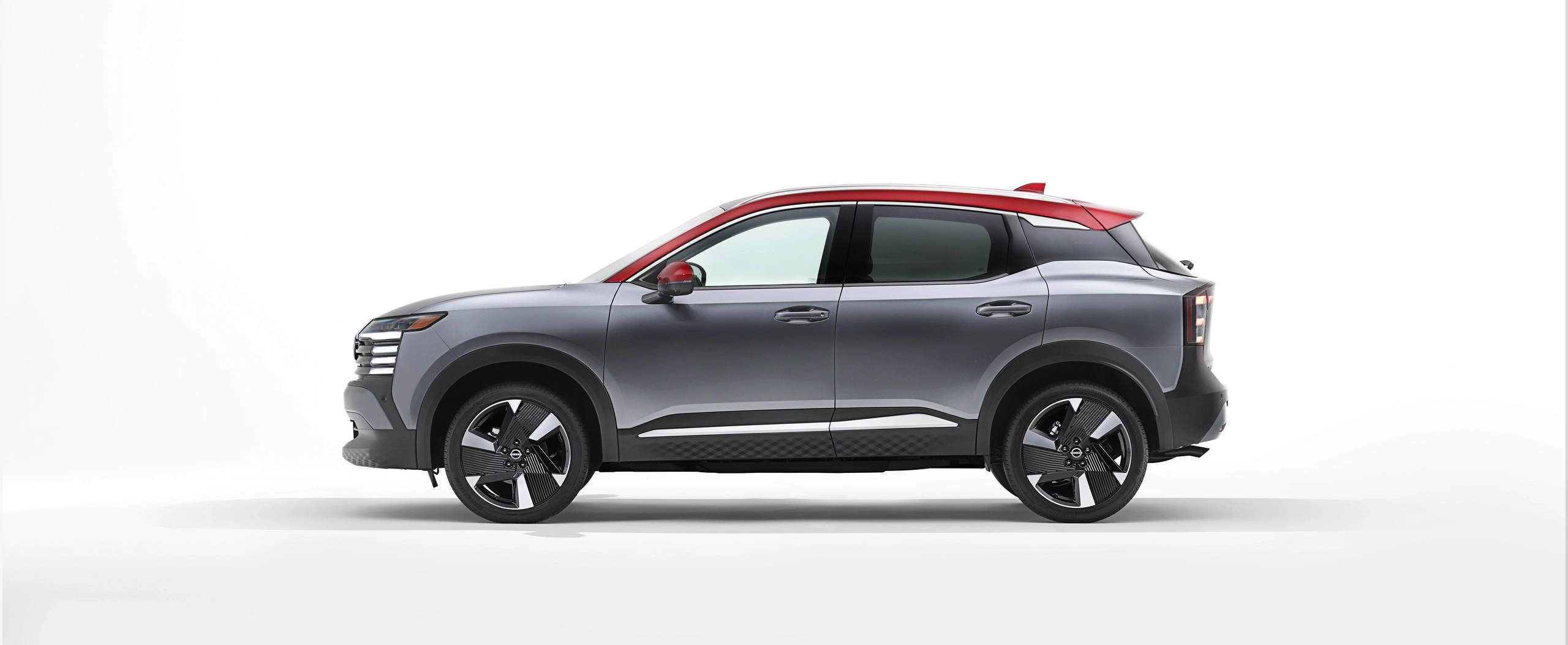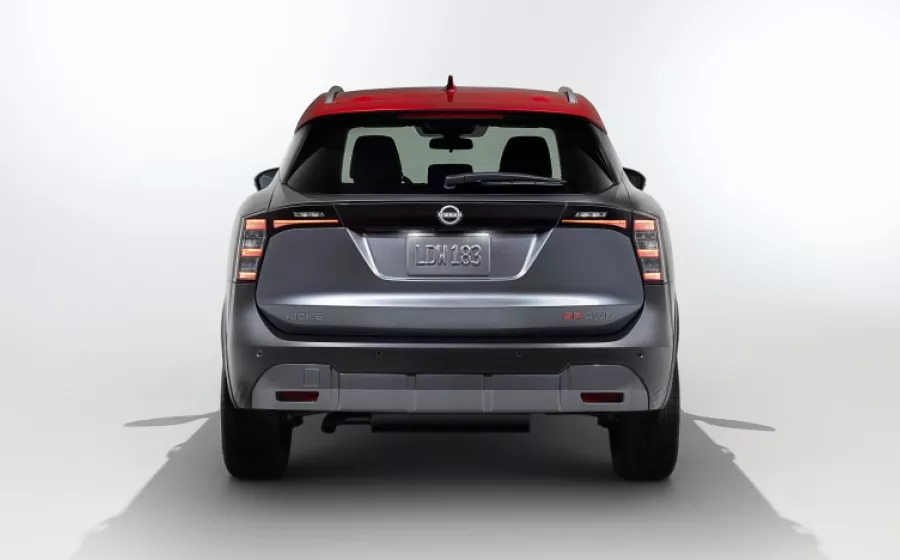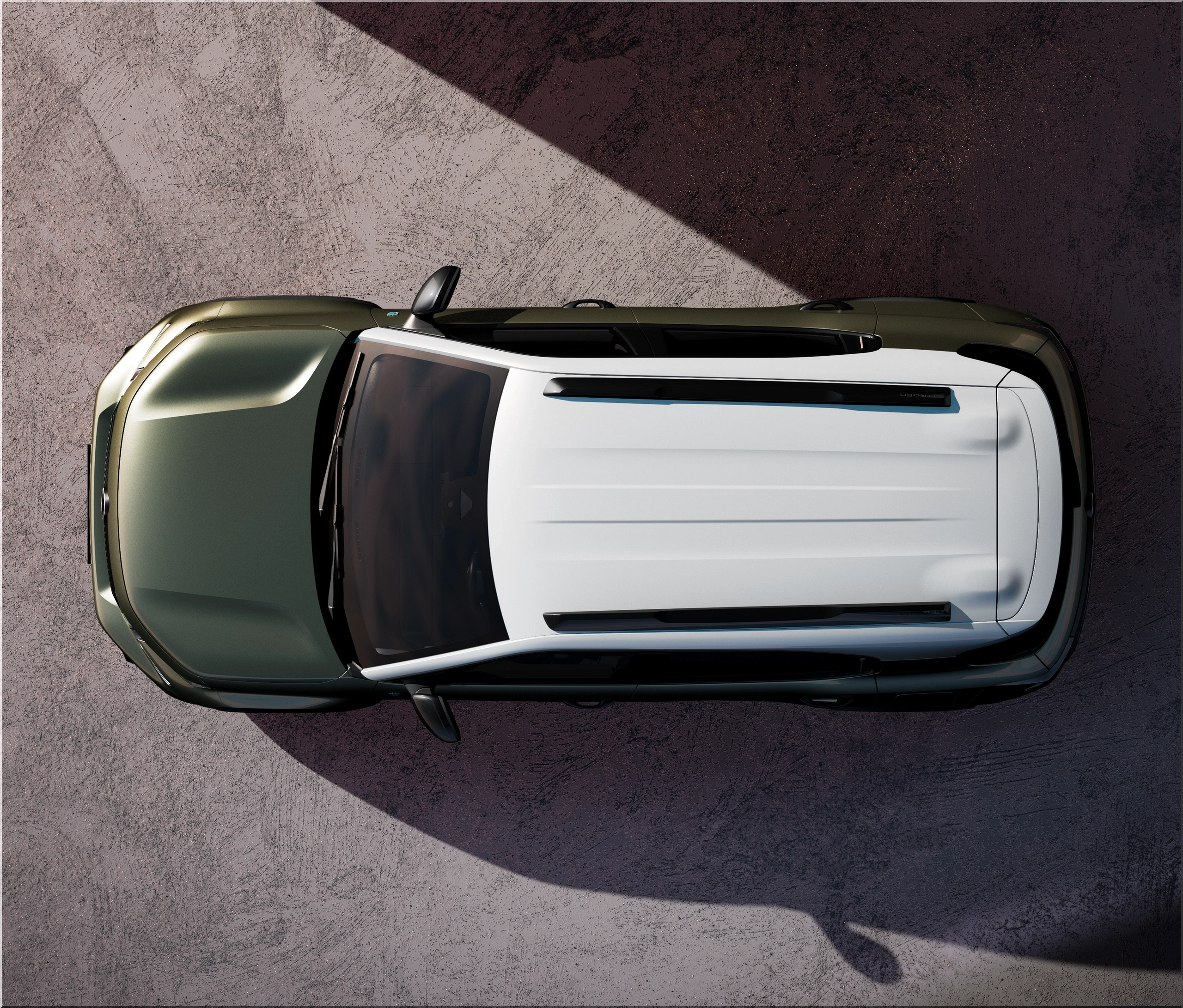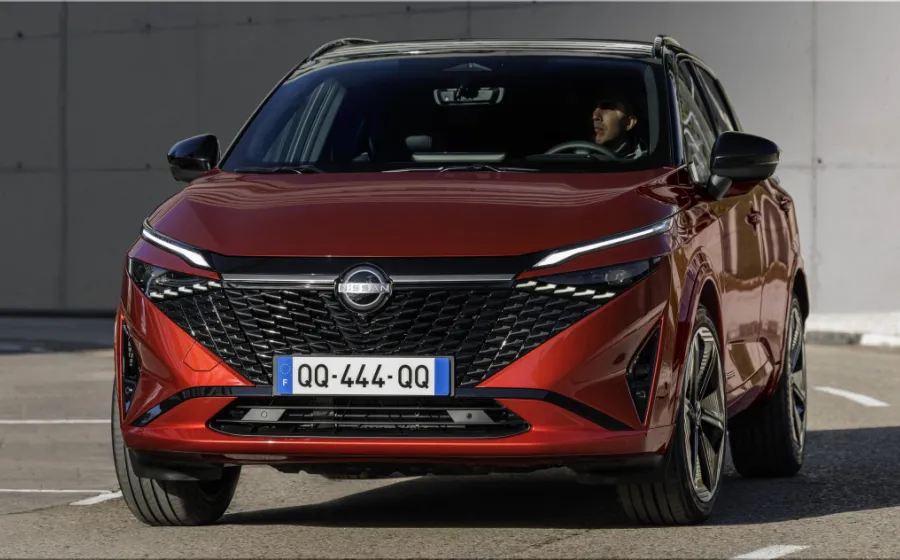
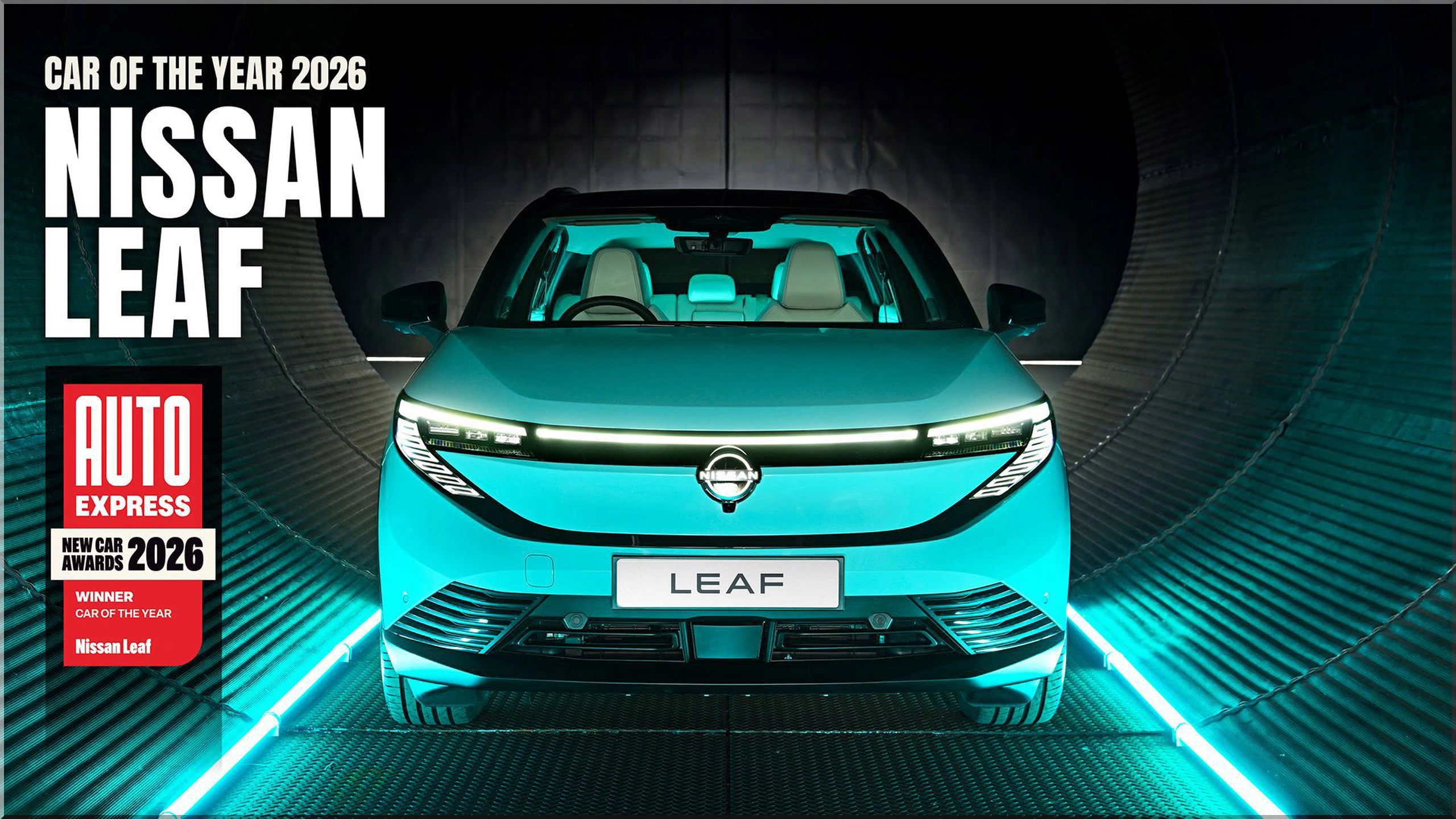
Auto Express has named the new Nissan LEAF its 2026 Car of the Year, and the award lands at the right moment for Nissan. The third-generation LEAF no longer plays the old compact hatchback role. Nissan has turned it into a compact electric crossover with stronger range, sharper packaging, and a pricing strategy that puts pressure on the Kia EV3, Skoda Elroq, Volkswagen ID.3, and Renault Scenic E-Tech.
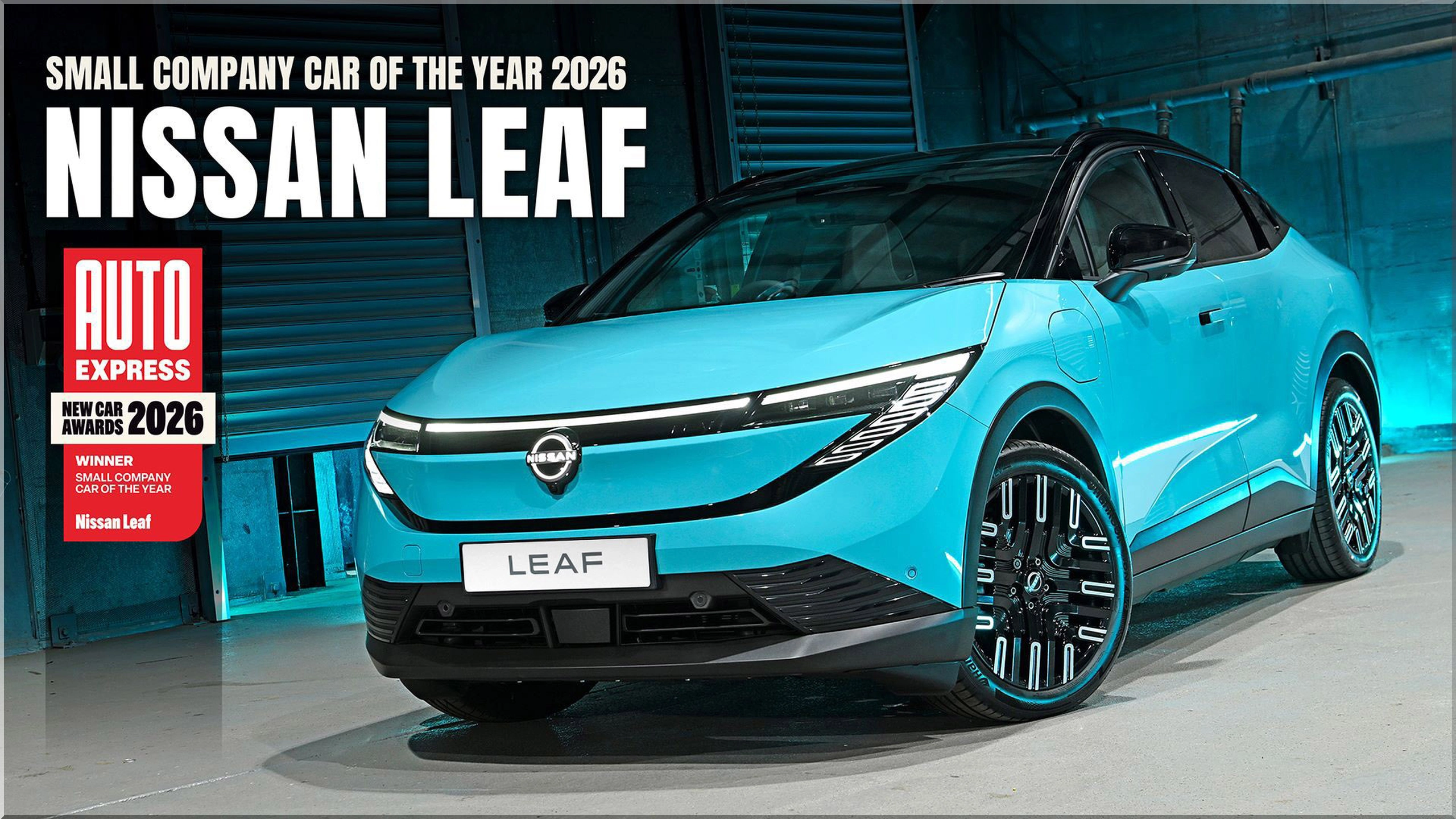
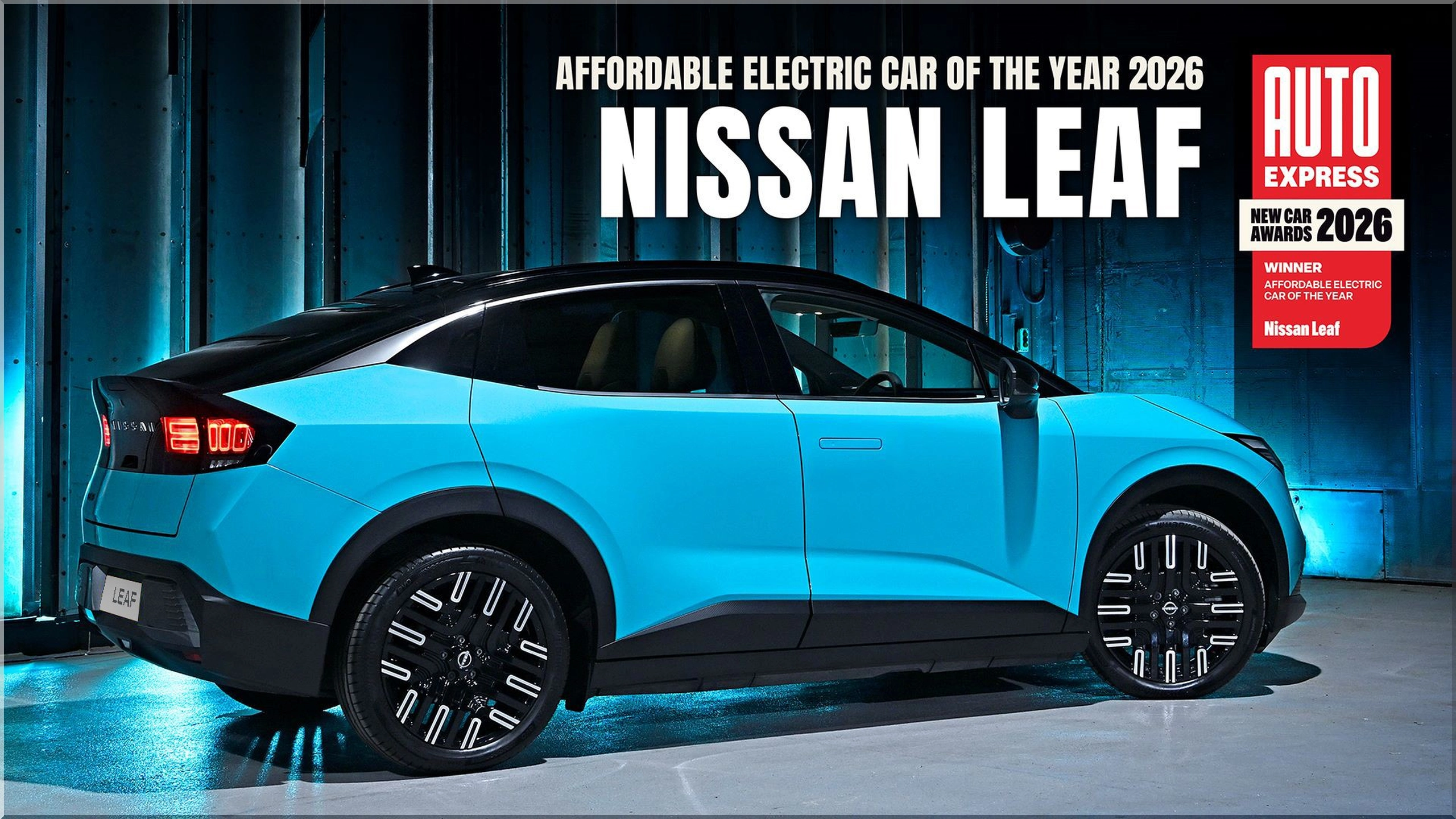
The win carries more weight because Auto Express also gave the 2026 Nissan LEAF two class wins: Affordable Electric Car of the Year and Small Company Car of the Year. That combination tells buyers and fleet managers one clear thing. The new LEAF now competes on purchase cost, usable range, cabin packaging, and company-car logic at the same time.
Looking at the data, Nissan did not win with one headline figure. It won with a balanced EV package.
Why the 2026 Nissan LEAF Won Auto Express Car of the Year
The Auto Express Car of the Year 2026 award rewards the LEAF's price-to-range ratio first. The 75 kWh LEAF offers up to 387 miles of WLTP range in the UK, while the new 52 kWh version gives buyers up to 280 miles WLTP at a lower entry price. Converted from the UK launch figure, the 52 kWh LEAF starts at about €33,700, using a late-July 2026 GBP-to-EUR exchange rate.
That matters. Many EV buyers no longer ask only for maximum range. They ask how much battery, charging speed, cabin space, warranty support, and daily usability they get per euro. The LEAF answers that question with a compact 4,350 mm body, a 2,690 mm wheelbase, and a 437-litre boot.
In addition, Nissan builds the new LEAF in Sunderland, supported by UK engineering input and the brand's EV36Zero strategy. That gives the car a local manufacturing angle in the British market and gives Nissan a stronger industrial story than many imported rivals.
2026 Nissan LEAF Technical Specs
The 2026 Nissan LEAF uses two battery choices. The smaller pack targets cost-sensitive private buyers, while the larger pack targets high-mileage users and fleet drivers who need longer highway reach.
| Specification | LEAF 52 kWh | LEAF 75 kWh |
|---|---|---|
| Battery capacity | 52 kWh usable class | 75 kWh usable class |
| Power | 130 kW / 177 PS | 160 kW / 217 PS |
| Torque | 345 Nm | 355 Nm |
| Drive layout | Front-wheel drive | Front-wheel drive |
| 0-100 km/h | About 8.3-8.6 sec | About 7.6 sec |
| Top speed | 160 km/h | 160 km/h |
| WLTP range | Up to 280 miles / 451 km | Up to 387 miles / 623 km |
| Max DC charging | 105 kW | 150 kW |
| AC charging | Up to 11 kW | 11 kW |
| Vehicle-to-Load | Market and trim dependent | Up to 3.1-3.6 kW market dependent |
Specifically, the 75 kWh version gives the LEAF its strongest business case. It pairs a 160 kW front motor with 355 Nm of torque, which gives the car quick urban response without pushing it into expensive performance-EV territory. Nissan keeps the output measured because range, tyre wear, insurance cost, and battery efficiency matter more in this segment than headline sprint numbers.
Size, Packaging, and Practicality
The new Nissan LEAF electric family car measures 4,350 mm long, 1,810 mm wide without mirrors, and 1,550 mm tall. In inches, that equals roughly 171.3 inches long, 71.3 inches wide, and 61.0 inches tall. The 2,690 mm wheelbase measures about 105.9 inches, which gives Nissan enough cabin length for five seats while keeping the car easy to park.
Cargo capacity supports the family-car pitch. The boot takes 437 litres with the rear seats up and up to 1,052 litres with the rear seats folded. Nissan also lists a maximum cargo length of 805 mm with the seats up and 1,585 mm with the seats folded, plus a maximum cargo width of 1,100 mm.
Key packaging numbers:
- Length: 4,350 mm / 171.3 in
- Width: 1,810 mm / 71.3 in
- Height: 1,550 mm / 61.0 in
- Wheelbase: 2,690 mm / 105.9 in
- Boot capacity: 437 litres
- Maximum boot capacity: 1,052 litres
- Front shoulder room: 1,450 mm
- Rear shoulder room: 1,385 mm
Consequently, Nissan has moved the LEAF away from the old hatchback buyer and closer to the compact crossover audience. The higher roofline, flat floor, and longer-wheelbase EV layout help the car serve family, fleet, and commuter use cases from one shell.
Charging, Battery Management, and Real-Use Logic
Nissan gave the new LEAF liquid-cooled battery hardware and stronger thermal control, a major technical shift from older LEAF generations. That change matters because DC charging speed depends on battery temperature as much as charger rating. A cold or overheated pack pulls less current, which extends charge stops and reduces real-road usefulness.
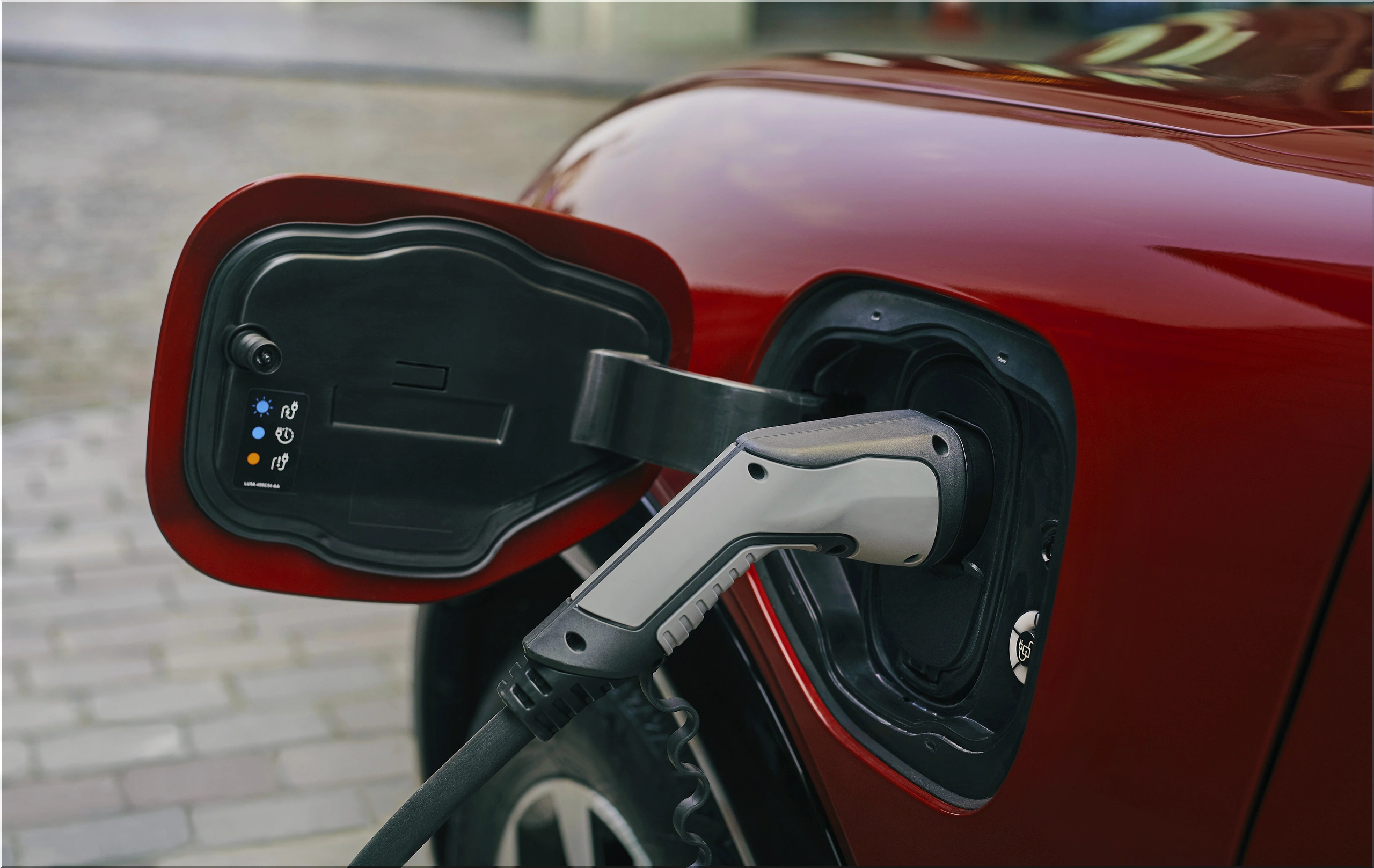
The 75 kWh LEAF accepts up to 150 kW DC charging and can add up to 273 miles in about 30 minutes under ideal conditions. The 52 kWh version uses a lower 105 kW DC peak, which suits its smaller pack and lower price. Both versions support the CCS charging standard in Europe.
From an expert perspective, Nissan made the right call by prioritizing thermal stability over a flashy peak charge number. A 150 kW peak that stays usable through a normal 20-80 percent session creates more value than a higher peak that drops sharply after a few minutes. Battery preconditioning through route planning also helps drivers arrive at a charger with the pack ready to take higher power.
Interior Tech and Driver Assistance
The All-New Nissan LEAF moves into a more software-led cabin. Depending on grade, buyers get dual NissanConnect displays, Google built-in, Google Maps route planning, over-the-air updates, and access to more than 70 in-car apps. The system can plan charging stops using route, battery level, and charger availability.
The driver-assistance package also strengthens the LEAF's fleet case. ProPILOT with Navi-Link can adjust speed with traffic, stop and restart in congestion, and use route data to anticipate curves and roundabouts. That matters for company users because fatigue reduction affects daily driver satisfaction.
Key cabin and safety tech includes:
- Dual digital displays, with larger screens on higher grades
- Google built-in with route planning
- Battery preconditioning linked to charging stops
- Remote charging and cabin pre-conditioning through NissanConnect
- ProPILOT with Navi-Link on selected grades
- 360-degree camera availability
- Heat pump availability
2026 Nissan LEAF vs Key Electric Rivals
By comparison, the LEAF competes directly with compact electric crossovers and family EV hatchbacks that target private buyers and salary-sacrifice users. The Kia EV3 offers a strong warranty and a larger long-range battery. The Skoda Elroq offers more boot space and rear-drive variants. The Volkswagen ID.3 counters with a familiar hatchback footprint and a wide battery spread.
| Model | Battery Options | Max WLTP Range | Entry Price Converted to Euros | Key Win | Key Loss vs LEAF |
|---|---|---|---|---|---|
| 2026 Nissan LEAF | 52 kWh / 75 kWh | Up to 387 miles / 623 km | About €33,700 UK-converted | Range-per-euro | Smaller boot than Elroq |
| Kia EV3 | 58.3 kWh / 81.4 kWh | Up to 375 miles | About €38,600 UK-converted | Warranty and long-range battery | Higher entry cost |
| Skoda Elroq | 55-84 kWh class | Up to 371-372 miles | About €39,000 UK-converted | Cargo volume and rear-drive choice | Less range than LEAF 75 kWh |
| Volkswagen ID.3 | 52-79 kWh class | Up to 371 miles | Market dependent | Compact hatchback size | Less crossover appeal |
The LEAF's main win comes from the 75 kWh car. It offers more WLTP range than the Kia EV3 and Skoda Elroq while keeping a lower launch price after grant in the UK. The Elroq counters with 470 litres of boot space and up to 1,580 litres with seats folded, so buyers who haul large cargo may still prefer the Skoda.
Which Nissan LEAF Should You Buy: 52 kWh or 75 kWh?
Buy the 52 kWh Nissan LEAF if your driving week centers on commuting, school runs, local errands, and occasional regional trips. It gives enough WLTP range for most private users, costs less up front, and still carries the design, cabin, and safety gains of the new generation.
Pick the 75 kWh Nissan LEAF if you drive long motorway routes, claim business mileage, or want fewer charging stops across the year. The larger pack does more than increase range. It also raises DC charging power to 150 kW and gives the car stronger resale logic in a market where used EV buyers compare range first.
Pro-Tips for Buyers
- Choose the 75 kWh battery if you cover more than 20,000 km per year or take frequent highway trips.
- Choose the 52 kWh battery if you charge at home and drive mostly inside one region.
- Check heat pump availability because cold-weather efficiency can affect winter range.
- Compare boot volume against your real cargo needs, not only the WLTP range.
- Price the car after grants and finance terms, because the LEAF's strongest value case depends on the final transaction cost.
The Strategic Logic Behind Nissan's New LEAF
Nissan needed the third-generation LEAF to do two jobs. It had to defend the nameplate's EV history, and it had to compete with newer, sharper electric family cars. The brand solved that by replacing the old hatchback profile with a crossover-style body, adding a larger battery, improving thermal management, and cutting the entry point with a 52 kWh version.
The result gives Nissan a stronger answer to buyers who want EV value without moving to a budget-only brand. The 2026 Nissan LEAF now combines long range, compact dimensions, usable cabin space, and proven name recognition. Auto Express rewarded that balance, not one isolated number.
For buyers, the decision looks simple. The 52 kWh LEAF serves urban and suburban drivers who want an affordable electric car with low running costs. The 75 kWh LEAF gives higher-mileage users one of the strongest range-per-euro equations in the mainstream EV class.
- Add new comment
- 58 views