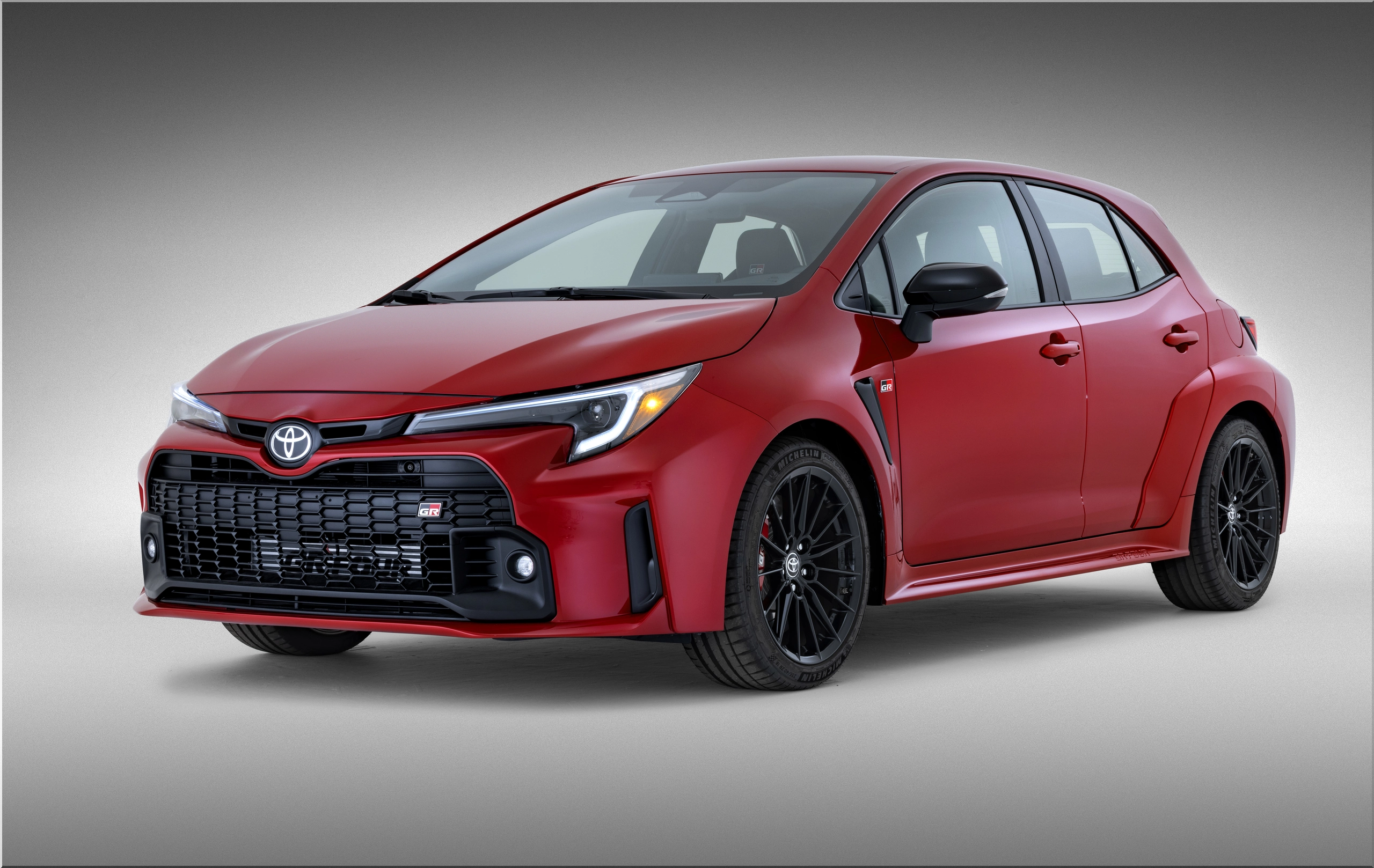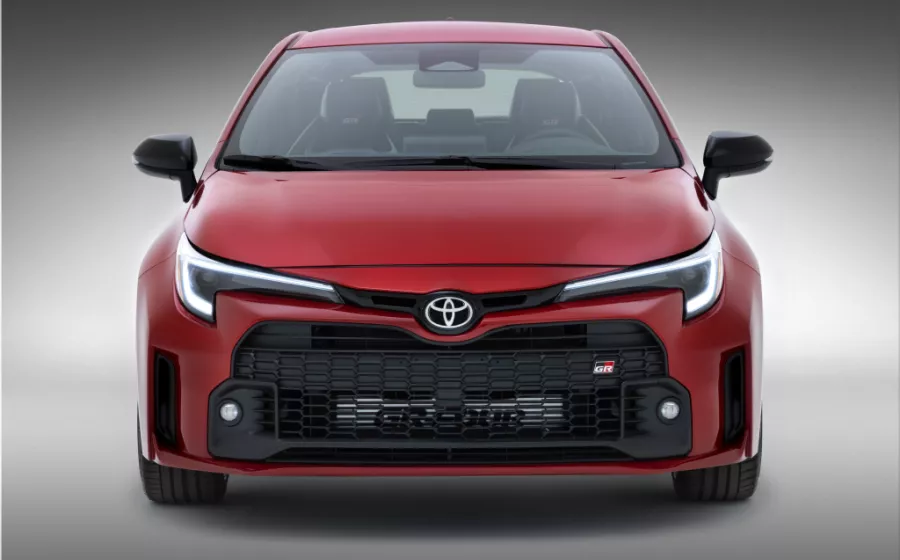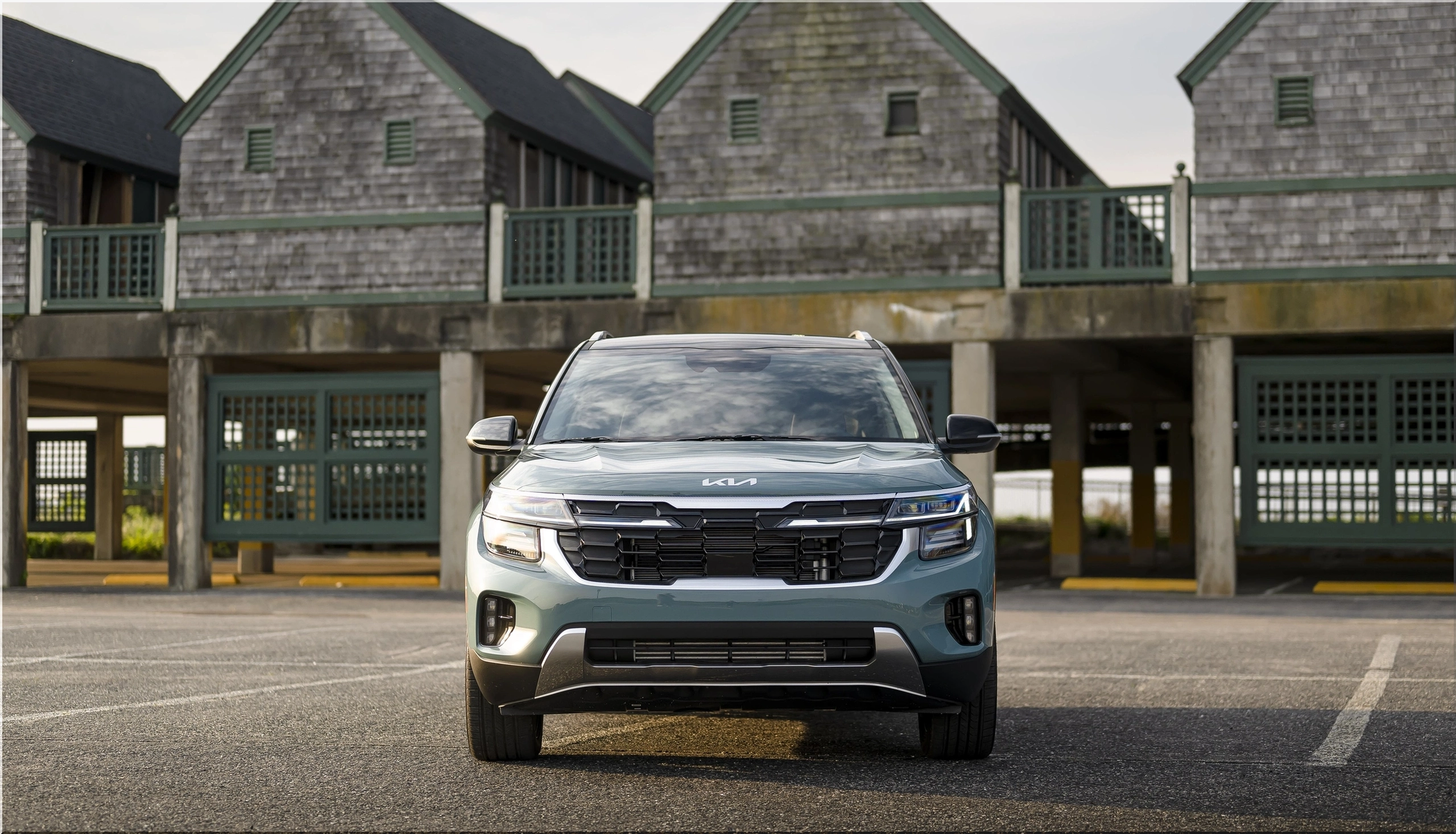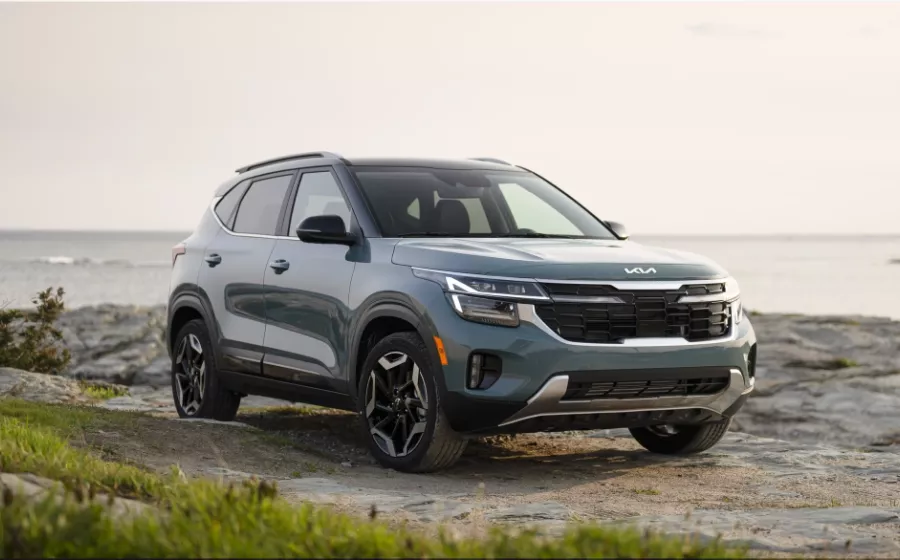
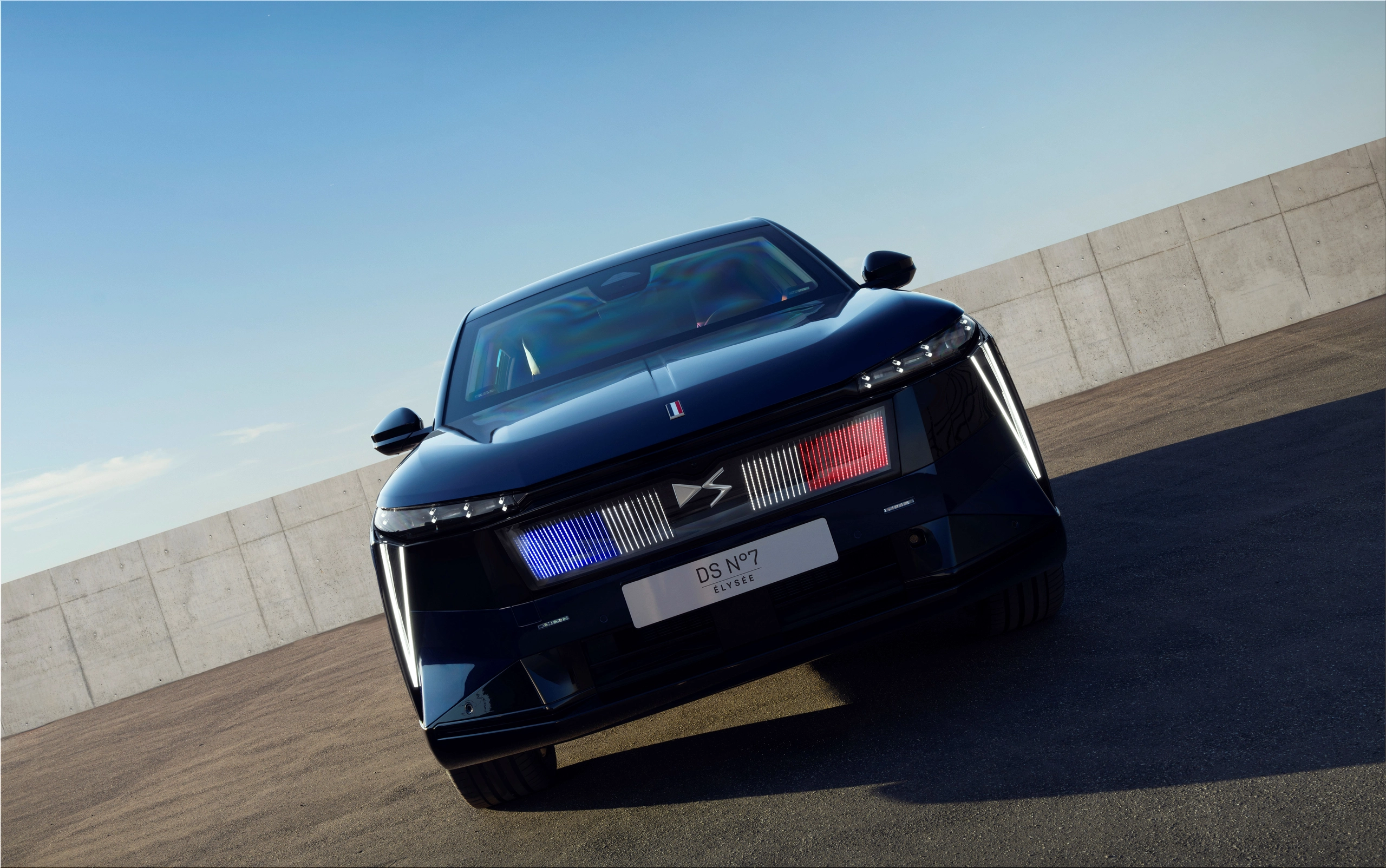
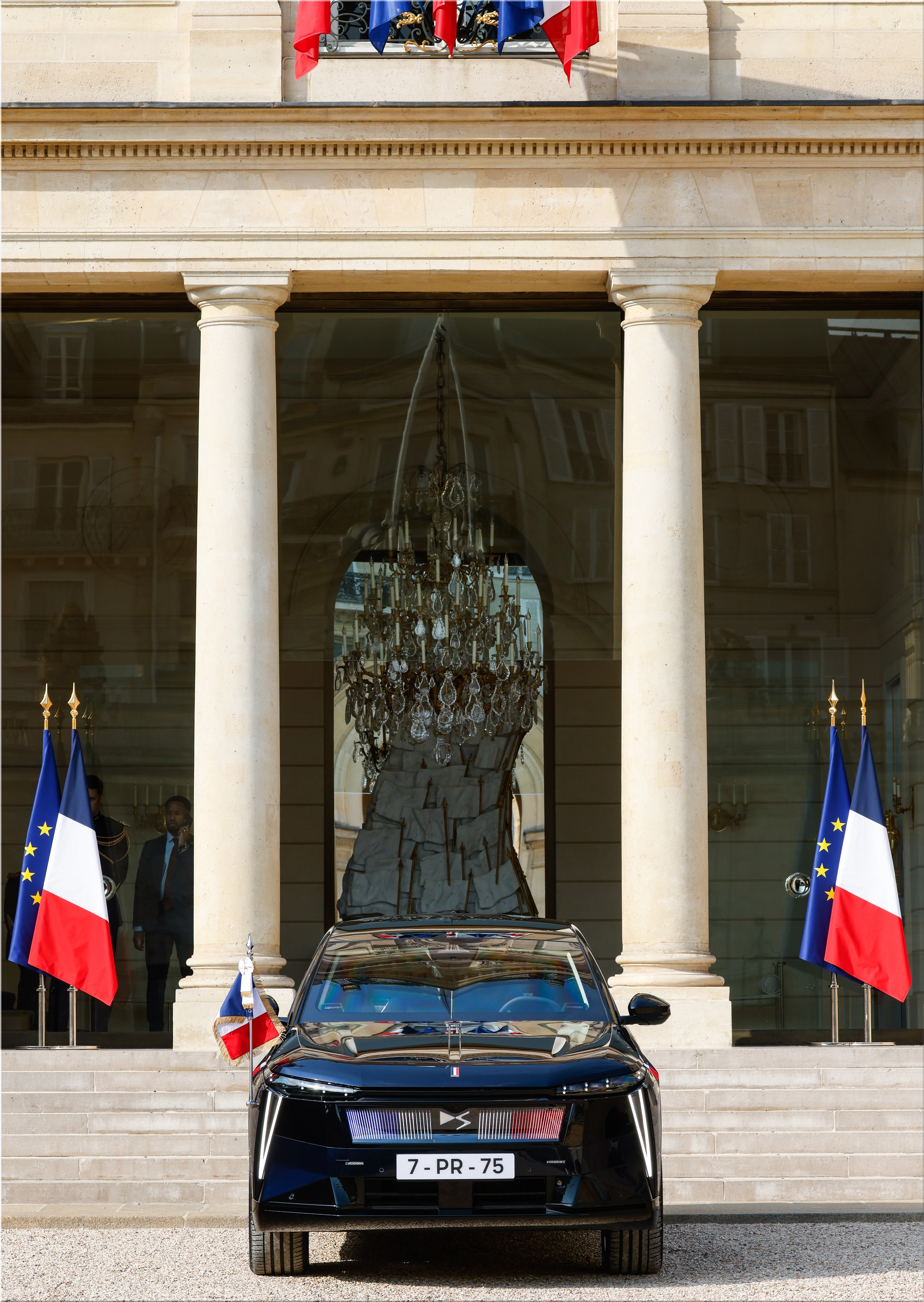
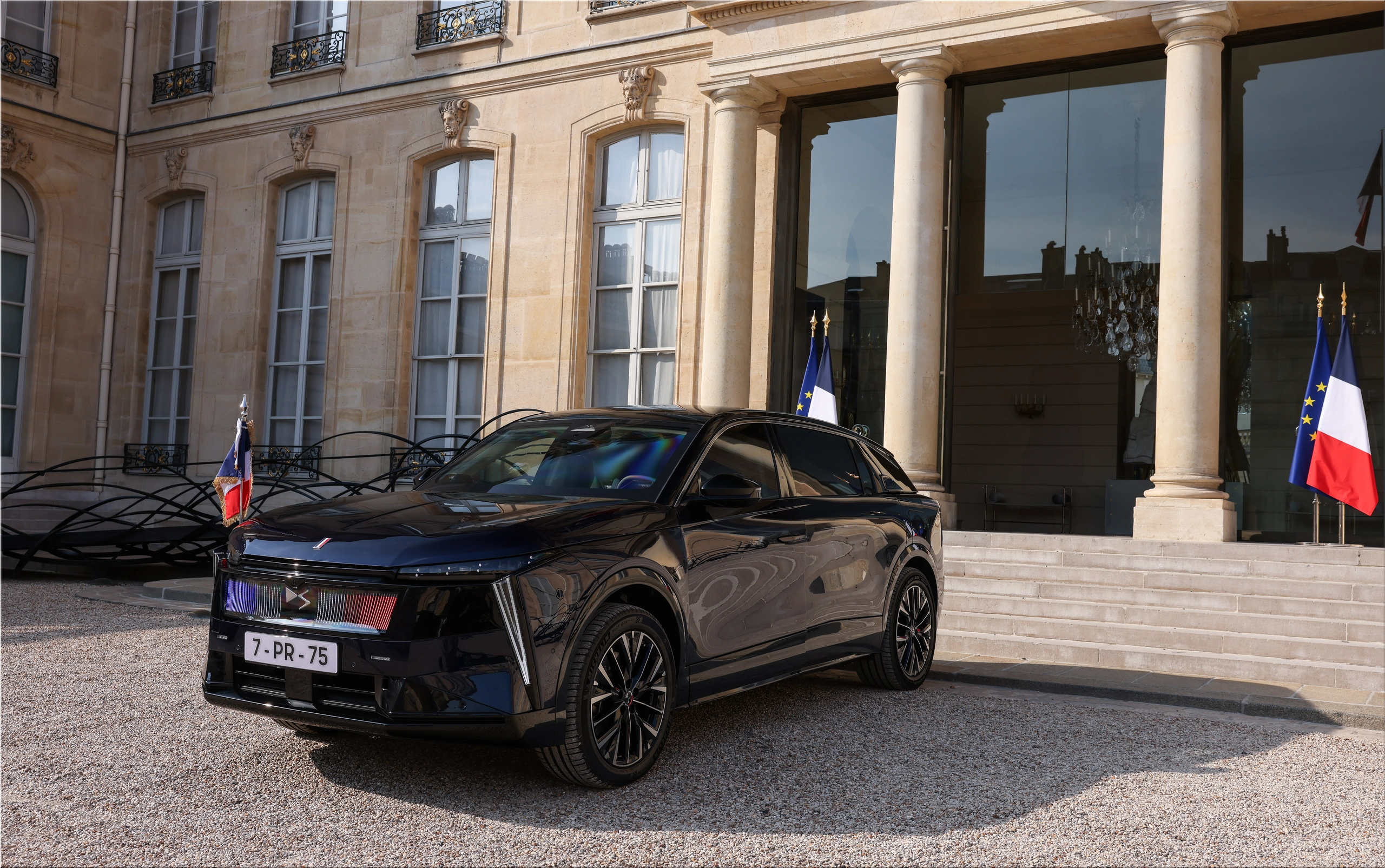
Two presidential cars, 61 years apart, will share the Élysée Palace's Main Courtyard during the 43rd European Heritage Days. One carries the quiet confidence of 1960s French engineering. The other brings armour, electric power, and a mobile office fit for modern state duties. Together, the DS N°7 Élysée and General de Gaulle's DS 21 Pallas tell a remarkably tidy story about France, power, and comfort.
A Presidential Meeting Built for European Heritage Days
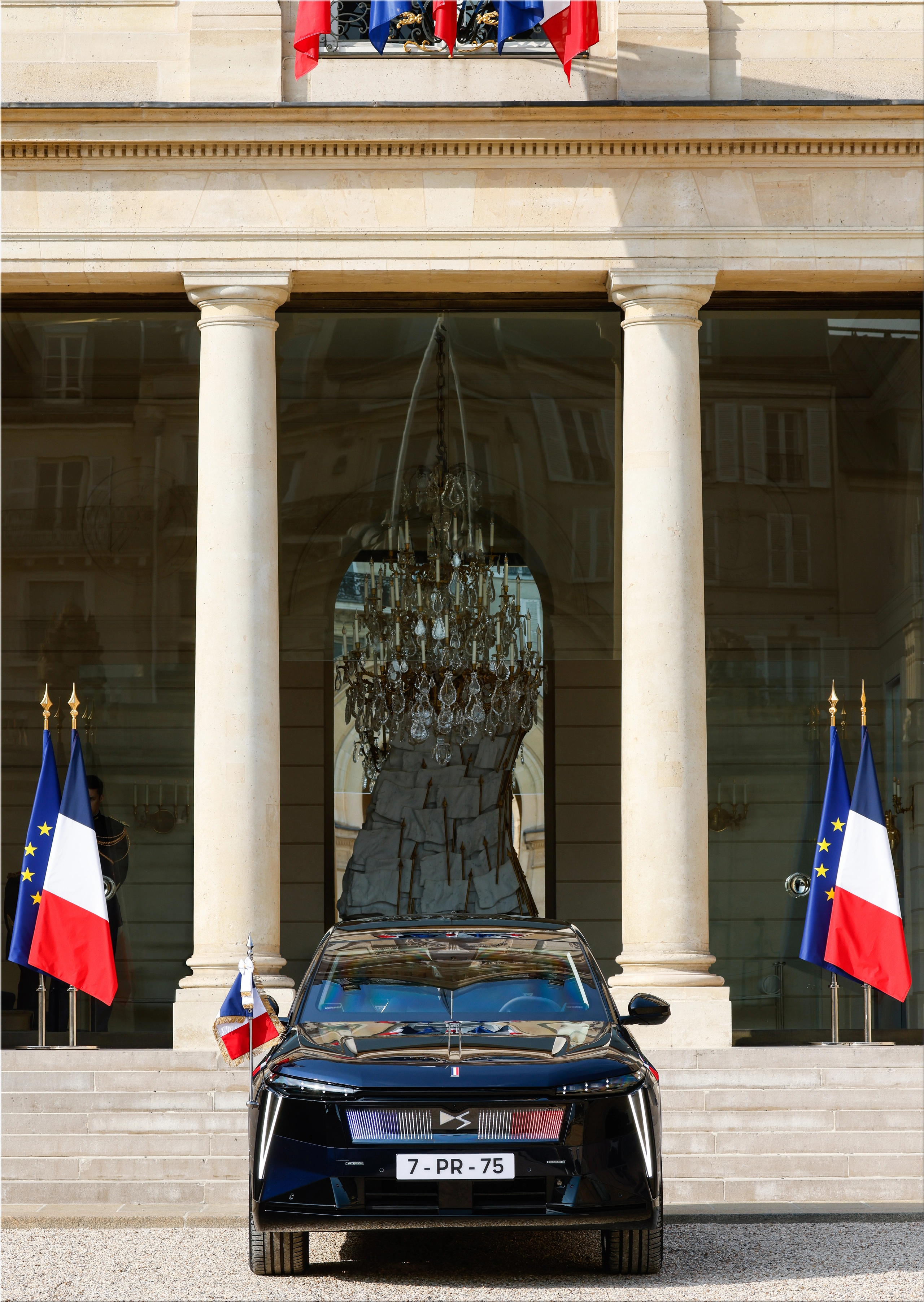
The Élysée Palace will open parts of its grounds to the public on Saturday, September 19, and Sunday, September 20, 2026. Visitors will pass through spaces that include the president's office, ballroom, Main Courtyard, and park. Several presidential vehicles will occupy the courtyard, but the two DS models should draw plenty of lingering looks.
The pairing works because the cars share a purpose without sharing an era. The 1965 DS 21 Pallas served President Charles de Gaulle during the early years of the Fifth Republic. The 2026 DS N°7 Élysée joined the presidential fleet for the Bastille Day parade on July 14. Its public display arrives as the standard DS N°7 reaches French showrooms.
DS N°7 Élysée Turns an Electric SUV Into a Mobile Office
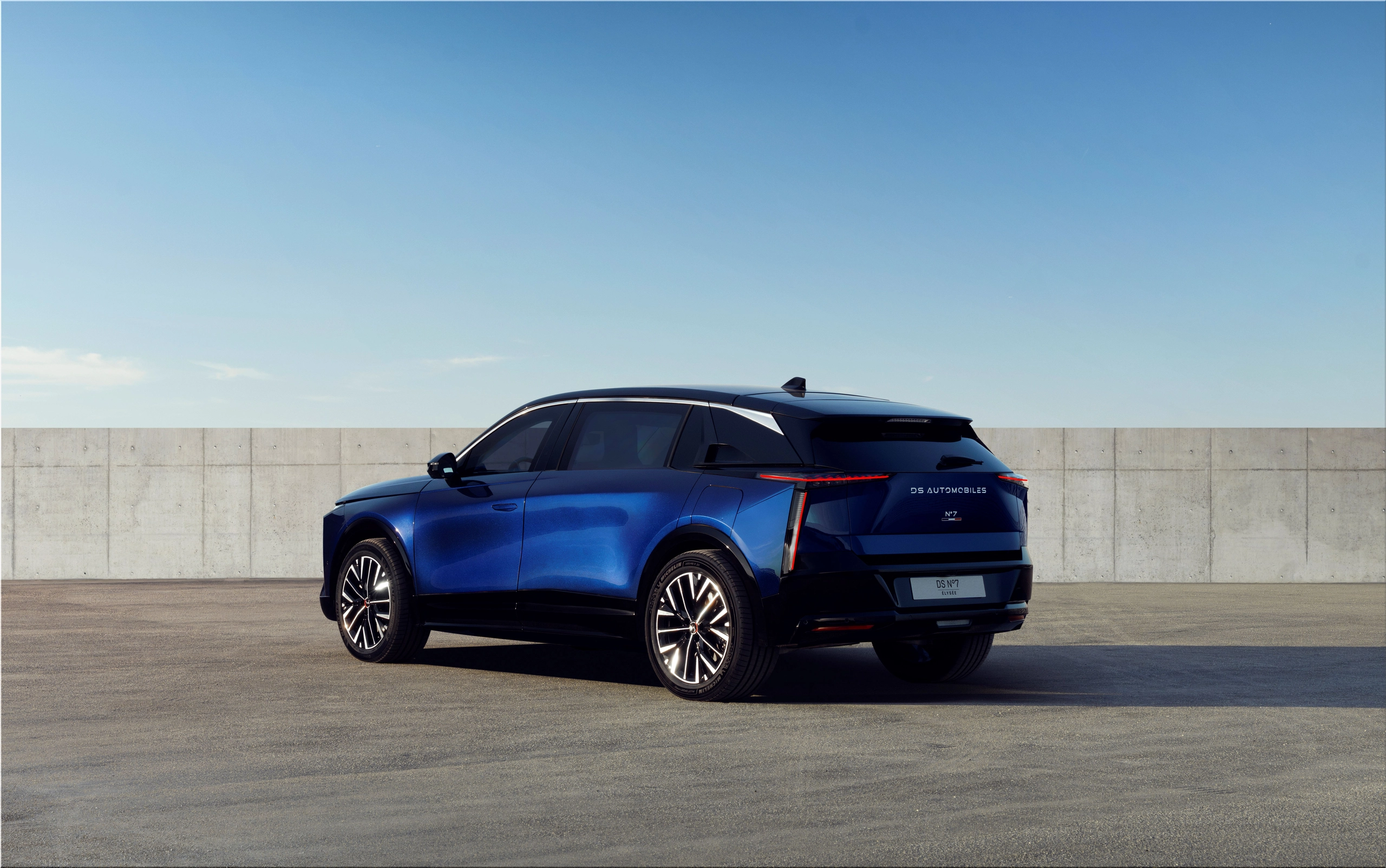
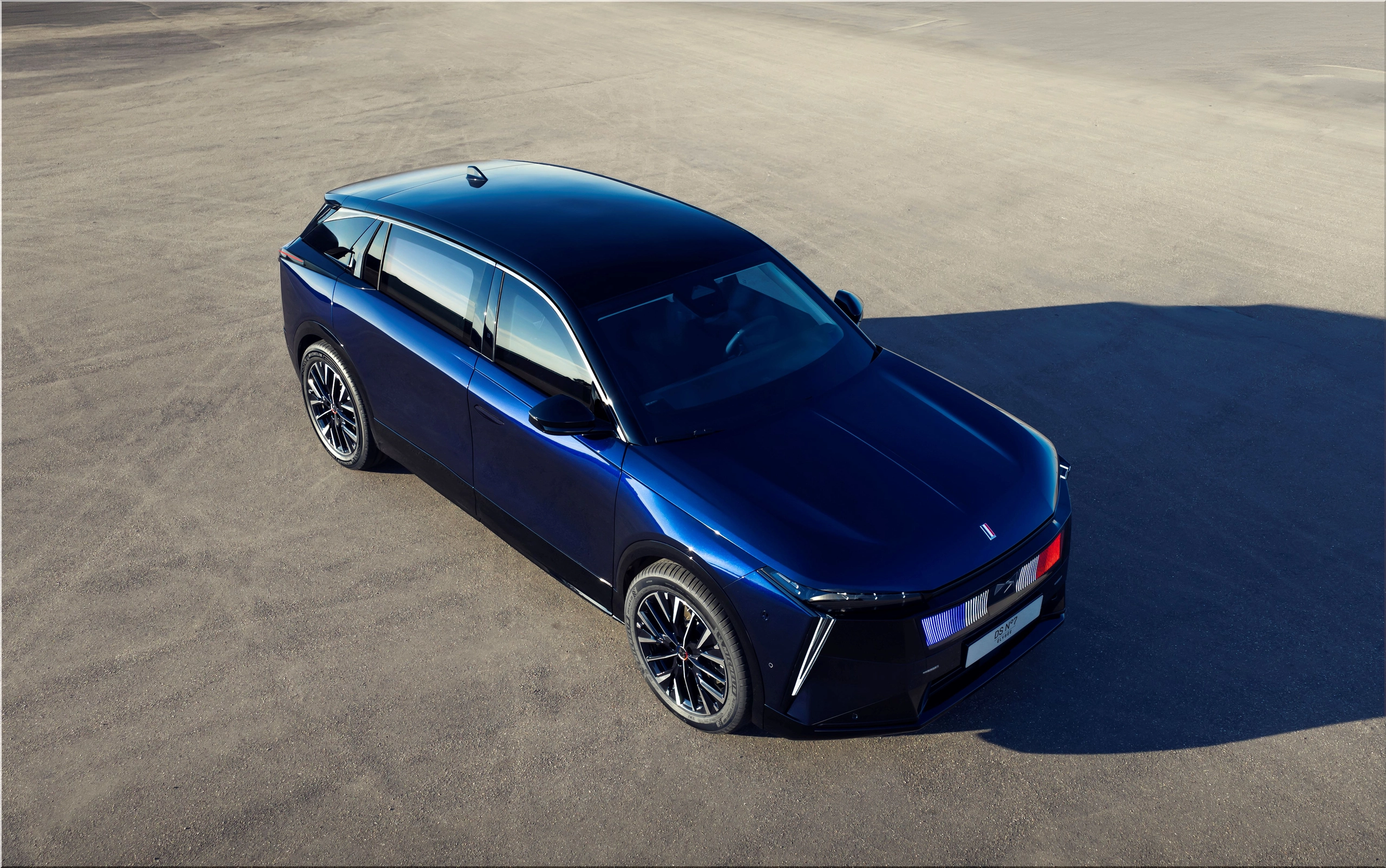
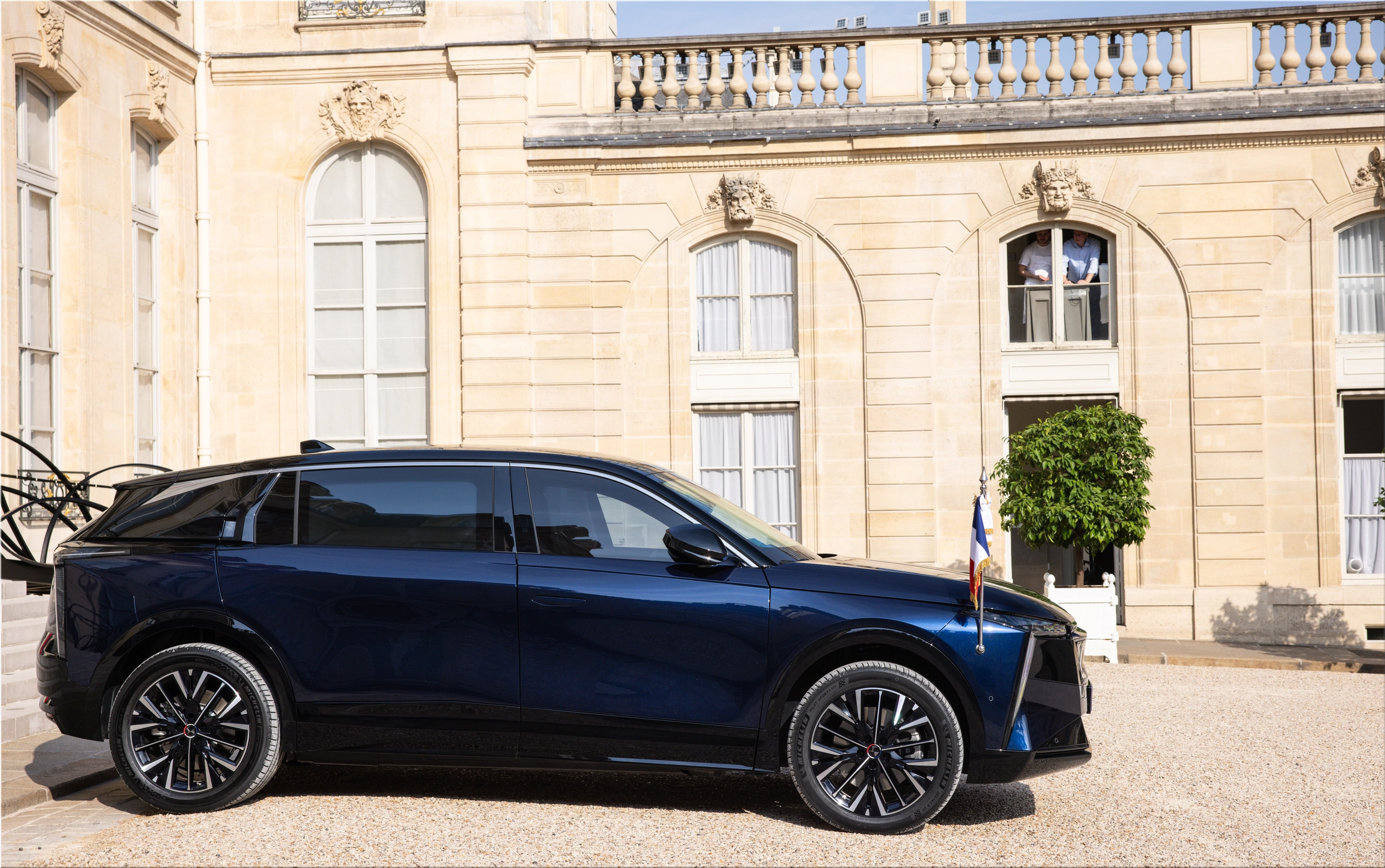
DS Automobiles based the presidential vehicle on the DS N°7 AWD Long Range, then rebuilt key areas around security and official work. Full armour protects the cabin. An extra 25 centimetres in the wheelbase gives rear passengers greater space. Engineers also developed a specific hydro-pneumatic suspension setup to manage the added mass while preserving ride comfort and road control.
The rear cabin functions as a secure workplace. A redesigned layout supports official duties, while side windows with adjustable tint add privacy. DS has not published protection ratings, armour weight, or final vehicle mass. That silence makes sense. A presidential limousine may attend a public display, but its security recipe stays private.
Underneath, a dual-motor electric system sends power to all four wheels. Output reaches 350 horsepower, and a 97.2 kWh battery supplies the energy. DS presents the car as the French presidency's first fully electric official vehicle. That wording separates it from the DS N°8 Presidential, an electric parade car used during the May 2025 Armistice commemorations.
The Key DS N°7 Élysée Specifications
- Powertrain: Fully electric, all-wheel drive
- Output: 350 horsepower
- Battery: 97.2 kWh
- Wheelbase change: 25 centimetres longer than the regular model
- Protection: Full armour and added security equipment
- Cabin role: Secure rear mobile office with adjustable-tint side windows
- Suspension: Special hydro-pneumatic setup for comfort and control
These numbers serve a practical brief. Armour adds weight. A longer wheelbase changes how a vehicle turns and responds. Parade speeds can also test cooling, suspension, and low-speed smoothness in ways normal road use rarely does. The engineering team had to produce calm progress on cobbles, tight palace approaches, and open ceremonial routes.
French Details Carry the Message Without Shouting
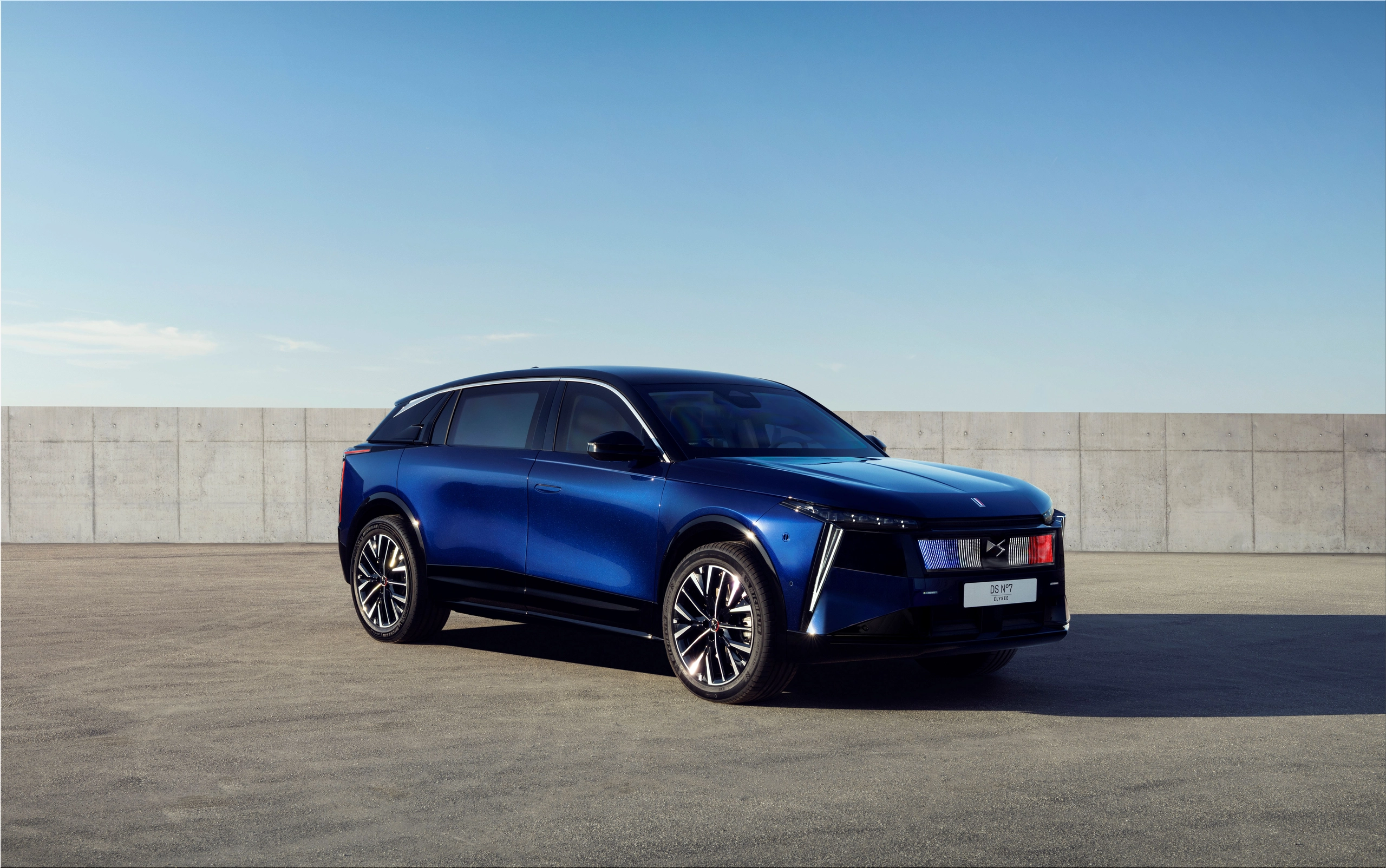
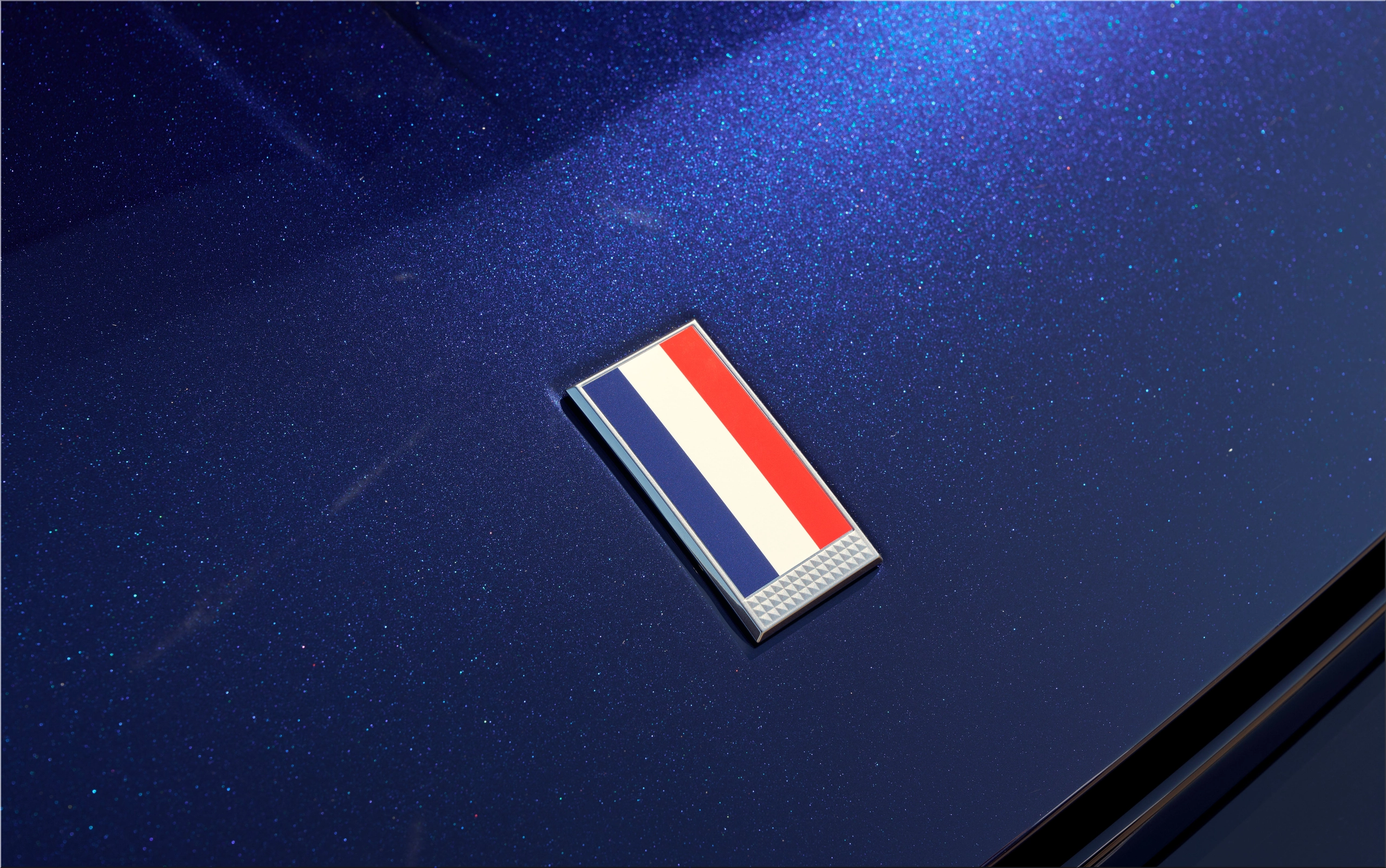
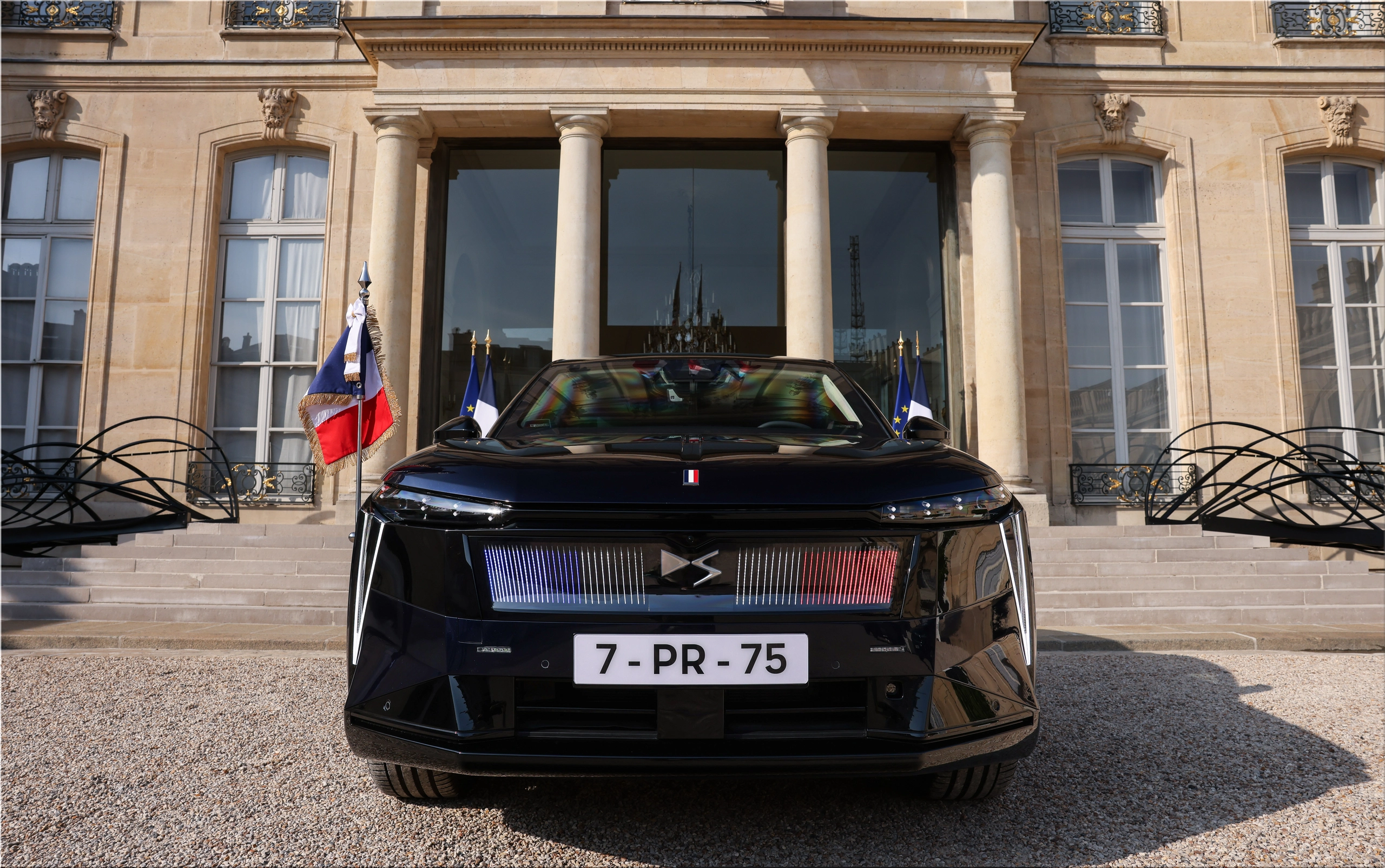
Presidential vehicles need instant authority, yet they should avoid the mood of a nightclub entrance. DS chose Liberty Blue paint and used the illuminated DS Luminascreen grille to display the French tricolour. Matching national colours appear on the bonnet badge, rear trim, and wheel centres.
Inside, Eternal Blue Nappa leather and Alcantara cover the cabin. Watchstrap-style seat upholstery, Light Gold pearl stitching, and embossed trim add visual depth. Laser-engraved ash wood on the dashboard carries an image of Marianne, the national personification of the French Republic.
The supply chain also supports the patriotic pitch. Centigon in Brittany handled armour and vehicle conversion. ACC supplied the battery from Hauts-de-France. Electric motors came from Trémery in eastern France. Teams in Occitanie developed the suspension, while Focal in Lyon supplied the audio system.
General de Gaulle's DS 21 Pallas Brings Provenance
The older car has a less dramatic specification sheet, but a richer paper trail. The 1965 DS 21 Pallas left the Javel factory in Paris on September 29, 1965. It entered service on October 2 with registration 1737 RX 75.
Its official equipment looks charmingly analogue beside tinted glass and a large traction battery. Rear side sun visors protected passengers from glare. Flag holders sat within the front bumper. The dashboard carried a roundel holder and a document holder. Each detail answered a clear presidential need, without a touchscreen in sight.
De Gaulle mainly used the car between the Élysée Palace and his private residence in Colombey-les-Deux-Églises. The state sold it in November 1967 to the manager of the local dairy cooperative. His family kept it until 2021. After another ownership change and an October 2023 auction, the car received a two-year restoration that preserved its period identity.
Its return to the Élysée courtyard carries real weight. This specific car drove the roads tied to de Gaulle's working and private life. It now sits where many of those official trips began. Few museum labels could compete with that setting.
DS N°7 Élysée vs DS 21 Pallas
| Detail | DS 21 Pallas | DS N°7 Élysée |
|---|---|---|
| Presidential service | 1965 to 1967 | Joined the fleet in July 2026 |
| Energy source | Petrol | 97.2 kWh battery |
| Drive layout | Front-wheel drive | All-wheel drive |
| Main official role | Transport for General de Gaulle | Armoured mobile office |
| Comfort technology | Hydropneumatic suspension | Special hydro-pneumatic suspension |
| Distinctive details | Flag, roundel, and document holders | Tricolour grille and Liberty Blue paint |
Six Decades of French Presidential DS Cars
The connection began before the DS 21 Pallas entered service. A DS 19 carried de Gaulle during the early Fifth Republic and became linked with his public image. The French presidency later asked for larger ceremonial machines, including several coachbuilt cars with dimensions and equipment suited to formal processions.
1. The 1968 Presidential DS 21
Henri Chapron completed the one-off ceremonial DS 21 delivered to the Élysée on November 14, 1968. It measured 6.53 metres long and 2.13 metres wide. The specification demanded a car larger than the US president's vehicle at that time. It could creep for hours in hot weather, a serious engineering requirement for processions.
2. The 1972 Presidential SM Convertibles
Two four-door SM convertibles entered ceremonial duty in 1972. Chapron lengthened each car by 71 centimetres to 5.60 metres and adapted the suspension, brakes, tyres, cabin, and gearing. Presidents Georges Pompidou, Valéry Giscard d'Estaing, François Mitterrand, and Jacques Chirac later used them.
3. Modern DS Models Return to the Forecourt
François Hollande rode in an open DS 5 during his May 2012 inauguration. Emmanuel Macron used the DS 7 Crossback Presidential at his May 2017 inauguration. The DS 7 Crossback Élysée entered regular fleet duty in November 2021, followed by the renamed DS 7 Élysée in July 2022.
The fully electric DS N°8 Presidential appeared in May 2025 for commemorations marking 80 years since the end of war in Europe. It carried parade equipment, French craftwork, and a battery-electric drivetrain. The N°7 Élysée now takes the next step by serving as an official fleet vehicle prepared for protection, work, and daily presidential movement.
Why an Electric Presidential Car Carries Extra Weight
An electric state car sends a message before anyone opens a door. It says battery power can support high-security transport, long official days, and ceremonial duty. Yet public symbolism only works when the vehicle performs its job. Range claims and showroom polish mean little if armour, communications gear, climate control, and long periods at low speed expose weak points.
DS has not released a driving range for the armoured car. The standard electric N°7 can reach up to 740 kilometres under official test conditions, but buyers should not apply that figure to the presidential version. Extra mass, altered airflow, security systems, and duty cycles will affect energy use.
That missing figure offers a useful lesson for regular EV shoppers. Vehicle weight and driving conditions can shift real range. An official laboratory estimate supplies a comparison tool, not a promise for every trip. The president's car makes that truth unusually easy to see, even if nobody hands visitors its efficiency log.
What Visitors Should Inspect at the Élysée Palace
These cars reward slow viewing. Visitors can use five details to read their shared story:
- Compare the wheelbases. The N°7's extra length creates work space without turning the SUV into a traditional stretched limousine.
- Study the flag mounts. The DS 21 integrates official hardware with simple metal fittings; the N°7 adds illuminated national graphics.
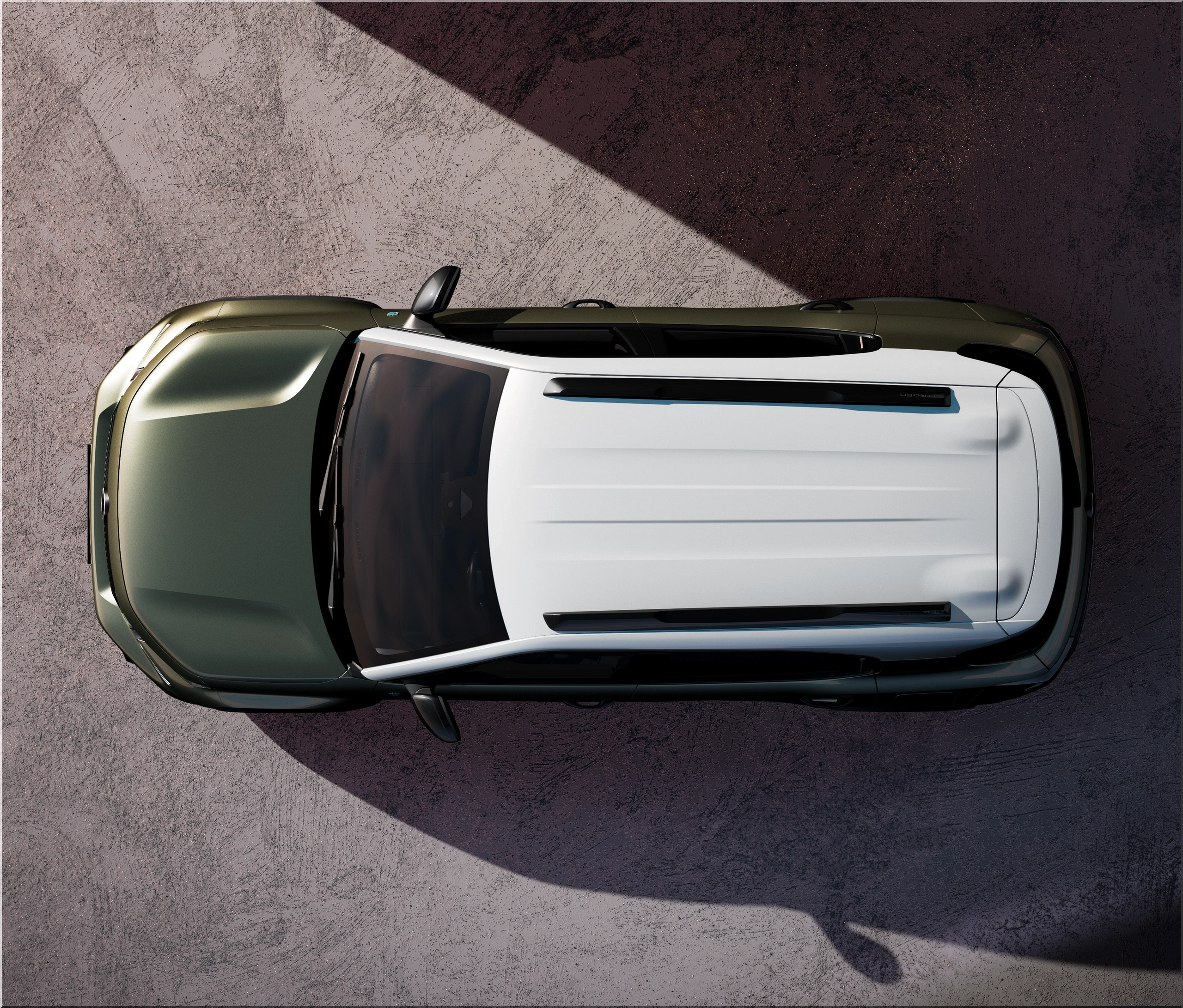
- Look at the rooflines. One car sits low and long, while the other uses SUV height for security packaging and rear access.
- Trace the suspension idea. The execution changed, but soft, controlled movement remains central to the DS identity.
- Read the interiors as offices. Document storage defined the old car. Privacy glass, communications needs, and protected workspace shape the new one.
Photography will capture the obvious differences. A careful look will reveal the stronger point: public duty shaped every design decision. Neither vehicle became presidential through paint alone.
Two Cars, One Clear Line Through French History
The European Heritage Days display gives visitors a rare chance to see state transport as working history. General de Gaulle's DS 21 Pallas brings documented service, private ownership, and sympathetic restoration back to its former starting point. The DS N°7 Élysée presidential car shows how the same priorities now meet electric propulsion, armour, privacy, and connected work.
Anyone attending on September 19 or 20 should spend time with the small details, not only the tricolour grille. Look for the flag holders, the rear space, the suspension stance, and the materials chosen to represent France. Sixty-one years separate the cars. Their assignment remains strikingly familiar: move the president safely, comfortably, and with unmistakable French character.
- Add new comment
- 8 views