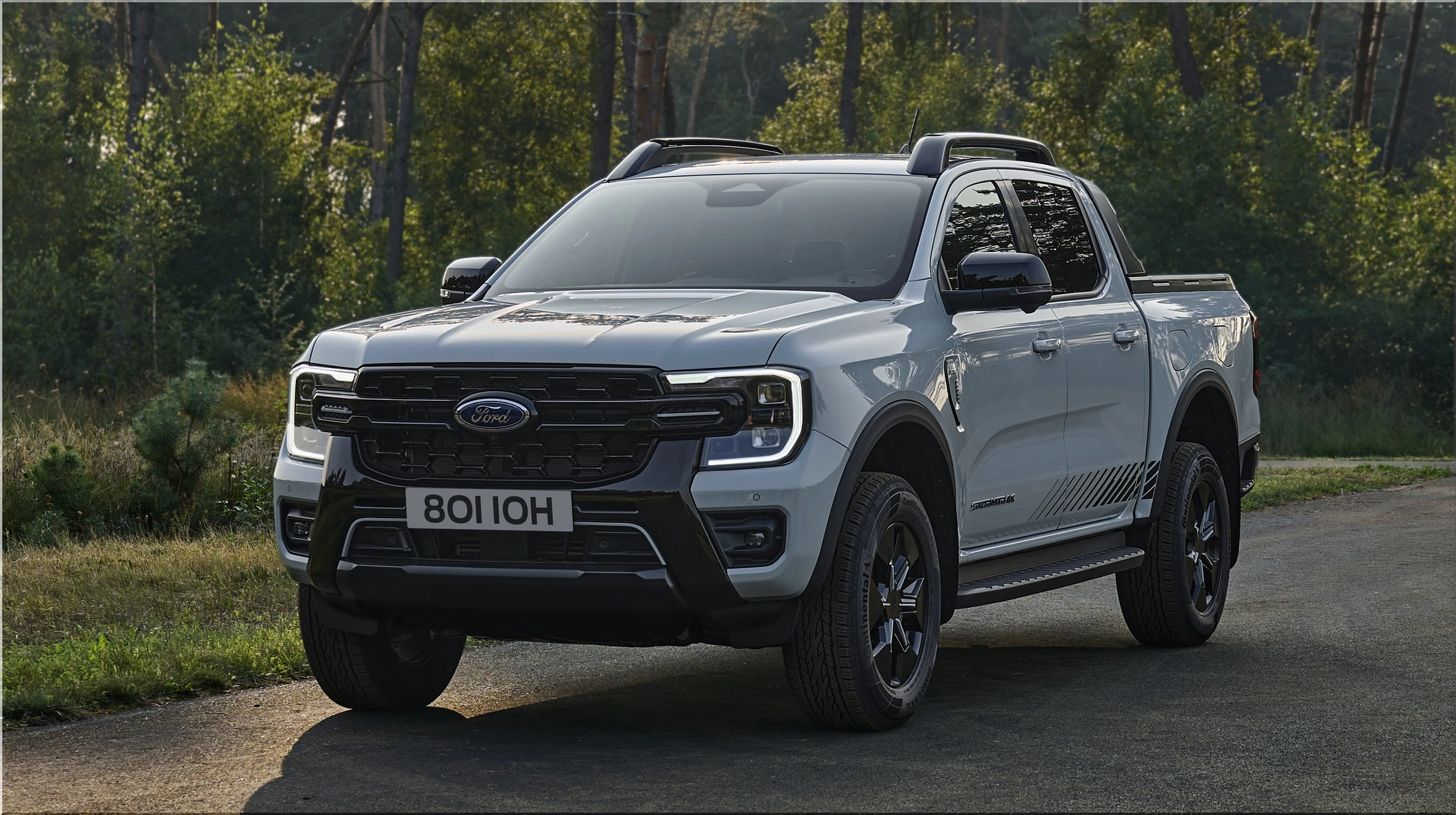
The Ford Ranger has solidified its position as Europe's best-selling pickup truck for an impressive ten consecutive years. In 2024 alone, Ford Pro sold 60,400 Ranger units across Europe, capturing a commanding 43.6% market share. This dominance is no accident. The Ranger's combination of rugged capability, advanced technology, and adaptability has made it the go-to choice for both commercial and private buyers. With its continued leadership in a competitive market, the Ranger remains a benchmark for performance, reliability, and innovation.
Key Performance Highlights
Ford's sustained success in the European pickup market is backed by solid numbers. Here are the key highlights from the latest sales data:
- Sales Growth: The 2024 sales figures represent a 4% increase compared to 2023, reinforcing the Ranger's growing appeal despite increasing competition and shifting consumer preferences.
- Market Penetration: The Ranger holds a 43.6% share of the European pickup market. In four major European countries, its market share exceeded 50%, with Germany leading at an all-time high of 53.9%.
- Customer Preference: The Ranger's reputation for durability, off-road capability, and cutting-edge technology continues to drive strong demand, securing its position as the most trusted choice in the segment.
Comparison with Competitors
To better understand the Ford Ranger's market position, here's a direct comparison with six competing pickup models available in Europe:
| Model | Engine Type | Power (PS) | Payload (kg) | Towing Capacity (kg) | Market Share (%) |
|---|---|---|---|---|---|
| Ford Ranger | 2.0L EcoBlue Diesel | 213 | 1,100 | 3,500 | 43.6 |
| Toyota Hilux | 2.8L Diesel | 204 | 1,030 | 3,500 | 20.5 |
| Volkswagen Amarok | 3.0L V6 TDI Diesel | 258 | 1,154 | 3,500 | 15.3 |
| Isuzu D-Max | 1.9L Diesel | 164 | 1,120 | 3,500 | 10.8 |
| Nissan Navara | 2.3L Diesel | 190 | 1,100 | 3,500 | 7.4 |
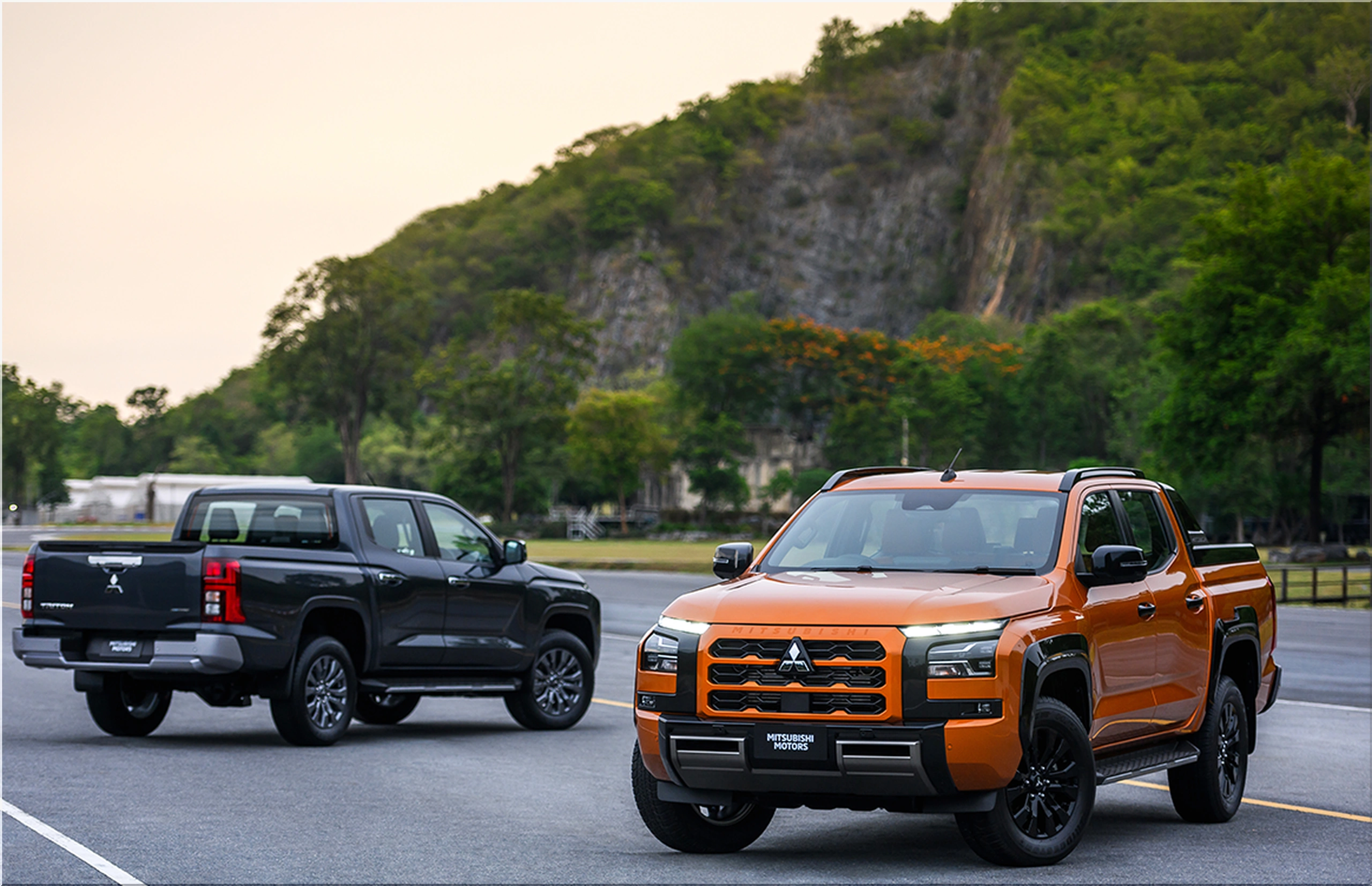
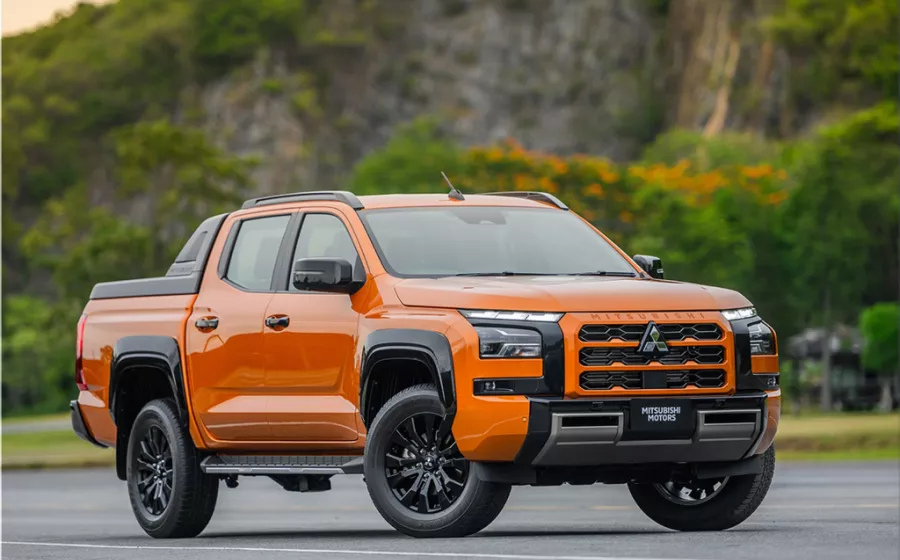
| Mitsubishi L200 | 2.4L Diesel | 181 | 1,045 | 3,100 | 2.4 |
The Ford Ranger’s ability to outperform competitors in market share, towing capacity, and technological features demonstrates why it remains the leading choice among buyers across Europe.
Factors Driving the Ranger's Success
1. Proven Performance and Capability
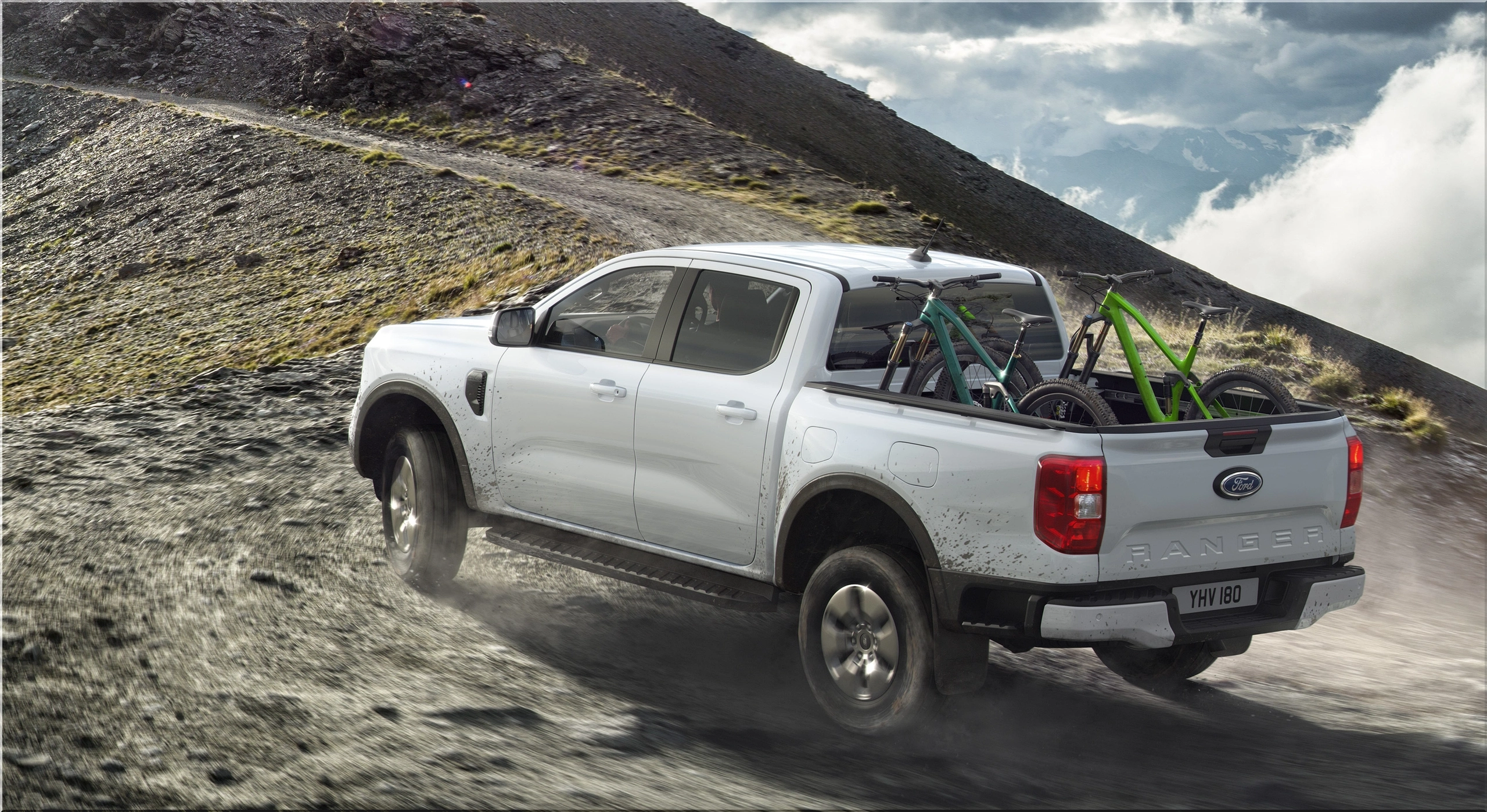
Equipped with a 2.0-litre EcoBlue diesel engine, the Ford Ranger delivers 213 PS and an impressive 500 Nm of torque. This translates into exceptional towing power, with a 3,500 kg maximum towing capacity, making it ideal for construction workers, tradespeople, and outdoor enthusiasts who need a dependable workhorse. The Ranger’s 1,100 kg payload capacity also ensures it can handle heavy loads with ease, whether for work or recreational use.
2. Advanced Technology for the Modern Driver
Ford has integrated cutting-edge technology into the Ranger, making it one of the most connected and user-friendly pickups on the market. Features such as:
- FordPass Connect – Allows drivers to remotely control their vehicle, checking fuel levels, locating the truck, and even starting it remotely via a smartphone app.
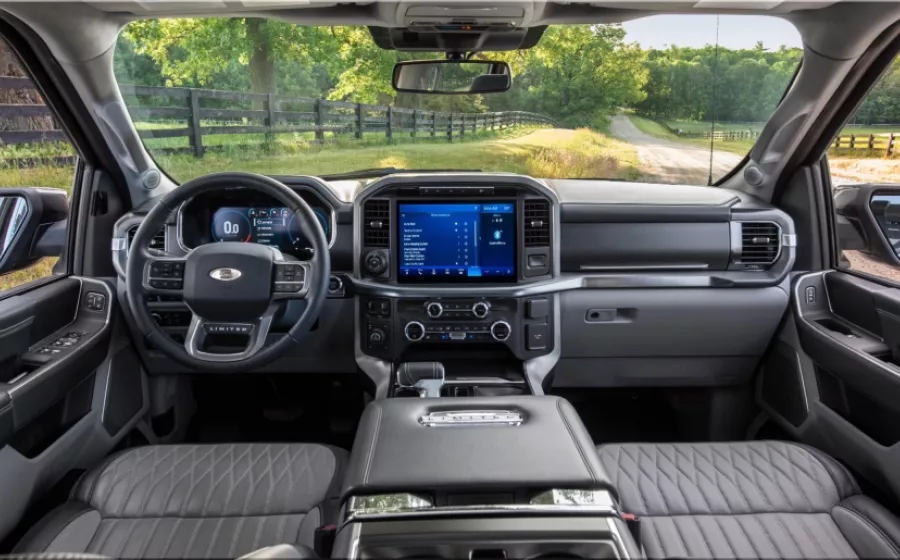
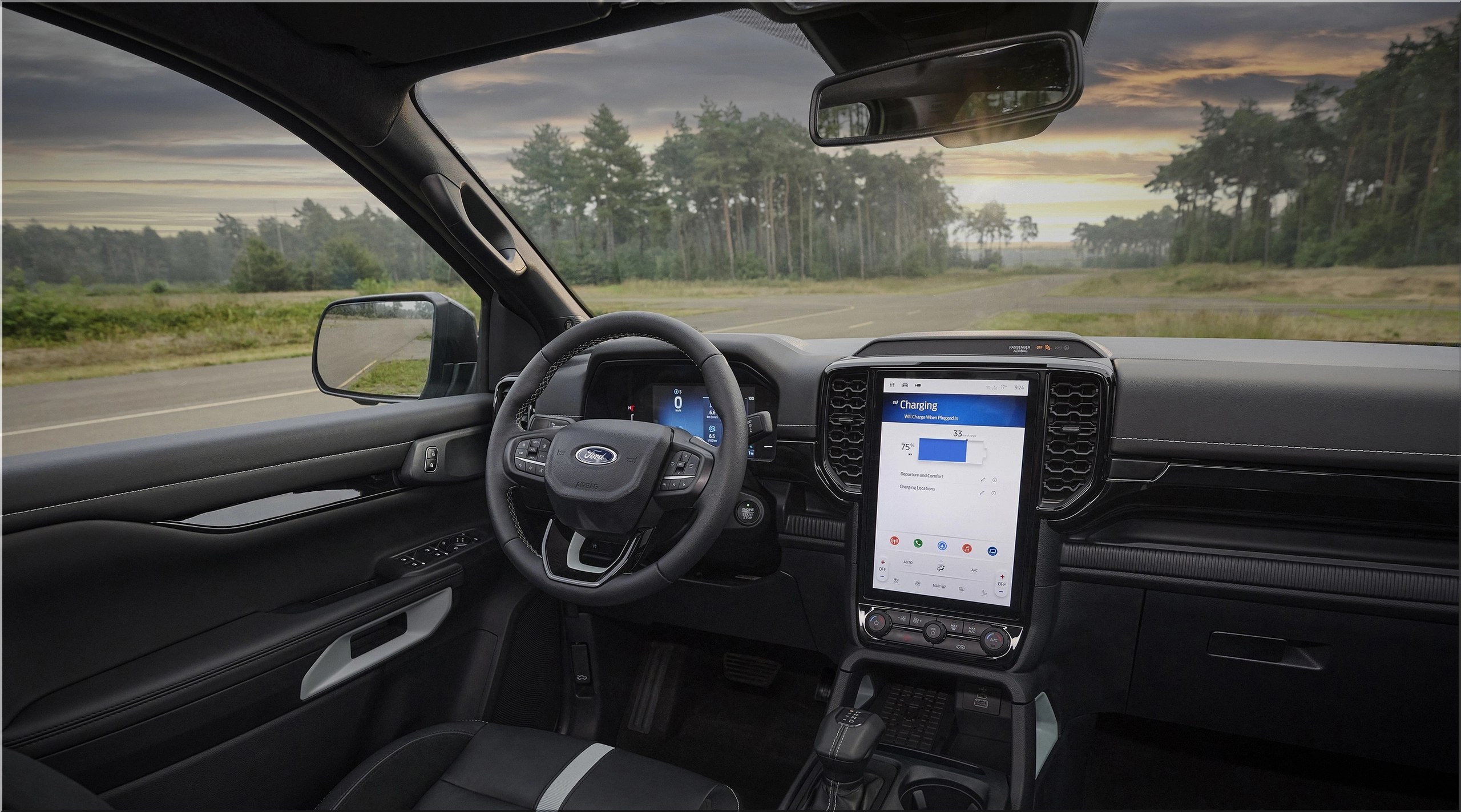
- SYNC 3 infotainment system – Features an 8-inch touchscreen, voice recognition, Apple CarPlay, and Android Auto, ensuring seamless connectivity.
- Advanced Driver Assistance Systems (ADAS) – Includes adaptive cruise control, lane-keeping assist, traffic sign recognition, and automatic emergency braking, enhancing both safety and convenience.
3. Versatility Across Different User Needs
The Ranger’s broad range of trims allows it to cater to different customer segments. From the rugged XL trim for commercial use to the luxurious Ranger Raptor for off-road enthusiasts, there’s a model for every purpose. Businesses rely on its reliability and durability, while private owners appreciate its comfort and technology-driven features.
4. Strong Brand Loyalty and Resale Value
The Ranger has built a solid reputation for reliability, leading to strong customer retention and resale values. Many businesses and fleet operators prefer Ford’s pickup due to its low total cost of ownership, backed by a robust dealer network and affordable maintenance costs.
The Future: Ford Ranger Plug-in Hybrid (PHEV)
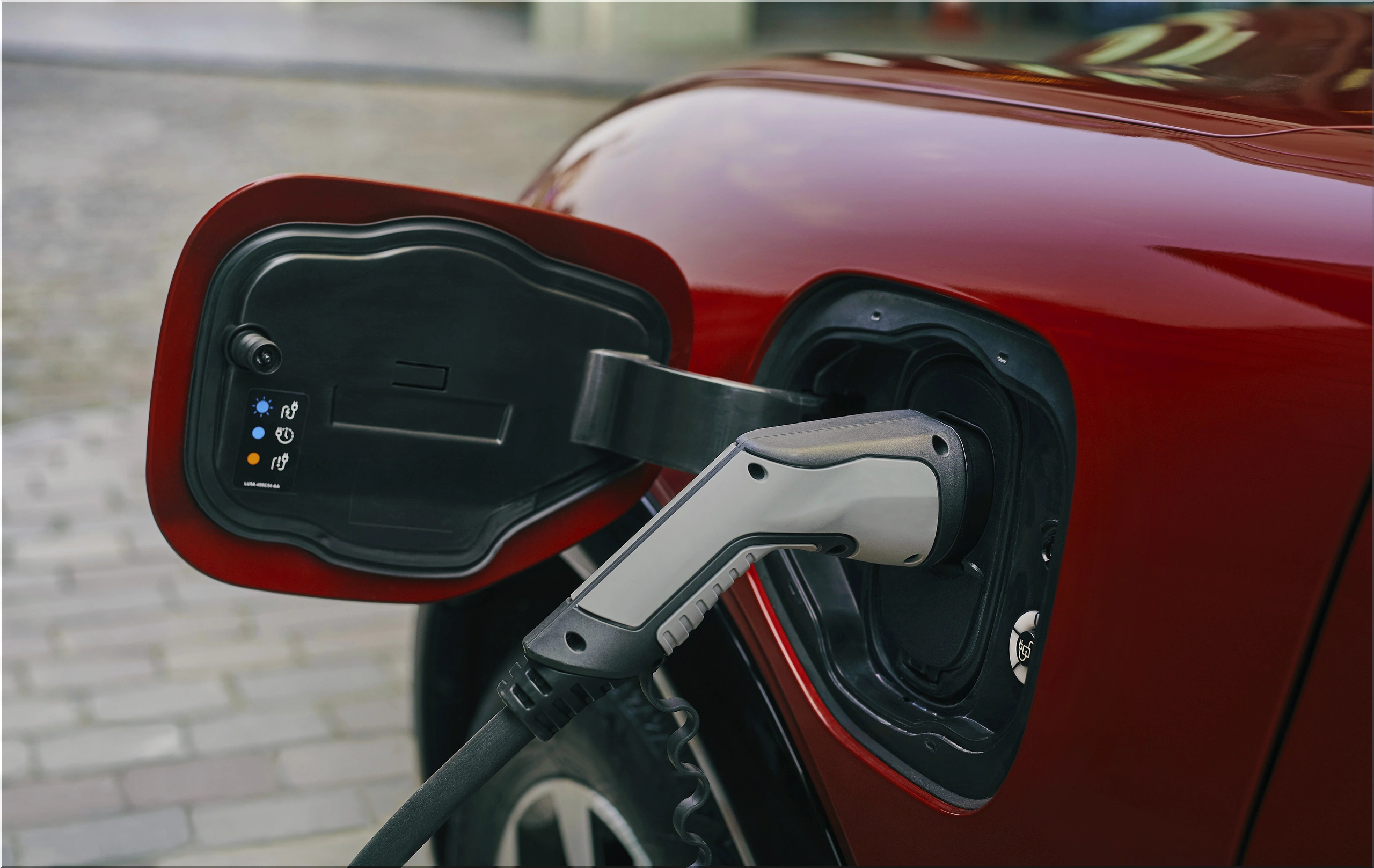
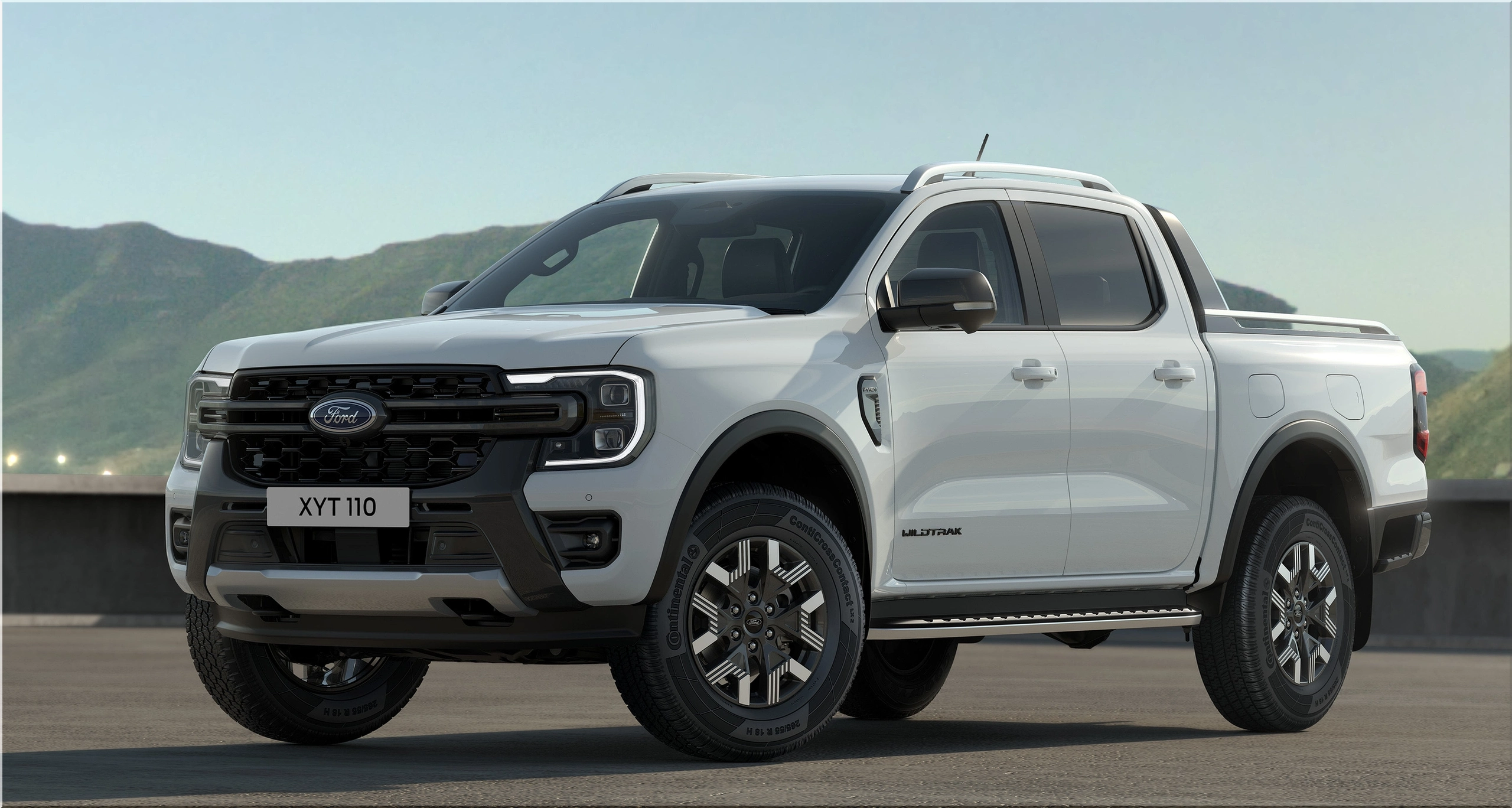
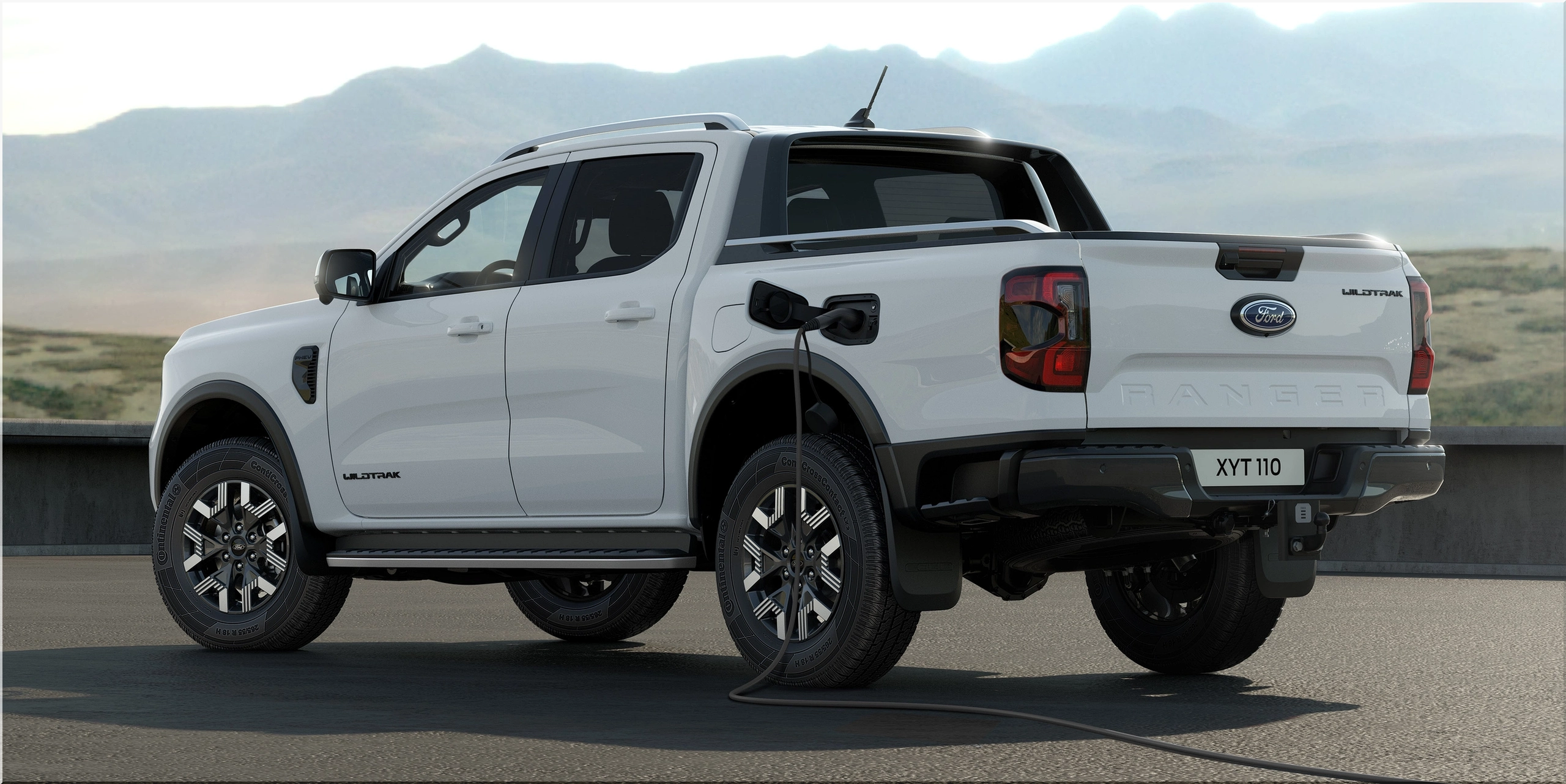
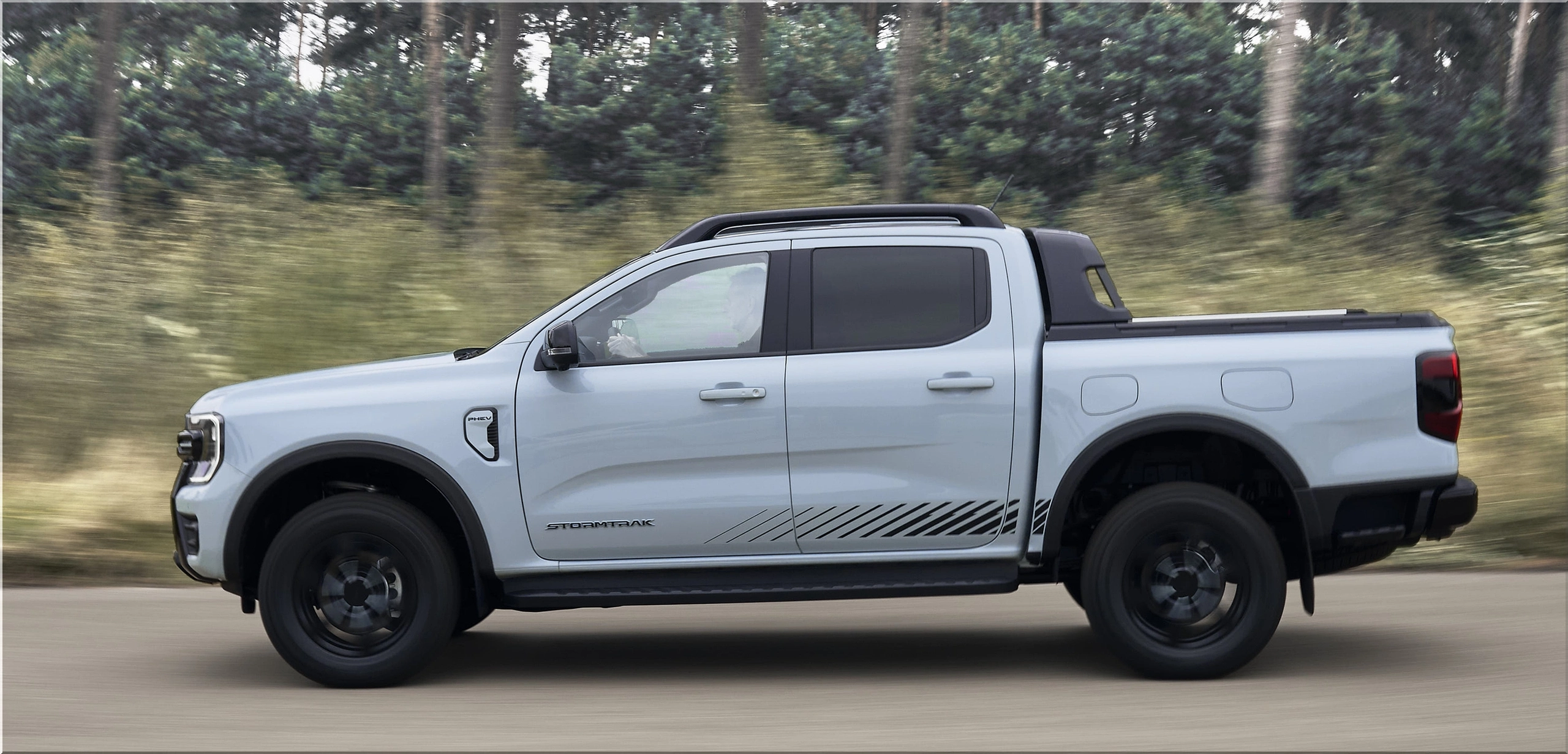
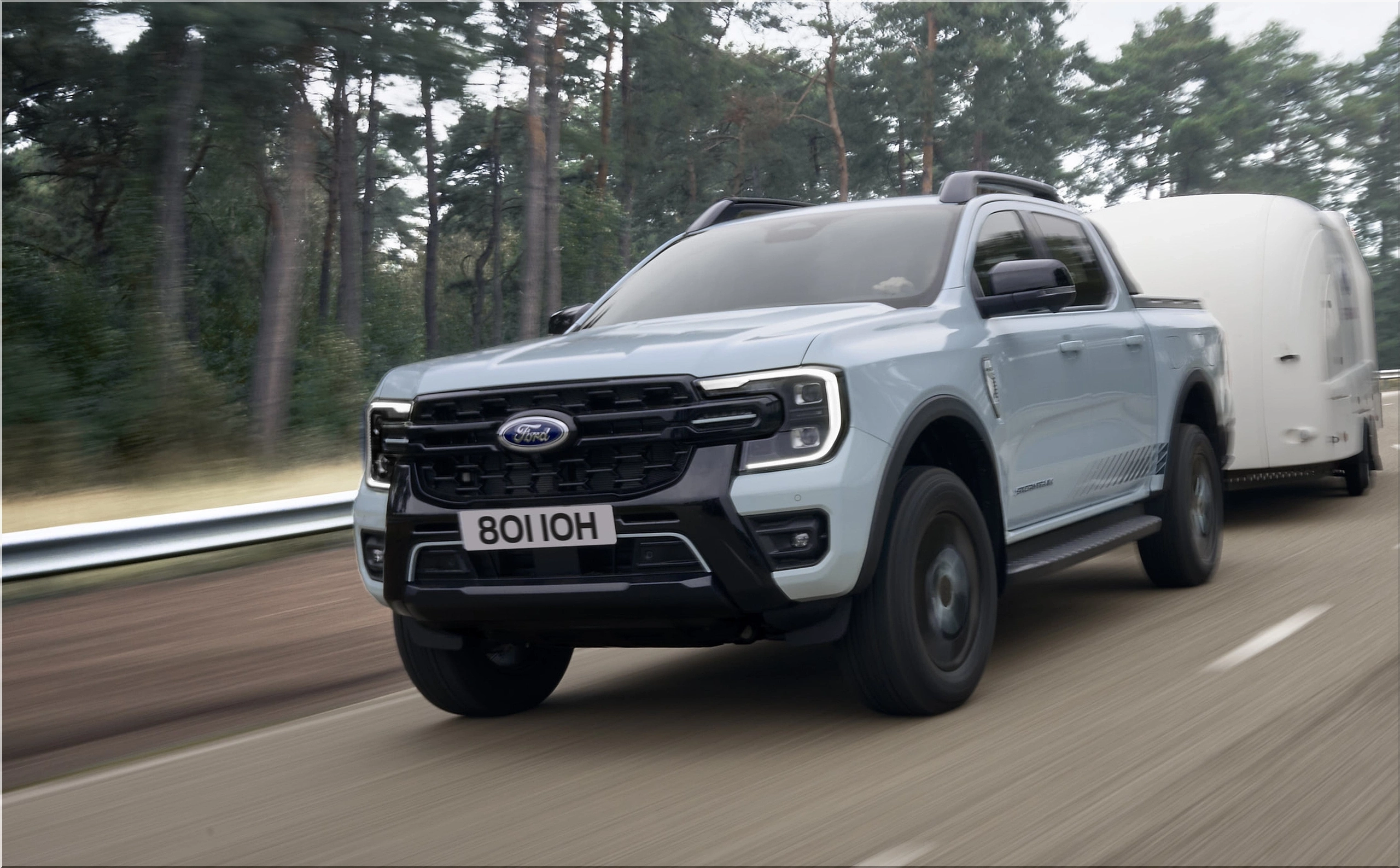
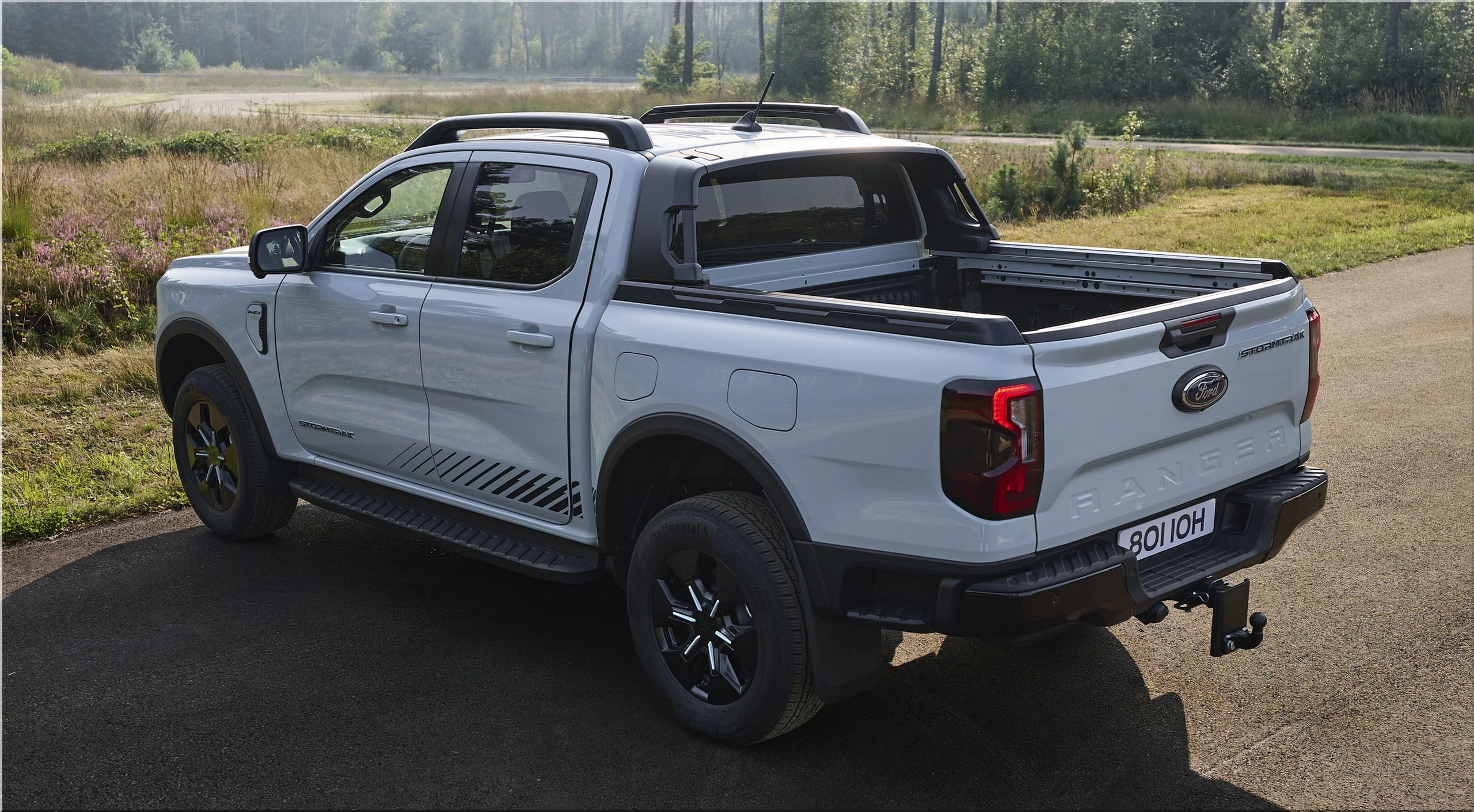
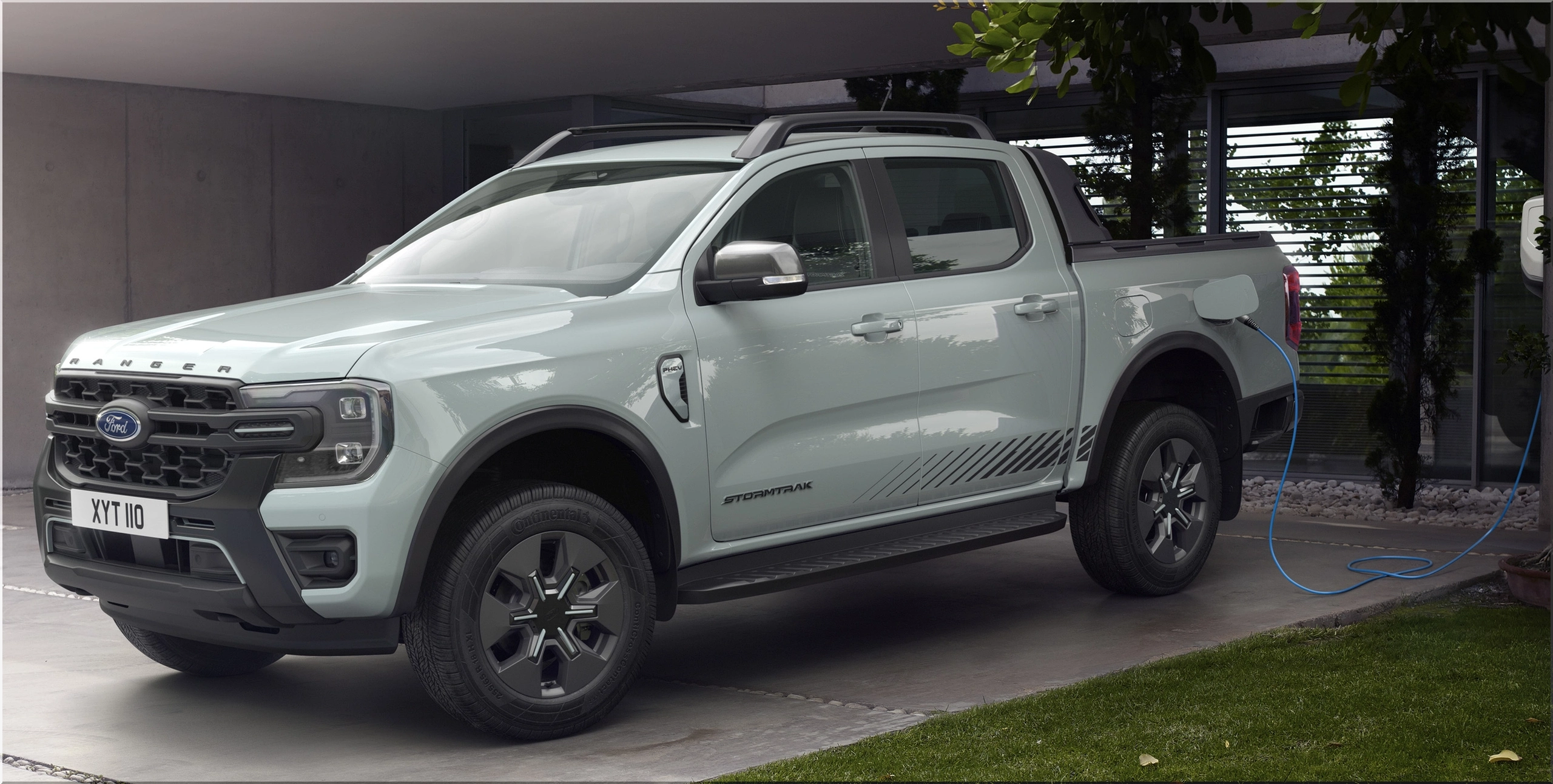
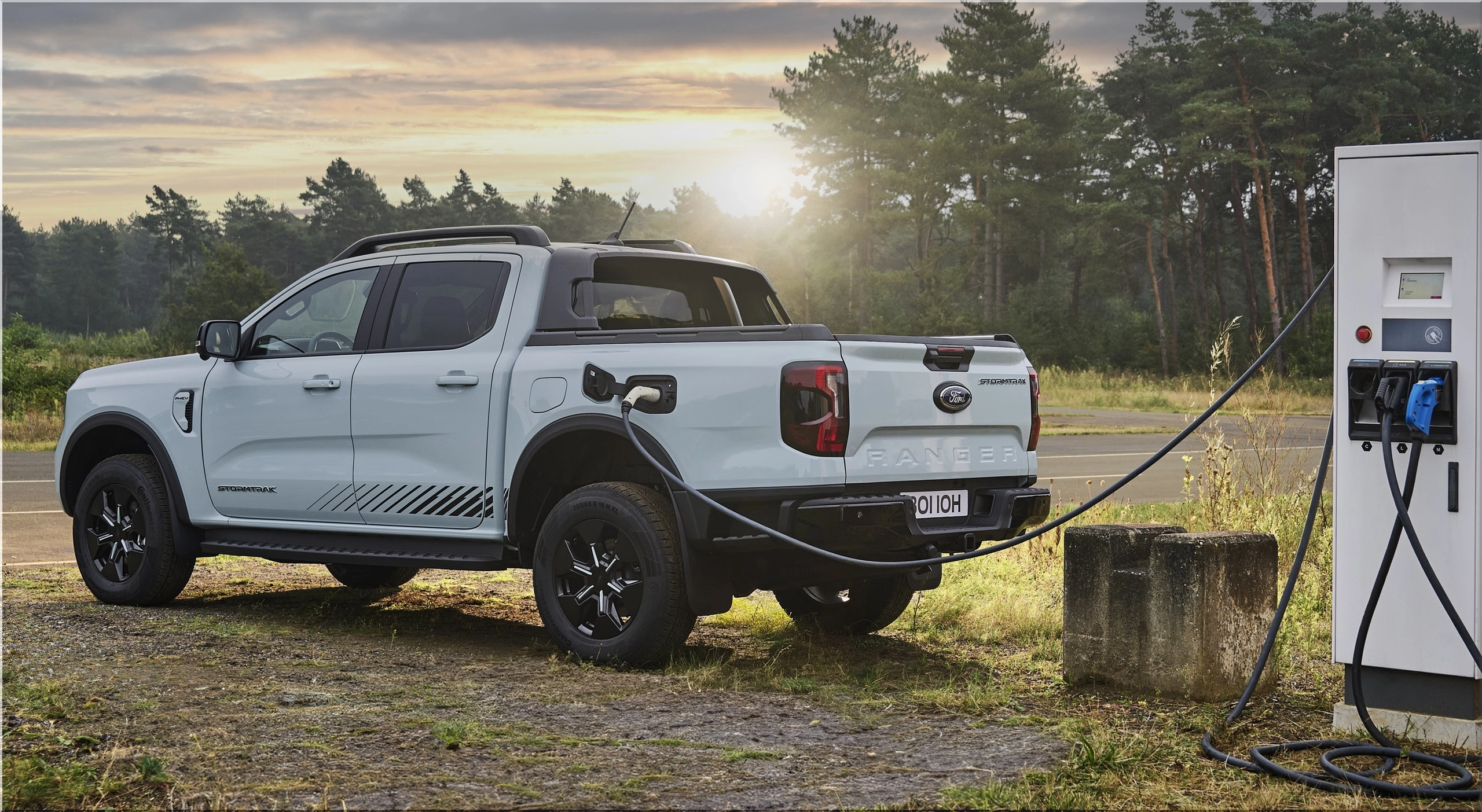
As Europe moves toward stricter emission regulations and sustainability goals, Ford is responding by launching the Ford Ranger Plug-in Hybrid (PHEV) in 2025. This upcoming model is expected to redefine the pickup segment with its combination of power, efficiency, and innovation.
Key Features of the Ranger PHEV:
- Best-in-class Torque – The hybrid powertrain produces 697 Nm of torque, making it the most powerful Ranger yet.
- Electric-Only Driving Mode – Capable of driving up to 43 km on pure electric power, reducing emissions and fuel consumption.
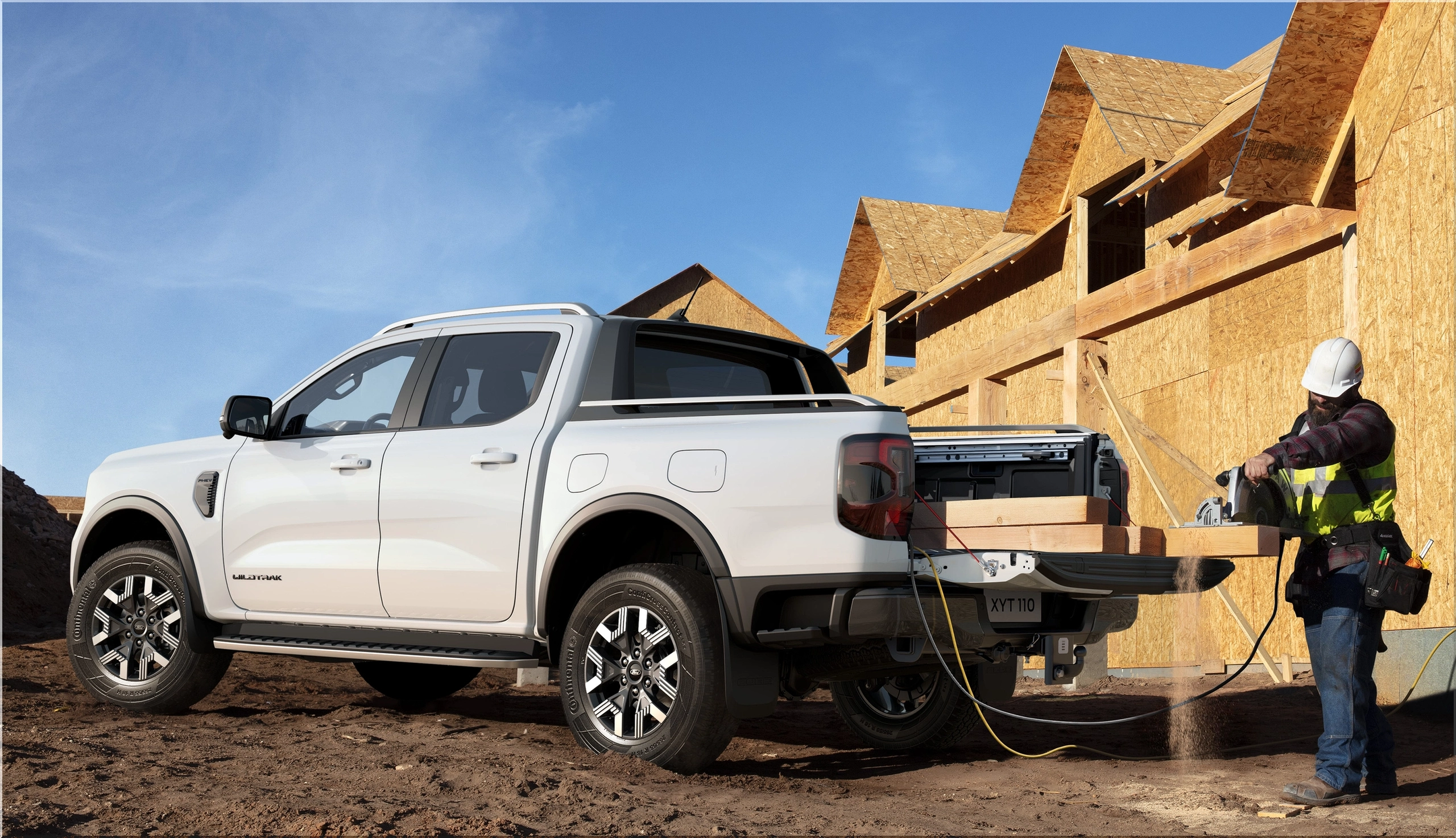
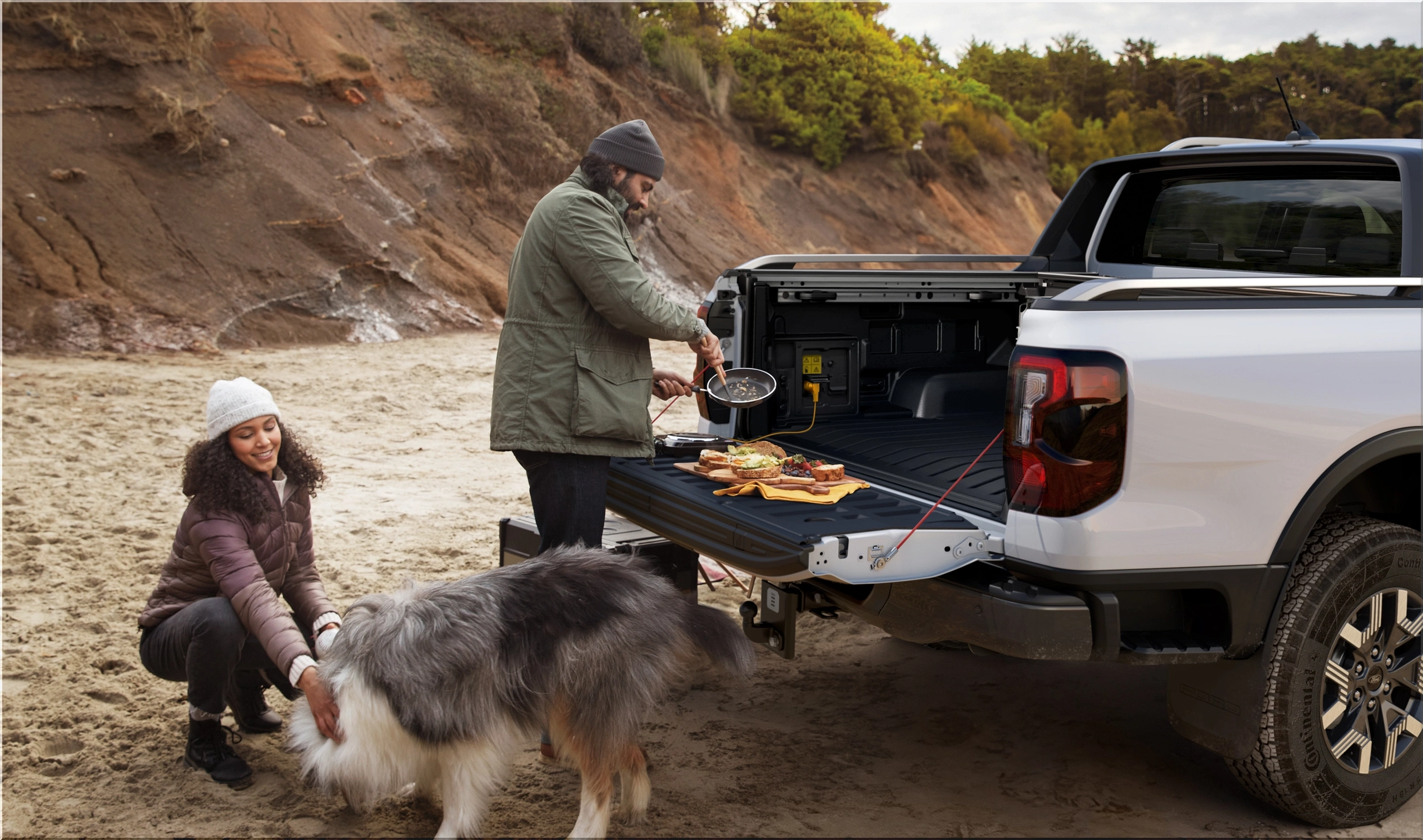
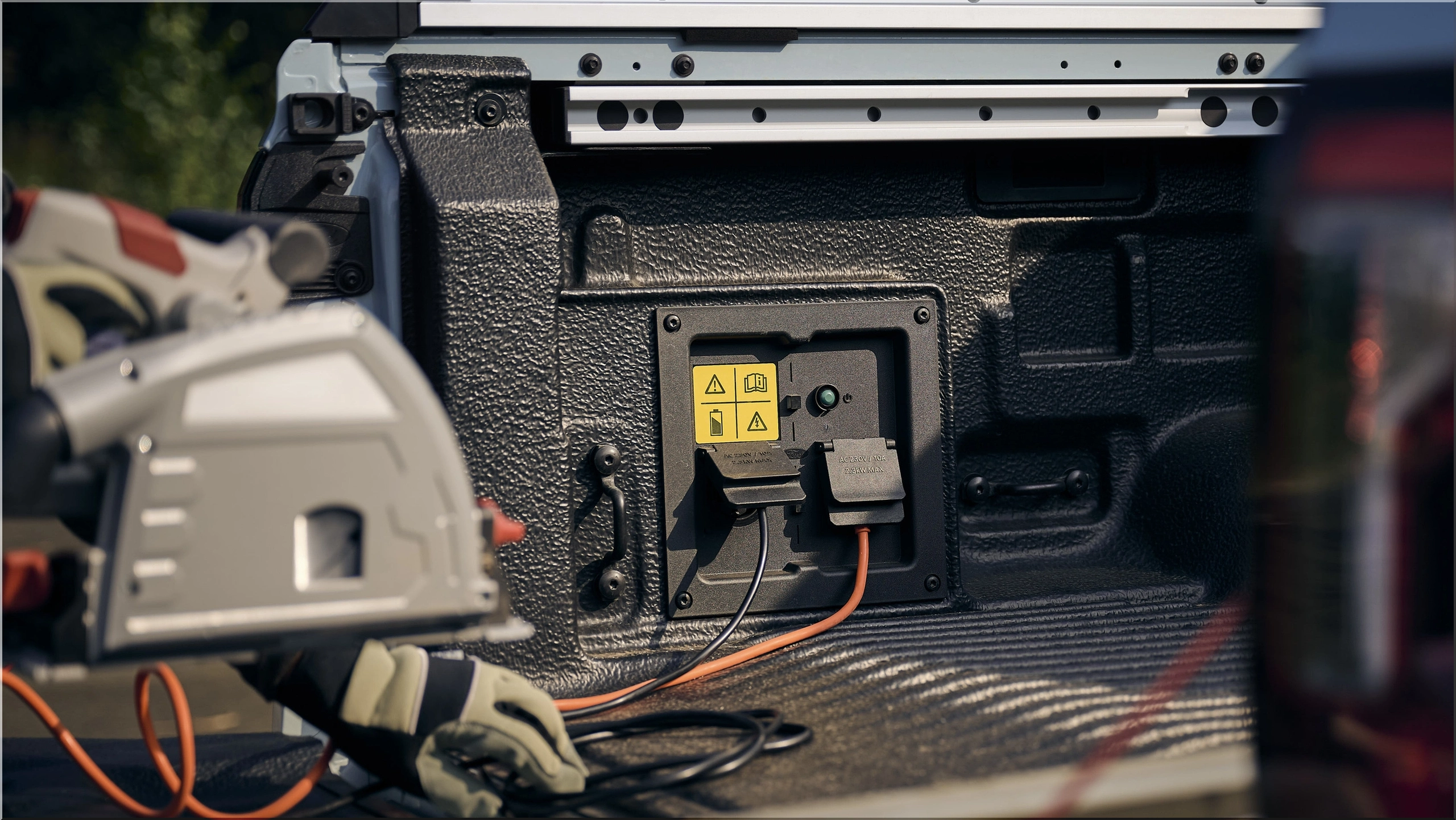
- Pro Power Onboard – Provides 6.9 kW of exportable power, allowing users to run tools, lights, or even appliances directly from the vehicle.
- Eco-Friendly Performance – While retaining its off-road prowess and towing capacity, the hybrid system aims to cut emissions significantly.
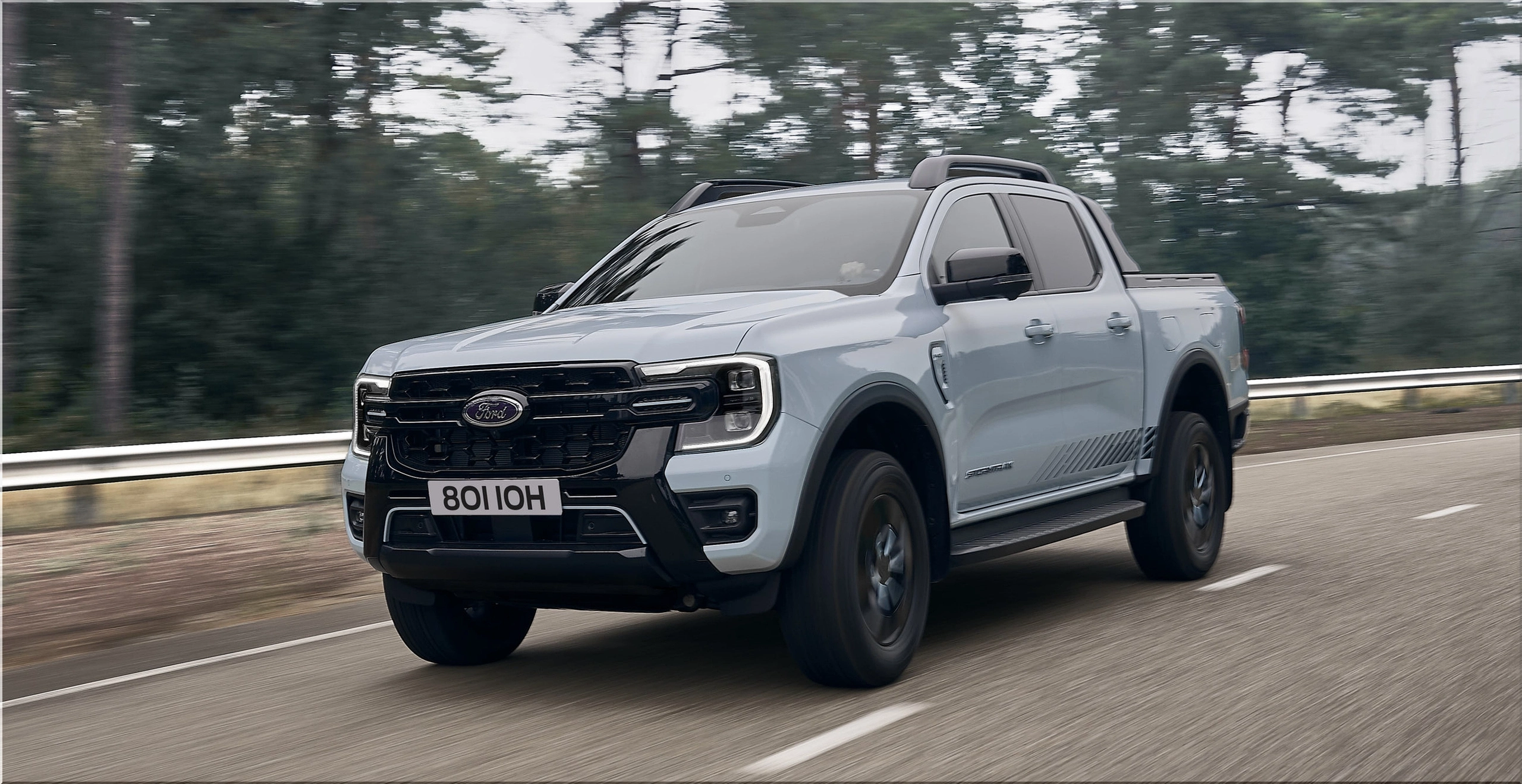
The Ranger PHEV will be produced in Silverton, South Africa, with the first European deliveries expected in spring 2025. Ford’s investment in hybrid technology ensures that the Ranger remains a future-proof option for both businesses and individuals looking to reduce their carbon footprint without sacrificing capability.
Conclusion
The Ford Ranger has dominated Europe’s pickup market for a decade because it consistently delivers power, versatility, and advanced features that drivers and businesses need. With a market share of 43.6% in 2024, it remains the top choice in a highly competitive segment.
The upcoming Ranger Plug-in Hybrid (PHEV) marks the next phase in the Ranger’s evolution, ensuring it stays ahead in a market shifting toward sustainability. By combining class-leading towing capacity, cutting-edge technology, and hybrid efficiency, Ford is securing the Ranger’s position as Europe’s most trusted pickup for years to come.
- Add new comment
- 17 views